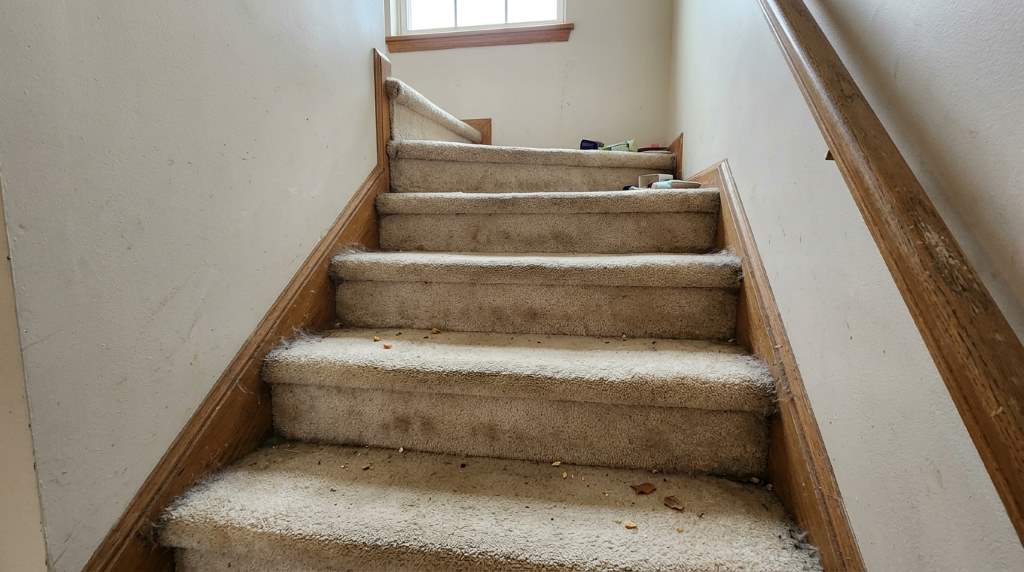
Chicago townhomes often feature narrow staircases that receive heavy daily use. Residents move between floors several times each day. As a result, dirt collects faster than many owners expect. According to housing and cleaning industry reports, stair surfaces can hold far more dust than nearby flat flooring. Therefore, homeowners need better cleaning strategies to maintain appearance and safety. Many residents also search for the best vacuum for narrow spaces because standard tools often struggle in tight stair areas.
The Unique Stair Cleaning Challenge in Chicago Townhomes
Chicago experiences snowy winters, wet springs, and windy conditions throughout much of the year. Consequently, residents track salt, moisture, and debris onto stairways. These materials settle into corners and along stair edges. Over time, buildup becomes harder to remove. Therefore, cleaning methods must address local environmental conditions.
Townhomes often maximize living space through vertical layouts. As a result, staircases become high traffic zones. Family members, guests, and pets use them constantly. Furthermore, delivery activity has increased in recent years. This constant movement accelerates dirt accumulation.
Many staircases include wood, carpet, vinyl, or metal features. Each surface responds differently to moisture and cleaning products. Therefore, a single cleaning method rarely works everywhere. Owners must choose techniques that match specific materials. This approach improves results while reducing wear.
Why Traditional Stair Cleaning Falls Short
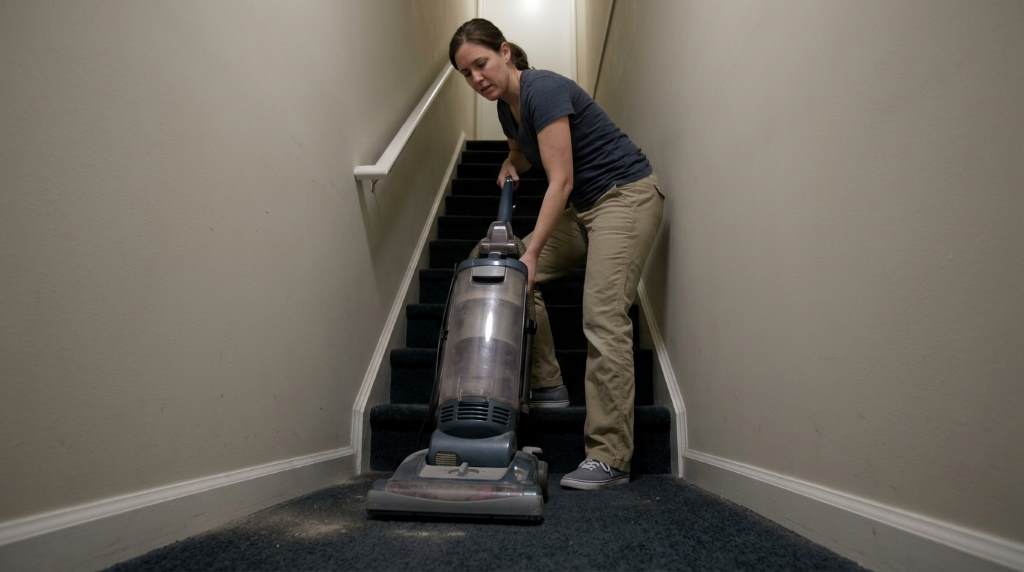
Many homeowners rely on basic sweeping alone. However, sweeping often pushes fine dust into corners. Small particles remain trapped along risers and edges. As a result, stairs still appear dirty after cleaning. Better methods target hidden debris more effectively.
Standard upright vacuums can also create challenges. They are often bulky and difficult to maneuver. Consequently, users skip hard to reach areas. Dirt remains behind even after a cleaning session. Therefore, specialized tools provide better performance.
Moisture presents another issue. Excess water can damage wood and weaken certain stair materials. Homeowners sometimes overuse wet mops. As a result, surfaces may deteriorate faster. Proper moisture control is essential for long term maintenance.
How Chicago Weather Impacts Stair Cleanliness
Winter Salt and Ice Residue
Winter creates one of the largest cleaning challenges. Road salt enters homes on shoes and boots. Then it settles onto stair surfaces and edges. Over time, residue can stain materials. Therefore, regular removal is important.
Salt particles are often abrasive. Consequently, they can scratch protective finishes. This issue becomes more noticeable on wood stairs. Homeowners who understand four finishes that can be applied to steel often recognize how protective coatings matter across many surfaces. Similar protection principles apply to stair maintenance.
Spring Moisture and Mud
Spring weather brings rain and muddy conditions. Therefore, dirt enters homes more frequently. Stair corners trap moisture and debris easily. As a result, stains can develop. Consistent cleaning prevents long term buildup.
Summer Dust Movement
Summer often means open windows and increased airflow. Consequently, airborne particles circulate through homes. Stairways act as natural collection points. Dust settles on steps, railings, and corners. Therefore, homeowners need frequent maintenance.
The Hidden Safety Risks of Dirty Stairs
Many people focus only on appearance. However, safety deserves equal attention. Dust and debris reduce traction on stair surfaces. Consequently, slips become more likely. Regular cleaning helps lower accident risks.
Salt residue can also affect footing. Small particles create unstable walking conditions. Furthermore, moisture mixed with dirt creates additional hazards. Families with children and older adults face greater risks. Therefore, prevention is important.
Pet hair creates another overlooked issue. Hair often gathers along stair edges. As a result, surfaces become slippery. Frequent vacuuming helps maintain safer conditions. This simple habit can reduce household accidents.
An Overlooked Problem: Stair Edge Contamination
Many cleaning guides focus on stair treads. However, stair edges deserve equal attention. Dust, fibers, and debris accumulate where tread surfaces meet risers. These areas often remain untouched. Consequently, buildup continues growing.
This issue becomes especially noticeable in townhomes with carpeted stairs. Fine particles migrate toward edges over time. Then they settle deep into fibers. Standard cleaning methods rarely remove them completely. Therefore, targeted tools work better.
Few blogs discuss edge contamination in detail. Yet cleaning professionals frequently encounter this problem. Proper attachment tools help remove trapped material. As a result, stairs stay cleaner for longer periods. This often improves indoor air quality as well.
Better Stair Cleaning Methods for Townhomes
Use Specialized Vacuum Attachments
Crevice tools reach narrow gaps effectively. Therefore, they remove debris from corners and edges. Upholstery attachments also work well on carpeted stairs. Together, these tools improve cleaning coverage. Results become more consistent.
Clean From Top to Bottom
Always start at the highest step. Then move downward systematically. This method prevents debris from falling onto cleaned areas. Consequently, cleaning becomes more efficient. It also saves time.
Focus on High Contact Areas
Most people use the center portion of each step. Therefore, wear patterns develop quickly. Dirt also concentrates in these locations. Extra attention helps preserve appearance. Furthermore, it extends material life.
Control Moisture Carefully
Use minimal water during cleaning. Excess moisture may damage certain surfaces. Instead, choose slightly damp microfiber materials. This approach removes dirt effectively. At the same time, it protects finishes.
Material Specific Cleaning Considerations
Wood stairs require gentle products and controlled moisture. Harsh chemicals can damage protective coatings. Therefore, homeowners should follow manufacturer recommendations. Regular dust removal also reduces scratching. Proper care extends lifespan.
Carpeted stairs benefit from frequent vacuuming. Dirt settles deep within fibers. Consequently, occasional deep cleaning becomes necessary. Consistent maintenance prevents premature wear. It also supports cleaner indoor air.
Tile and vinyl stairs handle moisture differently. However, grime still gathers along grout lines and edges. Therefore, detail cleaning remains important. Homeowners should address buildup promptly. This prevents discoloration.
How Stair Cleaning Supports Overall Home Maintenance
Clean stairs contribute to a healthier indoor environment. Dust often travels between floors through daily movement. Consequently, neglected stairways affect nearby rooms. Consistent cleaning limits this spread. Therefore, the entire home benefits.
Maintenance habits often overlap between different areas. For example, homeowners who practice bathroom maintenance to keep your bathroom looking good typically understand the value of routine care. The same principle applies to stairways. Small efforts prevent larger problems. Long term costs often decrease.
Flooring choices also influence stair maintenance needs. Homeowners researching what type of kitchen flooring is best frequently compare durability and cleaning requirements. Similar evaluations help when maintaining stair materials. Understanding surfaces improves cleaning decisions. Therefore, results become more effective.
Recommended Stair Cleaning Routine
- Vacuum stair surfaces two to three times weekly.
- Clean edges and corners with crevice tools weekly.
- Wipe railings and high touch areas weekly.
- Address salt and mud immediately after storms.
- Perform deeper cleaning monthly.
- Inspect surfaces for wear every season.
This routine balances effectiveness and practicality. Furthermore, it fits most busy households. Consistency matters more than occasional intensive cleaning. Therefore, small regular efforts often produce better results. Homes stay cleaner throughout the year.
Signs Your Current Method Needs Improvement
If stairs look dusty soon after cleaning, methods may need adjustment. Debris could remain in hidden areas. Consequently, dirt returns quickly. Better tools often solve this problem. Results become longer lasting.
Visible buildup along edges also indicates incomplete cleaning. Likewise, recurring stains suggest deeper contamination. Homeowners should evaluate both technique and equipment. Therefore, improvements can target the actual cause. Efficiency increases significantly.
Persistent odors sometimes originate from carpeted stairs. Dust, moisture, and pet hair contribute to the issue. Consequently, deeper cleaning becomes necessary. Addressing the source improves freshness. Indoor comfort also increases.
Conclusion
Chicago townhomes face unique stair cleaning challenges because of weather, traffic, and compact layouts. Therefore, basic cleaning methods often fail to deliver lasting results. Better tools, targeted techniques, and consistent routines produce cleaner and safer stairways. Furthermore, attention to stair edges and hidden areas improves overall home hygiene. If your stairs collect dirt quickly, now is the time to upgrade your cleaning approach and create a healthier living environment.
FAQs
How often should Chicago townhome stairs be cleaned?
Most stairs benefit from vacuuming at least two to three times each week.
Why do stair edges collect more dirt?
Dust and debris naturally migrate toward edges where standard cleaning tools often miss them.
Does winter salt damage stair surfaces?
Yes, salt residue can scratch finishes and leave stains if not removed promptly.
Are microfiber tools effective for stairs?
Yes, microfiber materials capture dust efficiently while using minimal moisture.
What is the biggest stair cleaning mistake?
Many homeowners ignore corners and edges where hidden debris accumulates most heavily.