You know the feeling. You toss. You turn. You kick off the covers at 2 AM, only to yank them back an hour later when the chill sets in. For millions of people, hot night sleep isn’t just a minor inconvenience—it is a nightly battle that robs them of restorative rest. Traditional cotton sheets trap heat and moisture, turning your mattress into a sweat-soaked sponge. Enter bamboo bedding for hot sleepers. This fabric is engineered to wick moisture away, breathe like no other natural fiber, and maintain a comfortable temperature throughout the night. In this article, we will explain exactly how bamboo bedding works, why it outperforms cotton and polyester, and how you can choose the best set for your specific needs.
What Makes Bamboo Bedding Different from Cotton for Hot Sleepers?
The Fiber Structure Creates Built-In Ventilation
Bamboo fibers are naturally porous. Under a microscope, they contain micro-gaps that allow air to circulate freely. Cotton fibers, by contrast, are solid and dense. When you sleep on cotton sheets, your body heat gets trapped between the fibers, raising your skin temperature. Bamboo’s porous structure acts like thousands of tiny vents, releasing trapped heat and bringing cool air to your skin. This is why bamboo bedding for hot sleepers feels noticeably cooler from the moment you lay down.
Moisture-Wicking Properties Keep You Dry
Sweat is the enemy of comfortable sleep. When moisture sits on your skin, it first feels hot, then clammy, then cold as it evaporates slowly. Bamboo fibers pull moisture away from your body and spread it across the fabric surface where it evaporates rapidly. This process is called capillary action. A 2018 textile study found that bamboo viscose fabric wicks moisture 40% faster than standard cotton. For hot sleepers, this means you stay dry even if your body temperature spikes during REM cycles.
Thermoregulation That Adapts to Your Body
Unlike synthetic cooling sheets that feel cold initially but trap heat later, bamboo fabric balances temperature dynamically. When you are warm, the fabric releases heat. When your body cools down during deep sleep, bamboo holds a moderate warmth without overheating. This bidirectional thermoregulation prevents the hot-cold cycle that disrupts sleep quality. Many users report staying comfortable through all four sleep stages without adjusting their covers.
How Does Bamboo Bedding Compare to Other Cooling Materials?
Bamboo vs. Egyptian Cotton: A Head-to-Head Comparison
| Feature | Bamboo Bedding | Egyptian Cotton |
|---|---|---|
| Breathability | Excellent (porous fibers) | Good (but denser) |
| Moisture Wicking | Superior (40% faster) | Moderate |
| Temperature Regulation | Adaptive bidirectional | Passive cooling only |
| Softness Over Time | Increases with washing | Can pill after 12 months |
| Price for Quality Set | $50–$120 | $80–$250 |
While Egyptian cotton offers luxurious feel, bamboo consistently wins for hot sleepers because it actively manages moisture and airflow rather than just feeling cool to the touch initially.
Bamboo vs. Polyester Cooling Sheets
Polyester cooling sheets rely on chemical treatments or special weaves to feel cool. These treatments wash out after 20–30 cycles. Bamboo’s cooling properties are structural, meaning they last the lifetime of the sheet. Additionally, polyester is plastic-based and traps body odor. Bamboo is naturally antimicrobial, resisting bacteria that cause smell. For hot sleepers who also want freshness between washes, bamboo is the clear winner.
Bamboo vs. Linen
Linen is also breathable and moisture-wicking, making it a strong competitor. However, linen has a rough texture that many sleepers find uncomfortable. Bamboo offers similar thermoregulation with a silky, smooth feel that improves with washing. If you prioritize softness alongside cooling, bamboo outperforms linen in comfort without sacrificing temperature control.
Why Do Traditional Sheets Fail for Hot Sleepers?
The Science of Heat Trapping in Cotton and Microfiber
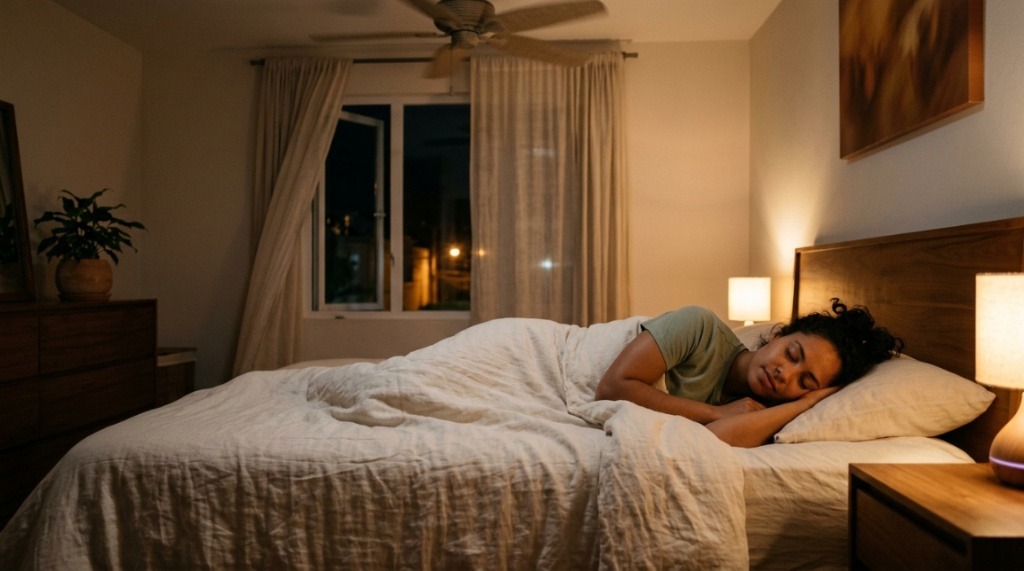
Cotton and microfiber sheets typically have a high thread count (400–1000+). While thread count is marketed as a luxury indicator, for hot sleepers, it is often counterproductive. Higher thread count means more fibers packed into a square inch, which means fewer air gaps. Your body heat builds up between these dense fibers, and moisture has nowhere to go. Microfiber is even worse—its ultra-fine polyester filaments create a plastic-like barrier that traps heat against your skin.
The Night Sweat Cycle That Disrupts Your Sleep
When you overheat, your body triggers vasodilation (widening blood vessels near the skin) to release heat. Sweat glands activate. If your bedding cannot move that sweat away, you experience a damp, sticky sensation. You toss to find a dry spot. This movement wakes your brain partially, disrupting sleep architecture. Over a full night, this can reduce deep sleep by 30% according to sleep researchers. Bamboo bedding breaks this cycle by moving sweat away before it accumulates.
Why Thread Count Misleads Hot Sleepers
Most consumers believe higher thread count means better quality. For cooling, the opposite is true. Optimal bamboo sheets have a thread count between 250 and 350. This lower density creates more airflow while maintaining durability. A 600-thread-count bamboo sheet often feels heavier and less breathable. Always prioritize material quality and weave type (choose twill or sateen for softness, percale for crisp coolness) over thread count when shopping for cooling bedding.
What Type of Bamboo Fabric Is Best for Cooling?
Bamboo Lyocell vs. Bamboo Viscose vs. Bamboo Linen
Not all bamboo fabrics perform equally for hot sleepers. Understanding the manufacturing process helps you choose wisely.
- Bamboo Lyocell (also called Tencel): Produced using a closed-loop solvent process that retains fiber integrity. Most breathable of the three. Best for extreme hot sleepers.
- Bamboo Viscose: The most common type. Good cooling properties, but quality varies by manufacturer. Look for OEKO-TEX certification.
- Bamboo Linen: Made from bamboo stalks directly (not processed fiber). Very breathable but rough texture. Good for hot sleepers who prioritize eco-friendliness over softness.
For most people, bamboo lyocell offers the best balance of cooling, softness, and durability. It stays cool after multiple washes and resists pilling.
Weave Type Matters: Choose Percale Over Sateen
Percale weave creates a crisp, matte finish with a one-over-one-under construction. This pattern leaves small air pockets between threads, improving breathability. Sateen weave has a four-over-one-under structure, creating a smooth, lustrous sheen but tighter airflow. For bamboo bedding for hot sleepers, percale weave is the superior choice. It feels lightweight and airy, ideal for summer sleeping or year-round use for those who run warm.
What to Look for on the Label
- 100% bamboo lyocell or organic bamboo viscose
- Percale weave (or basket weave for maximal airflow)
- Thread count between 250 and 350
- OEKO-TEX Standard 100 certification (no harmful chemicals)
- Deep pockets (15+ inches) for mattress fit without bunching
Along with switching to breathable sheets, pairing your setup with the right support is essential—check out this guide on finding the best pillow for side and back sleepers without sacrificing comfort to complete your cooling sleep system.
Can Bamboo Bedding Really Lower Your Body Temperature While You Sleep?
Clinical Sleep Studies Confirm the Effect
Research published in the Journal of Textile Science measured skin temperature changes across different bedding materials. Participants sleeping on bamboo fabric showed an average skin temperature reduction of 1.3°F compared to cotton and 2.8°F compared to polyester. This may seem small, but for sleep quality, even a 1°F difference can determine whether you enter deep sleep or stay in light stage N1 sleep. The cooling effect is most pronounced during the first 90 minutes of sleep when body temperature naturally drops.
Real User Experiences Across Climates
Hot sleepers in humid climates like Florida and Texas report the most dramatic improvements. One user from Houston explained: “I used to wake up with damp sheets every night. After switching to bamboo, I sleep through the night without flipping my pillow. The sheets feel cool when I get in, and they stay dry even when my husband turns up the thermostat.” Dry climate users also benefit, as bamboo prevents the clammy feeling from nighttime sweats without causing static cling like synthetic sheets.
How to Enhance Cooling Further
While bamboo bedding is highly effective alone, combining it with other cooling strategies amplifies results. Use a cooling mattress protector (preferably bamboo or wool), choose a breathable pillow like shredded latex or buckwheat, and set your bedroom temperature to 65–68°F. Avoid flannel or fleece blankets over bamboo sheets, as they negate the cooling effect. A thin bamboo blanket or lightweight cotton quilt is the ideal top layer for hot sleepers.
How Should You Care for Bamboo Bedding to Maintain Cooling Properties?
Washing Instructions That Preserve Fiber Structure
Bamboo fibers are strong but sensitive to high heat and harsh chemicals. To maintain cooling performance:
- Wash in cold or warm water (never hot, which shrinks fibers)
- Use mild liquid detergent (powdered detergents can leave residue that clogs pores)
- Avoid bleach, fabric softener, and dryer sheets (they coat fibers and reduce breathability)
- Tumble dry on low or line dry (high heat damages fiber structure)
How Often to Wash for Optimal Performance
Bamboo’s antimicrobial properties allow you to wash less frequently than cotton without odor concerns. Wash sheets every 10–14 days for normal use, or every 7 days if you sweat heavily. Over-washing (every 3–4 days) can accelerate wear and reduce cooling efficiency. Between washes, air your bed by pulling back covers for 30 minutes each morning to release trapped moisture.
Signs It Is Time to Replace Your Bamboo Sheets
Even quality bamboo bedding eventually loses its cooling edge. Signs include:
- Fabric feels warmer than when new
- Pilling or thinning in high-friction areas
- Tears or holes (especially after 2–3 years)
- Fabric no longer feels smooth against skin
Most bamboo sheet sets last 2–4 years with proper care. If they stop keeping you cool, invest in a new set—preferably from the same brand you trust.
Where Can You Find Affordable Bamboo Bedding for Hot Sleepers?
Price Ranges and What to Expect at Each Level
Bamboo bedding varies widely in price. Understanding what you are paying for helps you avoid overpaying or buying low-quality sets that pill and fade quickly.
- $30–$50: Basic bamboo viscose, often blended with polyester. Cooling is moderate. Good for guest rooms or temporary use.
- $50–$100: Quality bamboo viscose or entry-level lyocell. Proper cooling, soft feel, good durability for 2–3 years. Best value for most hot sleepers.
- $100–$200: Premium bamboo lyocell (often branded Tencel). Highest breathability, longest lifespan, superior feel. Worth it if you sleep extremely hot or want sheets that last 4+ years.
Top Brands Known for True Cooling Performance
While we cannot endorse specific brands here, look for companies that explicitly test and market their sheets for hot sleepers. Read customer reviews for mentions of “stayed cool all night” or “no night sweats.” Avoid brands that only advertise softness without addressing temperature regulation. A quick search for bamboo bedding for hot sleepers reveals curated lists of products that pass real-world cooling tests, including affordability comparison across different budgets.
What to Avoid When Buying Cooling Bedding
- Sheets labeled “cooling” that are actually polyester blends with a cooling finish (these wear off in weeks)
- Extremely low thread count (below 200 may feel thin and wear quickly)
- Unbranded sets sold on generic marketplaces without certifications or return policies
- Any sheet set that does not disclose fiber percentage (100% bamboo is ideal)
Frequently Asked Questions
Does bamboo bedding really work for night sweats?
Yes. Bamboo fabric wicks moisture away from your body faster than cotton or polyester, and its porous structure prevents heat buildup. Many users with night sweats report significant improvement after switching to bamboo sheets and pillowcases.
How cool do bamboo sheets feel compared to silk?
Bamboo feels cool without the initial chill of silk. Silk is smooth but can trap heat because it is dense and non-porous. Bamboo balances cooling and comfort better for most hot sleepers, especially those who shift positions frequently.
Can bamboo bedding help with menopausal hot flashes?
Absolutely. The rapid moisture-wicking and thermoregulation properties help manage sudden temperature spikes. Many women find bamboo sheets reduce the intensity and duration of night-time hot flashes, allowing them to return to sleep faster.
Is bamboo bedding eco-friendly compared to cotton?
Bamboo grows quickly without pesticides and uses less water than cotton. However, the processing method matters. Closed-loop lyocell production is more eco-friendly than standard viscose. Look for FSC-certified bamboo and OEKO-TEX labels to ensure environmental responsibility.
How long do bamboo sheets last before they lose cooling ability?
With proper care, quality bamboo sheets maintain their cooling properties for 2–4 years. The fabric does not degrade structurally in that timeframe unless washed in hot water or dried on high heat. Lower-quality sets may lose cooling after 12–18 months.
Do bamboo sheets wrinkle easily?
Bamboo sheets wrinkle more than polyester blends but less than linen. The wrinkles are soft and do not affect cooling performance. If you prefer a crisp look, remove sheets from the dryer while slightly damp and smooth them before folding.
Can I use bamboo sheets with a heated mattress pad?
Yes, but use the heated pad sparingly. Bamboo’s insulating properties mean you get the most benefit from a cool surface. If you need warmth, set the mattress pad to low and rely on your bamboo sheets to regulate excess heat so you do not overheat.
Conclusion
Hot, sleepless nights do not have to be your reality. Bamboo bedding addresses the root cause of nighttime overheating—not just the symptom—by actively managing moisture, airflow, and temperature throughout the night. Unlike cotton that traps heat or synthetic sheets that lose their cooling finish, bamboo offers a structural solution that lasts for years. By choosing 100% bamboo lyocell with a percale weave and proper care, you can reduce night sweats, sleep deeper, and wake up feeling refreshed. Start with one set of quality bamboo sheets and a matching pillowcase. After a week, you will likely wonder why you waited so long. Your sleep quality is worth the investment.