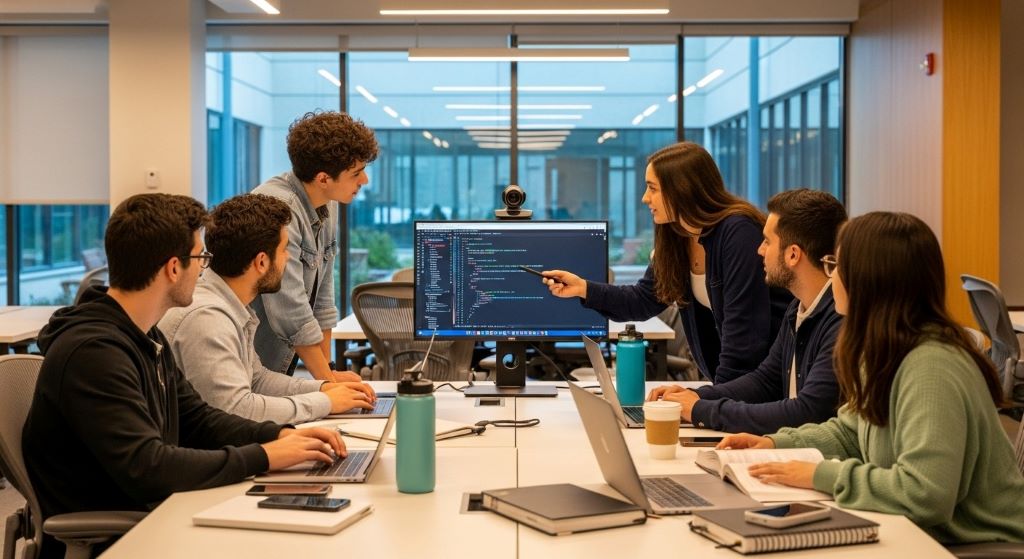
Computer science education has become a cornerstone of modern learning. Schools worldwide are integrating coding and technology skills into their curricula. However, measuring the lasting effects of these programs remains a challenge for educators and policymakers alike.
Understanding how to assess computational education’s long-term impact helps institutions make informed decisions. Additionally, it ensures students receive the best possible preparation for future careers. This guide explores practical methods for evaluating these outcomes effectively.
Why Long-Term Assessment Matters
Short-term test scores tell only part of the story. Students may perform well on immediate assessments but struggle to apply skills years later. Therefore, educators need comprehensive evaluation strategies that track progress over extended periods.
Long-term assessment reveals whether students retain computational thinking skills. It also shows how these abilities translate into real-world applications. Moreover, this data helps schools refine their teaching methods and curriculum design.
Tracking Career Outcomes and Professional Success
One effective measurement approach involves monitoring students’ career trajectories. Schools can survey graduates five to ten years after program completion. These surveys should ask about job placement, salary ranges, and technology use in daily work.
Furthermore, tracking which industries hire former students provides valuable insights. High placement rates in tech sectors indicate strong program effectiveness. However, success shouldn’t be limited to traditional programming roles alone.
Many students apply computational skills in non-tech fields. Healthcare professionals use data analysis for patient care. Business analysts rely on programming for market research. Therefore, broad career tracking captures the full impact spectrum.
Measuring Problem-Solving Abilities Over Time
Computational education develops critical thinking beyond coding syntax. Long-term evaluations should assess how students approach complex problems. Longitudinal studies following the same cohort reveal skill retention and growth.
Researchers can design periodic assessments using real-world scenarios. These tests measure algorithmic thinking without requiring specific programming languages. Consequently, evaluations remain relevant regardless of technology changes.
Problem-solving assessments should increase in complexity over time. Early evaluations might test basic logic structures. Later assessments could involve multi-step processes requiring creative solutions. This progression shows whether students build upon foundational knowledge.
Analyzing Academic Performance in Related Fields
Computer science education often enhances performance in other subjects. Mathematics scores typically improve among students with coding experience. Science comprehension increases as students learn to model natural phenomena.
Schools should compare long-term academic trajectories between groups. Students with computational education can be matched against similar peers without it. This comparison reveals broader educational benefits beyond technical skills.
Additionally, college enrollment and completion rates provide meaningful data. Higher education success indicates strong foundational learning. Graduate school acceptance in STEM fields further validates program effectiveness.
Gathering Qualitative Feedback Through Interviews
Numbers alone cannot capture the full picture of educational impact. Personal stories from former students reveal unexpected benefits and challenges. Therefore, structured interviews complement quantitative research methods.
Interview questions should explore confidence levels when facing technical problems. They can investigate how frequently graduates use computational thinking in daily life. Moreover, discussions about career decisions often reveal educational influence.
Focus groups bring together diverse perspectives from different cohorts. Participants share experiences that might not emerge in individual interviews. These sessions often identify common themes across graduating classes.
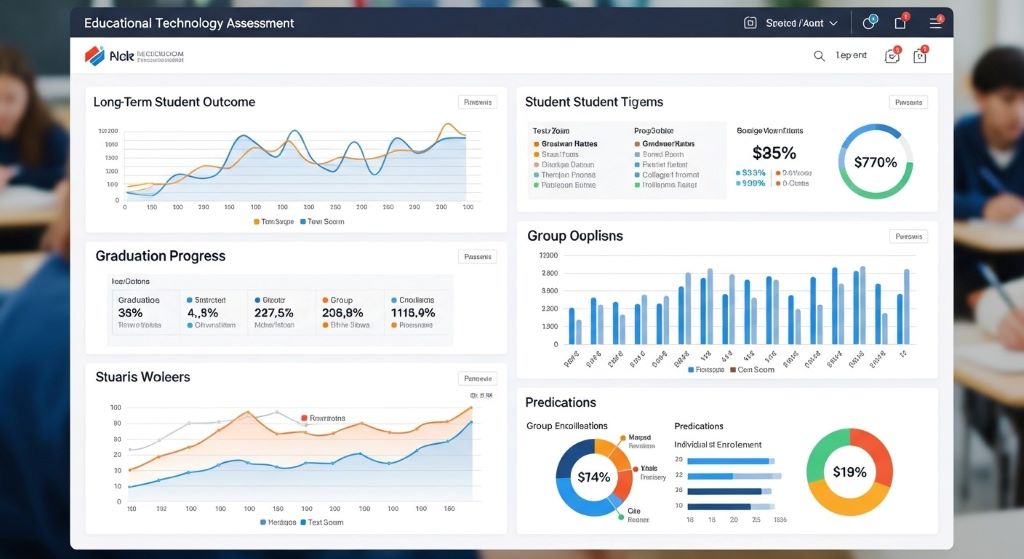
Examining Social and Economic Mobility
Computational education can significantly affect students’ economic prospects. Tracking income progression over decades shows financial impact. Comparisons should account for socioeconomic starting points to ensure fair analysis.
Social mobility indicators extend beyond income alone. Homeownership rates, geographic mobility, and family educational attainment matter too. These factors collectively demonstrate how education transforms lives.
Programs serving underrepresented communities deserve special attention in this area. According to research from Education Week, computer science education access remains unequal across different demographic groups. Therefore, measuring mobility helps identify which programs effectively bridge opportunity gaps.
Assessing Adaptability to Technological Change
Technology evolves rapidly, making specific skills obsolete within years. However, computational thinking provides lasting adaptability. Long-term evaluations should measure how well graduates learn new technologies.
Surveys can ask how many programming languages or tools individuals have mastered. High numbers suggest strong foundational learning that enables continuous skill acquisition. Furthermore, career transitions into emerging fields indicate successful adaptation.
Professional development participation offers another measurement angle. Graduates who regularly update skills demonstrate sustained engagement with technology. This ongoing learning reflects the lasting impact of early computational education.
Evaluating Collaboration and Communication Skills
Modern technology work requires strong teamwork abilities. Computer science education increasingly emphasizes collaborative projects. Therefore, long-term assessment should examine interpersonal skill development.
Former students can rate their collaboration confidence in professional settings. Employers can provide feedback about teamwork capabilities among program graduates. These perspectives reveal whether educational methods translate into workplace success.
Communication skills particularly matter in technical fields. The ability to explain complex concepts to non-technical audiences proves invaluable. Thus, evaluations should include questions about presentation skills and cross-functional collaboration.
Using Control Groups for Comparative Analysis
Scientific rigor demands proper comparison frameworks. Schools should identify similar students who didn’t receive computational education. Tracking both groups over time reveals program-specific impacts.
However, ethical considerations sometimes limit control group creation. Random assignment may not be feasible in educational settings. Therefore, researchers often use statistical matching techniques instead.
Matched comparison groups should share demographic characteristics and baseline academic performance. This approach isolates the educational intervention’s effects from other factors. Consequently, findings become more reliable and actionable.
Implementing Longitudinal Data Collection Systems
Effective long-term evaluation requires systematic data infrastructure. Schools need databases that track students across decades. Additionally, these systems must protect privacy while enabling meaningful analysis.
Alumni engagement programs facilitate ongoing data collection. Regular newsletters, reunion events, and online communities maintain connections. These touchpoints provide natural opportunities for survey distribution and feedback gathering.
Technology platforms can automate much of this process. Cloud-based systems allow secure data storage and analysis. Moreover, they enable collaboration between multiple institutions studying similar questions.
Considering Broader Societal Contributions
Individual success metrics matter, but societal impact deserves attention too. Computer science graduates often contribute to technological innovation and civic engagement. Therefore, evaluations should track community involvement and entrepreneurship.
Patent filings, startup creation, and open-source contributions indicate innovation capacity. Volunteer technology work for nonprofits demonstrates civic responsibility. These activities reflect how education shapes broader contributions beyond personal career advancement.
According to insights from The Brookings Institution, comprehensive computer science education benefits entire communities by building technical capacity. Tracking these wider impacts validates investment in computational education programs.
Addressing Evaluation Challenges and Limitations
Long-term impact assessment faces inherent difficulties. Student mobility makes tracking difficult over extended periods. Additionally, multiple factors influence career outcomes beyond any single educational program.
Budget constraints often limit evaluation scope and duration. Schools must balance comprehensive assessment with practical resource availability. Therefore, strategic planning helps maximize research value within existing limitations.
External factors like economic recessions affect career outcomes independently of education quality. Evaluators must acknowledge these confounding variables in their analyses. Transparent reporting of limitations strengthens overall research credibility.
Conclusion
Evaluating the long-term impact of computational education requires multifaceted approaches. Career tracking, academic performance analysis, and qualitative feedback all contribute valuable insights. Furthermore, measuring adaptability, social mobility, and societal contributions provides comprehensive understanding.
Schools must invest in systematic data collection infrastructure for meaningful assessment. However, they should also recognize inherent evaluation challenges and resource constraints. By combining quantitative metrics with personal stories, institutions can accurately gauge program effectiveness.
Ultimately, robust long-term evaluation ensures computational education delivers lasting benefits. It helps educators refine teaching methods and validates investment in technology programs. Moreover, it demonstrates how early exposure to computational thinking shapes successful, adaptable graduates.
Frequently Asked Questions
How long should schools track students to measure long-term impact?
Ideally, tracking should continue for at least 10 years after program completion. This timeframe captures career establishment and skill application. However, even 5-year follow-ups provide valuable preliminary insights.
What metrics matter most when evaluating computational education programs?
Career placement in technology-related fields, problem-solving skill retention, and continued learning engagement rank among the most important. Additionally, income progression and academic success in related fields provide meaningful indicators.
Can schools with limited budgets still conduct long-term evaluations?
Yes, by focusing on alumni surveys and leveraging free online platforms for data collection. Partnerships with universities or research organizations can also provide additional resources and expertise.
How do you account for students who leave the technology field?
Evaluate whether they apply computational thinking in their chosen careers. Many graduates use these skills in non-technical roles, which still demonstrates program value and transferable learning.
Should evaluation focus only on students pursuing computer science careers?
No, computational education benefits students across all career paths. Problem-solving abilities, logical thinking, and adaptability serve professionals in medicine, business, education, and countless other fields.
Related Topics:
Structured Routines at Home: Supporting Special Education Needs
Creating a Stimulating Environment: Designing the Perfect Study Nook for Gifted Learners