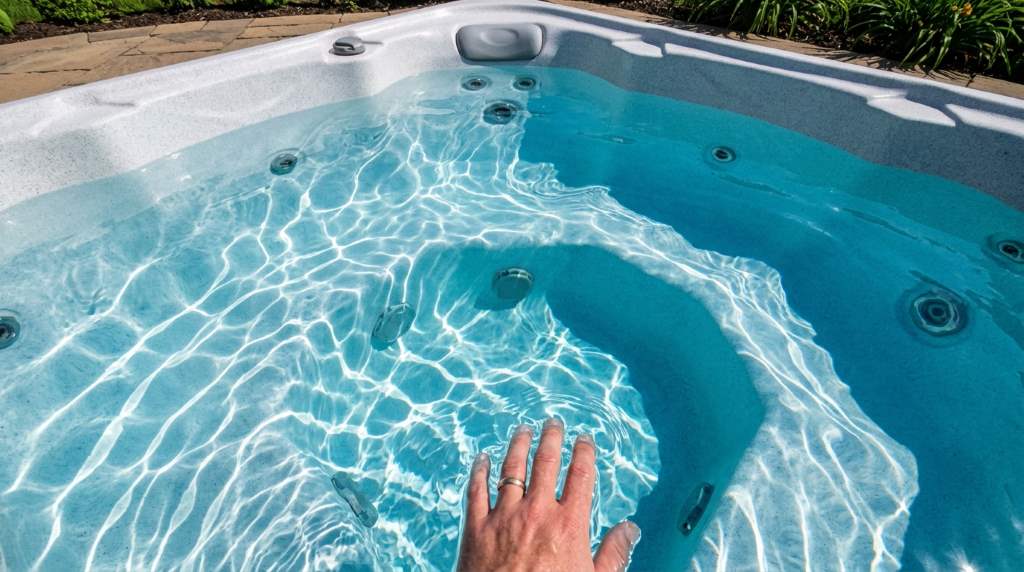
Most spa owners drain and refill their hot tub every two to three months. However, with the right routine, you can safely stretch that cycle to four months or longer. Studies show that improper water care costs spa owners an average of $200 to $400 annually in wasted chemicals and premature drains. Learning how to extend spa water life saves money, conserves water, and protects your equipment. This guide covers every practical step to keep your water balanced, clean, and safe for longer. We suggest visiting the laser hair removal in midtown Manhattan.
Why Spa Water Breaks Down Faster Than You Think
Spa water faces constant stress from multiple directions. Body oils, lotions, sweat, and debris enter the water with every soak. Unlike pools, spas hold a small water volume at high temperatures. That combination accelerates chemical consumption and contamination. Visit the best anti aging facial in midtown Manhattan to get the best care for anti aging.
Heat speeds up every chemical reaction in the water. Sanitizers burn off faster, pH swings more wildly, and organic waste breaks down into harder-to-remove compounds. Additionally, jets and aeration introduce oxygen rapidly, which further destabilizes your water balance. Understanding these factors helps you fight them more effectively.
Test Your Water Consistently
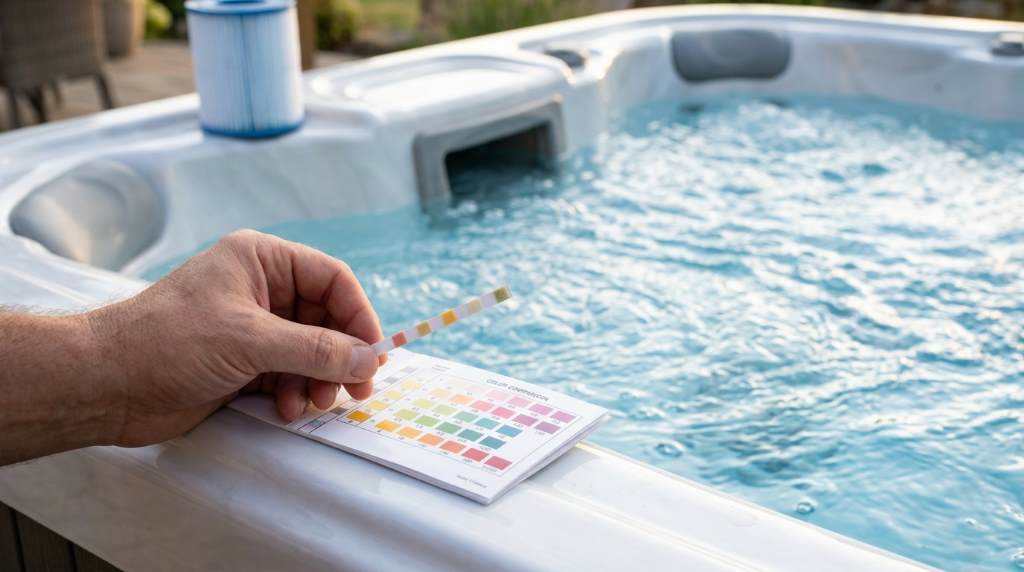
Test at Least Twice Per Week
Testing is the foundation of long-lasting spa water. You cannot fix what you do not measure. Use a reliable test strip or liquid test kit every two to three days.
Check these levels every time you test:
- Free chlorine or bromine: 3-5 ppm (chlorine) or 3-5 ppm (bromine)
- pH: 7.4 to 7.6
- Total alkalinity: 80 to 120 ppm
- Calcium hardness: 150 to 250 ppm
- Cyanuric acid (if using chlorine outdoors): 30 to 50 ppm
Catching imbalances early prevents compound problems that force early draining. Consistent testing also means you use fewer chemicals overall.
Use a Digital Tester for Accuracy
Digital testers give more reliable readings than color-match strips. They remove guesswork from the process. Invest in a quality digital tester and calibrate it monthly for best results.
Maintain Proper Sanitizer Levels Daily
Choose the Right Sanitizer for Your Spa
Chlorine and bromine both work well in spas. Bromine performs more stably at high temperatures. Chlorine, on the other hand, dissipates faster but is easier to adjust quickly.
Regardless of your choice, maintain consistent sanitizer levels. Low sanitizer allows bacteria and algae to multiply rapidly. High sanitizer irritates skin and degrades spa surfaces over time.
Shock Your Spa Regularly
Shocking oxidizes combined chloramines and organic waste that regular sanitizer cannot remove. Shock your spa after heavy use, after a rainstorm, or weekly as preventive maintenance. Use a non-chlorine shock oxidizer for routine treatments to avoid bleaching your spa shell.
Always shock with the spa cover off. Let the water circulate for at least 20 minutes before replacing the cover. This step alone dramatically extends water life.
Balance pH and Alkalinity First
Why pH Control Matters More Than You Think
pH is the master variable in your spa water. When pH drifts outside 7.4 to 7.6, every other chemical becomes less effective. Low pH corrodes equipment and irritates eyes. High pH causes cloudy water and scale buildup on jets and heaters.
Adjust total alkalinity first before correcting pH. Alkalinity acts as a pH buffer and stabilizes your readings. Use sodium bicarbonate to raise alkalinity and muriatic acid or dry acid to lower it.
Use a pH Increaser and Decreaser Strategically
Add pH adjusters in small doses and retest after two hours. Overdosing causes pH bounce, which wastes chemicals and stresses bathers. Patience with small adjustments pays off with more stable water long term.
Manage Calcium Hardness to Prevent Scale
Calcium hardness often gets overlooked but causes serious problems over time. Too little calcium makes water aggressive and corrosive toward your spa’s plumbing and shell. Too much causes white scale deposits around jets, the waterline, and the heater element.
Target 150 to 250 ppm for calcium hardness. Use calcium chloride to raise it and a sequestering agent to manage existing scale. Test calcium hardness monthly since it changes slowly. If your fill water is naturally hard, a pre-filter on your garden hose reduces incoming calcium significantly.
Control Total Dissolved Solids
Understand TDS and Its Role in Water Longevity
Total dissolved solids (TDS) accumulate in spa water every day. Every chemical you add, every bather that enters, and every evaporation cycle raises TDS. High TDS makes water difficult to balance and reduces sanitizer effectiveness.
Test TDS monthly with a TDS meter. Once TDS exceeds 1,500 ppm above your source water’s baseline, balancing becomes increasingly frustrating. At that point, a partial or full drain is the most efficient solution.
Dilute With Fresh Water Periodically
Partially draining and refilling 10 to 20 percent of your spa water monthly helps reduce TDS without a full drain. This simple step resets the water’s chemical tolerance and extends the overall life of the full water volume. Plan partial dilutions after heavy use periods or pool parties.
Keep Bathers Clean Before Entering
Bather contamination is one of the fastest ways to degrade spa water. Encourage everyone to rinse off before entering. Removing sunscreen, lotions, and body oils dramatically reduces the organic load in the water.
Keep a simple outdoor shower near your spa for convenience. Ask bathers to avoid hairspray, perfumes, and heavy moisturizers before soaking. Even small habits like rinsing hands before entering make a measurable difference in water quality over time.
Clean and Maintain Your Filter
Clean Filters Monthly and Replace Annually
Your spa filter traps oils, debris, and microorganisms before they cloud the water. A clogged filter cannot circulate water properly, reducing sanitizer distribution and skimmer efficiency. Rinse your filter with a garden hose every two to four weeks.
Deep clean your filter with a chemical filter cleaner every month. Soak it overnight in the cleaner solution, rinse thoroughly, and reinstall. Replace filters annually or sooner if they show fraying or discoloration.
Run Your Circulation Pump Daily
Circulation prevents stagnation and ensures chemicals distribute evenly. Set your spa pump to run at least two to four hours daily as a minimum. Extended circulation periods help prevent biofilm buildup inside plumbing lines where sanitizer cannot easily reach.
Use Enzymes and Clarifiers as Support Tools
Enzyme products break down oils, lotions, and organic waste that sanitizers leave behind. Adding an enzyme supplement weekly reduces the burden on your sanitizer and keeps water cleaner between shocks. Enzymes are especially helpful in spas with heavy bather loads.
Clarifiers coagulate tiny suspended particles so your filter can capture them more easily. Use a clarifier when water starts looking slightly dull or cloudy. Avoid overusing clarifiers since excess amounts can actually clog your filter faster.
Protect Your Spa Cover
Your spa cover does more work than most owners realize. It traps heat, blocks debris, and reduces evaporation that concentrates TDS. A damaged or waterlogged cover absorbs chemicals from the water and introduces contaminants. Inspect your cover monthly for cracks, tears, and waterlogging.
Clean the underside of your cover regularly with a mild solution of water and white vinegar. This removes mold and mildew that drip into your spa water. A well-maintained cover can extend both water life and cover lifespan simultaneously.
Seasonal and Long-Term Care Tips
Adjust your maintenance routine with seasonal changes. In summer, UV exposure degrades outdoor spa sanitizers faster. Use a stabilizer or switch to a more UV-stable product. In winter, bather load often drops, so reduce shock frequency accordingly but never skip weekly testing.
Keep a simple maintenance log. Record chemical additions, test results, filter cleanings, and water temperature trends. A log helps you spot patterns early and prevents repeating the same mistakes. Over time, your log becomes a personalized guide to your specific spa’s needs.
Conclusion
Extending spa water life comes down to consistency, not complexity. Test often, balance early, clean your filter, and protect your cover. Each small step compounds over time into cleaner, safer, longer-lasting water. Start applying these strategies this week and notice the difference within days. Your spa, your wallet, and your skin will all thank you for it. Finally, we recommended the best facials in midtown Manhattan and the best manicure in midtown Manhattan to know more details.