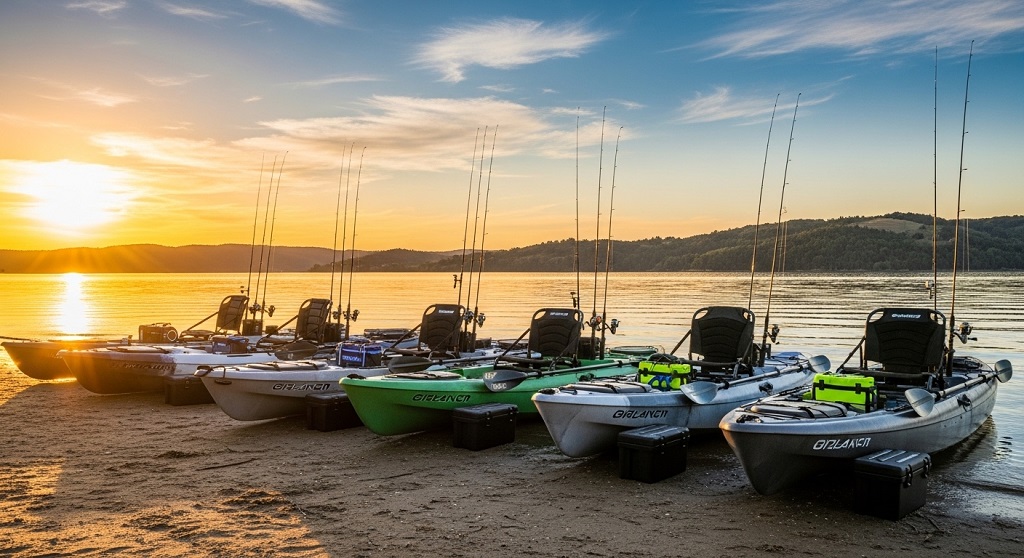
Start by focusing on weight capacity, seat support, hull width, stability, and storage layout. Many standard fishing kayaks support 300–350 lbs. But larger anglers often need 450–600 lbs capacity for safe performance, gear storage, and balance. Choosing the wrong kayak reduces comfort, casting stability, and tracking control.
Fishing kayak manufacturers now design models specifically for taller and heavier anglers. These kayaks include reinforced hulls, wider platforms, elevated seating systems, and pedal-drive compatibility. According to a 2024 recreational boating survey by the Outdoor Industry Association, kayak fishing participation increased by over 18% in three years. A growing segment of those users requested higher-capacity platforms.
This guide explains how to choose the best fishing kayaks for big anglers in 2026 using real specifications, performance factors, and practical comparisons. Whether you fish lakes, rivers, or coastal waters, the right kayak improves stability, endurance, and casting efficiency.
What makes the best fishing kayaks for big anglers different from standard kayaks?
The best fishing kayaks for big anglers include higher weight capacity, wider hulls, stronger seating systems, and larger cockpits.
Standard recreational kayaks prioritize portability and speed. Fishing kayaks designed for larger anglers prioritize stability and load support instead.
Key structural differences include:
- Weight capacity between 450 and 600 lbs
- Hull widths above 34 inches
- Elevated stadium-style seating systems
- Reinforced polyethylene hull construction
- Extended foot brace rails
- Larger rear tank wells
For example, wide-platform kayaks reduce tipping risk during standing casts. Elevated seats reduce knee pressure during long sessions. These upgrades directly improve comfort and safety.
Why is weight capacity the most important factor for big anglers?
Weight capacity determines stability, tracking efficiency, and storage safety.
A kayak loaded near its maximum capacity sits deeper in the water. That reduces maneuverability and increases tipping risk.
Experts recommend using only 70–75% of maximum listed capacity for optimal performance.
| Angler Weight | Recommended Kayak Capacity |
|---|---|
| 250 lbs | 400 lbs minimum |
| 300 lbs | 450 lbs minimum |
| 350 lbs | 500 lbs minimum |
| 400 lbs | 600 lbs minimum |
This buffer supports tackle crates, batteries, fish finders, anchors, and safety equipment.
How does kayak width affect stability for larger anglers?
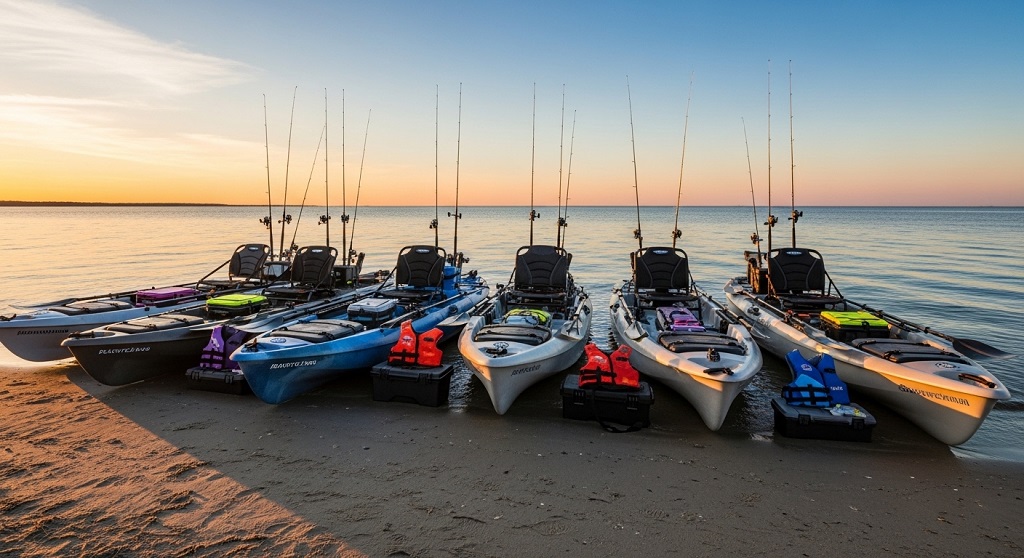
Kayaks wider than 34 inches provide the best stability for standing and casting.
Primary stability helps prevent tipping while seated. Secondary stability supports standing balance during movement.
Wide hull advantages include:
- Safer standing platform
- Reduced side rocking
- Better weight distribution
- Improved confidence while casting
Flat-bottom hulls increase stability further. Pontoon-style hulls add additional edge support.
However, extremely wide kayaks move slower in current. Choose width based on fishing environment.
Which seat features should big anglers look for in 2026 fishing kayaks?
The best fishing kayaks for big anglers include adjustable framed seats with lumbar support and breathable mesh backing.
Modern elevated seating reduces fatigue during long fishing sessions.
Important seat features:
- Adjustable height positions
- Aluminum frame construction
- Weight-rated suspension mesh
- Raised visibility angle
- Under-seat storage access
Case testing by kayak retailers in 2025 showed elevated-frame seats reduced lower-back fatigue by up to 27% during 4-hour fishing sessions compared to molded seats.
Are pedal-drive fishing kayaks better for big anglers?
Pedal-drive kayaks improve mobility, reduce shoulder strain, and increase fishing efficiency for larger anglers.
Paddle-only kayaks require more upper-body endurance. Pedal systems shift propulsion to stronger leg muscles.
Benefits include:
- Hands-free lure control
- Faster travel speed
- Reduced arm fatigue
- Better current positioning
However, pedal systems increase kayak weight by 20–35 lbs. Transport planning becomes important.
What kayak length works best for taller anglers?
Fishing kayaks between 12.5 and 13.5 feet provide the best balance of tracking and storage space.
Longer kayaks improve glide efficiency and directional control.
Advantages include:
- More legroom
- Better straight-line tracking
- Higher storage capacity
- Improved open-water stability
Taller anglers benefit from extended foot rails and adjustable pedal reach systems.
Which hull design performs best for heavy anglers?
Pontoon and tri-hull designs provide maximum stability for large kayak anglers.
These hull styles distribute weight across multiple contact points.
Common hull types:
- Pontoon hull – best standing stability
- Tri-hull – balanced tracking and support
- Flat hull – ideal for calm water lakes
- V-shaped hull – better river tracking
Choose hull type based on fishing location.
How important is storage layout for big anglers?
Efficient storage layout improves balance and prevents overcrowding.
Large anglers typically carry heavier gear loads.
Look for:
- Oversized rear tank wells
- Rod holder positioning
- Battery mounting space
- Side tackle tracks
- Front hatch storage
Balanced storage improves tracking performance and reduces tipping risk.
Which materials make fishing kayaks stronger in 2026?
High-density polyethylene remains the most durable material for large fishing kayaks.
Rotomolded polyethylene resists impact damage and supports higher loads.
Alternative materials include:
- Thermoformed ABS – lighter but less impact resistant
- Composite fiberglass – fast but expensive
- Carbon hybrid builds – premium lightweight option
Most big anglers benefit from rotomolded hull durability.
What accessories improve kayak performance for bigger anglers?
Key accessories improve safety, comfort, and fishing efficiency.
- Standing assist straps
- Anchor trolley systems
- Fish finder mounts
- Adjustable foot braces
- Stability outriggers
- Battery-powered propulsion upgrades
These upgrades enhance long-session usability.
What are the best fishing kayaks for big anglers in 2026?
Top models combine stability, capacity, and seating comfort.
| Kayak Model | Capacity | Width | Best Feature |
|---|---|---|---|
| Bonafide SS127 | 475 lbs | 33.5″ | Stand-friendly platform |
| Old Town Sportsman BigWater 132 PDL | 500 lbs | 36″ | Pedal drive stability |
| Jackson Big Rig HD | 550 lbs | 40″ | Maximum deck space |
| Native Titan 12 | 500 lbs | 41″ | Extreme standing stability |
These models consistently rank high among large anglers.
How should big anglers transport heavier fishing kayaks safely?
Use kayak carts, roof assist loaders, or trailer systems.
Most high-capacity fishing kayaks weigh between 85 and 140 lbs.
Transport solutions include:
- Wheeled kayak carts
- Pickup bed extenders
- Trailer carriers
- Hydraulic roof racks
Proper transport reduces injury risk.
Conclusion: How can big anglers choose the right fishing kayak in 2026?
The best fishing kayaks for big anglers combine high load capacity, wide hull design, supportive seating, and balanced storage layout. Choosing the right platform improves casting confidence, reduces fatigue, and increases time on the water.
Before buying, compare specifications carefully. Match kayak width to your fishing style. Confirm realistic weight capacity. Test seating comfort when possible.
If you want better stability, safer standing performance, and improved gear management in 2026, selecting a kayak designed specifically for larger anglers makes a measurable difference.
Start by identifying your target capacity range and preferred propulsion system. That single decision will narrow your best options quickly.
FAQ: Best Fishing Kayaks for Big Anglers
What weight capacity should a fishing kayak have for big anglers?
Most big anglers should choose kayaks rated between 450 and 600 lbs. Staying below 75% capacity improves stability and maneuverability.
Are wider kayaks always better for heavier anglers?
Wider kayaks improve stability but reduce speed slightly. A width between 34 and 41 inches offers the best balance.
Can big anglers stand safely in fishing kayaks?
Yes. Kayaks with pontoon hulls and widths above 36 inches support safe standing casts.
Is pedal drive worth it for large anglers?
Pedal-drive systems reduce upper-body strain and improve positioning control, making them useful for longer fishing sessions.
What kayak length works best for tall anglers?
Kayaks between 12.5 and 13.5 feet provide better tracking, storage space, and legroom.
Do heavier kayaks perform worse in rivers?
Heavier kayaks track well in open water but may require more effort in fast-moving rivers.
Are inflatable fishing kayaks suitable for big anglers?
Most inflatable kayaks lack the rigidity needed for standing stability, though some reinforced models support seated fishing.
Read More Also How Does Boredom Make Drug Abstinence So Challenging?