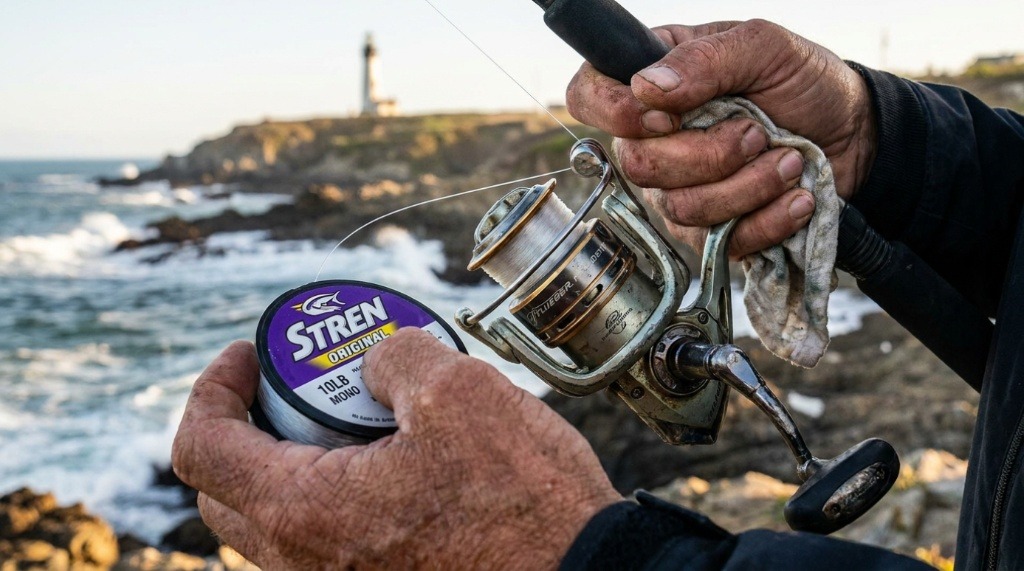
You’ve got the rod, the tackle box is stocked, and the lake is calling. But if your reel is old, clunky, or prone to bird’s nests, that perfect morning on the water can turn frustrating fast. The problem is that browsing online for a new reel often feels like a sea of $200+ options, leaving you wondering if you need to spend a fortune just to catch a few bass or panfish. The truth is, you don’t. Finding the best inexpensive reels for lake fishing is about matching the right technology and build quality to the specific fish you’re after, not just grabbing the cheapest spinner on the shelf. This guide breaks down what actually matters in a budget reel, which types work best for different lake species, and how to spot a durable bargain from a disposable piece of plastic, so you can spend less time shopping and more time fishing.
Key Takeaways
- Budget reels (under $60) are ideal for lake fishing; they offer sufficient drag and durability for species like bass, trout, and panfish.
- A spinning reel is the most versatile and beginner-friendly choice for general lake fishing, while baitcasting reels require a higher skill level.
- Prioritize a smooth drag system and corrosion-resistant materials (like graphite or aluminum) over high gear ratios when on a budget.
- Consider specific lake environments—like heavy vegetation or deep rocky drop-offs—when choosing between a standard reel and one with a strong magnetic brake system.
Why Price Does Not Always Equal Performance on a Lake
There is an ingrained belief in fishing that you get what you pay for. While that holds true for high-end saltwater tackle, freshwater lake fishing is an arena where budget gear genuinely shines. Modern manufacturing has closed the gap significantly. A $40 reel today often features the same graphite body construction and stainless steel components that were only found on $100 reels a decade ago. The primary differences now lie in weight reduction, the smoothness of the internal gears, and the total number of ball bearings.
However, a lower price point does mean certain sacrifices. You might see a slightly higher rate of paint chipping on the spool, or the drag washers could be felt rather than carbon. But for a typical lake outing—catching 2-5 pound bass or a stringer of bluegill—these differences rarely affect your success rate. You are looking for reliability, not precision engineering for a tournament circuit.
The “Good Enough” Threshold
For lake fishing, the “good enough” threshold is lower than most anglers think. You need a reel that casts smoothly without tangling, retrieves consistently, and has a drag that doesn’t seize up when a fish makes a sudden run. If a reel does those three things effectively, the price tag is irrelevant. Many inexpensive models excel at exactly these functions because they use simpler internal mechanisms that are less prone to mechanical failure compared to highly complex, high-speed reels.
Key Features to Look For in Budget Lake Reels
When you are shopping with a budget in mind, it is tempting to look for the most bearings or the flashiest aesthetics. Instead, you should focus on a few critical mechanical components that dictate how well the reel functions on the water. If you are just starting out or simply want a reliable backup, seeing a deal on a reputable brand is always an option; for instance, many anglers seek out the best inexpensive reels for lake fishing to keep their gear costs low without sacrificing casting distance.
Corrosion Resistance
Even though you are fishing in freshwater, your reel will get wet. It will get splashed, rained on, and possibly dropped in the sand. Look for terms like “graphite body” or “aluminum spool.” Graphite is lightweight, doesn’t rust, and is cheap to produce. While it isn’t as rigid as aluminum, it is more than sufficient for lake fish. Ensure the hardware (screws and the bail wire) is stainless steel. Rust on the bail wire is a death sentence for a budget reel, as it creates friction and prevents the line from coming off the spool cleanly.
Drag System Quality
Do not get fooled by “maximum drag” numbers. A budget reel may claim 15lbs of drag, but if that drag is jerky or sticks, you will lose fish on the run. Look for reels that mention “front drag” or “multi-disc” systems. Front drags are generally smoother and more reliable than rear drags at the same price point. You want a drag that allows you to pull line out steadily by hand—that is your test. Without a smooth drag, a lively largemouth bass will easily break your line.
Gear Ratio Realism
Aggressive gear ratios like 7.1:1 are popular, but they are not necessary for most lake fishing techniques. A more moderate ratio like 5.2:1 or 6.2:1 provides ample cranking power for crankbaits and spinnerbaits and offers better torque for pulling fish out of lily pads. High-speed reels are excellent if you are throwing frogs or fishing heavy jigs, but they can cause issues with lighter lures on a budget reel due to the faster spool acceleration.
Spinning vs. Baitcasting vs. Spincast for Lakes
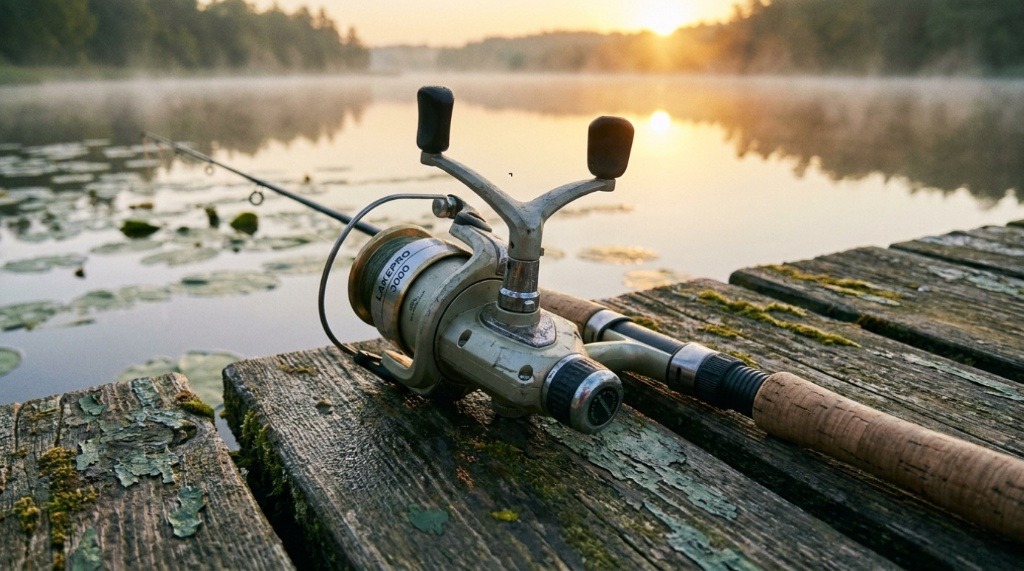
Choosing the style of reel is more critical than the brand or price. All three main types have their pros and cons in a lake environment, and your choice should be dictated by your skill and the target species.
Spinning Reels: The Versatile Option
Spinning reels are the undisputed kings of general lake fishing. They are mounted under the rod, which allows you to cast lightweight lures (like small trout spinners or wacky rigs) with ease. They are also incredibly forgiving of backlash—the dreaded “bird’s nest” that plagues baitcasters.
Best for: Beginners, finesse fishing, small lures, and targeting trout, panfish, or bass in open water.
Budget insight: In the $30-$50 range, spinning reels offer the best value. Manufacturers produce millions of these units, driving the cost down while maintaining high production quality.
Baitcasting Reels: The Accuracy Choice
These reels sit on top of the rod and offer superior casting accuracy and power. They are excellent for flipping jigs into heavy cover or pitching soft plastics to a specific log. However, they have a steep learning curve. Even the best inexpensive baitcasters will backlash if you use too much thumb pressure or cast into the wind incorrectly.
Best for: Experienced anglers, bass fishing in heavy cover, heavier lures (1/4 oz and up).
Budget insight: Be wary of “cheap” baitcasters (under $40). They often lack quality braking systems, making them frustrating to tune. If you go this route, plan to spend at least $60, but look for sales on previous year models.
Spincast Reels: The Simple Solution
Those classic closed-face reels are not just for kids. Modern spincast reels have improved dramatically. They are virtually impossible to backlash and are incredibly easy to use with push-button casting. They are perfect for bobber fishing with worms for bluegill or catfish.
Best for: Absolute beginners, children, and dock fishing.
Budget insight: These are the cheapest reels you can buy. A $20 spincast is usually better made than a $20 spinning reel because of the protective housing that keeps dirt out.
Top Picks and Categories Under $60
While we do not endorse a single “best” model due to changing inventory, understanding which “tiers” of reels are worth your money is crucial. Based on current market trends and angler feedback, here is how the budget market breaks down.
| Price Tier | Category | What to Expect | Ideal Target |
|---|---|---|---|
| $15 – $25 | Basic Entry | Graphite body, 4-6 bearings, basic drag. Perfect for kids and occasional use. | Panfish, small trout |
| $25 – $40 | Value Workhorse | Improved drag systems, lighter spool, smoother oscillation. | Largemouth Bass (smaller sizes), Walleye |
| $40 – $60 | Performance Budget | Machined aluminum spools, stronger gears, better corrosion resistance. | Heavy Bass cover, pike, and large trout. |
Specific Budget Recommendations
If you are looking for a specific direction, check out the KastKing Brutus range. KastKing has dominated the budget market by offering features typically found on higher-end reels, such as carbon fiber drags and multiple bearings, at aggressive price points. Similarly, the Pflueger President is a legendary budget reel that costs slightly more but offers incredible smoothness. On the ultra-low end, Shakespeare’s Synergy series offers decent performance for under $20.
When you choose a reel in the $25-$40 tier, you are hitting the “sweet spot” for lakes. At this price, you can expect a reel that will last several seasons if cleaned annually. Weigh the reel in your hand if possible; a lighter reel (under 8 oz) will significantly reduce fatigue when casting all day from a kayak or a boat, Before heading out to the water, make sure you gear up properly by reviewing these recommendations on how to Select Essential Florida Fishing Accessories.
Common Mistakes When Buying Budget Reels
Many lake anglers make a few common, yet preventable, mistakes when selecting an inexpensive reel. By avoiding these pitfalls, you improve your chances of having a trouble-free day on the water.
Mistake 1: Chasing the Highest Ball Bearing Count
It is easy to see a reel with “13 Bearings” for $30 and think it’s a steal. But bearings have different qualities. More bearings do not automatically mean smoother. The critical bearings are the ones in the pinion gear and the worm shaft oscillation. A reel with 5 high-quality shielded bearings and solid brass gearing will outperform a reel with 11 “unshielded” bearings that collect grit.
Mistake 2: Matching the Rod Incorrectly
Buying an ultralight reel for a medium-heavy rod ruins the action. A heavy rod needs enough reel weight to balance the setup. Conversely, putting a large 4000-size reel on a light rod makes casting awkward and tiring. For general lake fishing, a 2500-size spinning reel is the gold standard for bass, and a 1000-size is perfect for trout and panfish.
Mistake 3: Ignoring the Handle
On cheap reels, the handle is often the first thing to break. Specifically, the joint where the handle folds (for storage) becomes loose. Look for a handle that has a solid metal stem and a comfortable knob. If the handle wiggles at the base in the store, it will be twice as wobbly after a month of fishing.
How to Set Up and Maintain Your Budget Reel
To ensure that your inexpensive reel performs like a premium one, you must ensure the spool is filled correctly and the drag is set properly.
- Fill the Spool Correctly: On a spinning reel, fill the spool to within 1/8 inch of the lip. Overfilling causes line to loop off in coils (wind knots). Underfilling increases casting friction, reducing distance.
- Set the Drag: Tie the line to a solid object, bend the rod, and pull until the drag slips. It should slip smoothly without sticking. Set it to about 25-30% of your line’s breaking strength.
- Rinse and Dry: After every trip, spray the reel with fresh water to remove lake residue or sand. Dry it with a towel. Do not use high-pressure hoses, as water can penetrate the seals.
- Lubricate Quarterly: Apply one drop of reel oil to the spool oscillation gear and the handle knob. Do not grease the spool shaft; this attracts dirt.
Frequently Asked Questions
Can I use a $20 reel for bass fishing in a lake?
Yes, but you must be gentle. A $20 reel is perfect for catching smaller bass under 3 pounds. However, the drag might lack the smoothness needed to stop a large bass from running into thick weed beds. If you are targeting trophy bass, move up to the $40 tier for a stronger drag.
What size reel is best for general lake fishing?
A size 2500 spinning reel is universally considered the best general-purpose size for freshwater lakes. It holds enough line to fight a big fish, handles lures from 1/8 oz to 1/2 oz well, and is lightweight enough to fish all day.
Are baitcasting reels worth the money for a beginner on a lake?
Only if you are committed to practicing. For beginners, a baitcaster will cause more frustration than it solves. We recommend starting with a spinning reel to learn how to feel bites and set hooks. Once you are comfortable, move to a baitcaster for flipping techniques.
How long should an inexpensive lake reel last?
With basic maintenance, a decent budget reel should last 2 to 3 years. The most common failure point is the anti-reverse bearing (the clicking mechanism), not the main gears. Storing the reel in a dry environment when not in use extends its life significantly.
Is a higher gear ratio better for lake fishing?
Not necessarily. A 7.0:1 ratio is terrible for slow-rolling a spinnerbait. A moderate 6.0:1 ratio is the most versatile. It offers the speed to buzz a buzzbait but still has the torque to crank a deep diver. High speed only matters when fishing jigs vertically.
Conclusion
You do not need to empty your wallet to enjoy a productive day on a lake. The fishing equipment industry is incredibly competitive, which benefits the consumer looking for gear that works without the premium price tag. Focus on a mid-size spinning reel (1000-2500) with a reliable drag and a graphite body, and you will have a workhorse that lasts. Remember to assess your skill level honestly—if you are not ready to troubleshoot a backlash, stick to the open-face spinners. Keep your reel clean, match it to the rod correctly, and you will find that an inexpensive reel can be just as reliable as a high-end one. Now, get out there and make some memories on the shore or the boat. Tight lines!