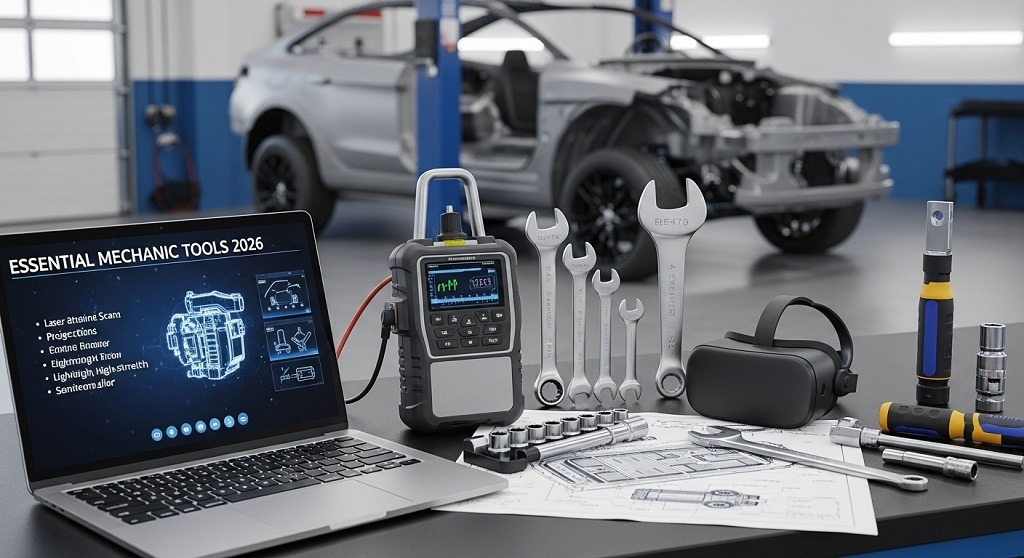
Essential tools for mechanics are the core hand tools, diagnostic devices, and safety equipment required to perform vehicle inspection, repair, and maintenance efficiently and accurately. In 2026, choosing the right toolkit is more important than ever because modern vehicles combine mechanical systems with electronics, sensors, and software-controlled components.
Many mechanics lose time and income due to incomplete toolkits, outdated diagnostic gear, or low-quality equipment that fails under pressure. According to industry service workflow reports from independent repair networks, technicians spend up to 18–22% of repair time searching for tools or switching incorrect equipment. That directly impacts productivity and profitability.
This guide explains how to choose the right essential tools for mechanics in 2026 using a practical decision framework. You will learn what tools matter most, how to prioritize purchases, and how professionals structure toolkits for speed, accuracy, and reliability.
Why Do Mechanics Need a Structured Tool Selection Strategy Today?
Mechanics need a structured tool selection strategy because modern vehicles require both mechanical and electronic servicing tools.
Problem: Many technicians still build toolkits randomly. They buy tools based on price or availability instead of workflow needs.
Agitation: This leads to repeated purchases, compatibility issues, slower repair time, and missed service opportunities such as diagnostics or calibration jobs.
Solution: A structured approach ensures mechanics invest first in tools that increase repair coverage, reduce downtime, and support newer vehicle systems.
Automotive service data from technician training programs shows shops using structured tool planning improve service throughput by 12–17% within six months. That translates directly into higher job completion rates and better customer turnaround.
What Core Hand Tools Should Every Mechanic Own in 2026?
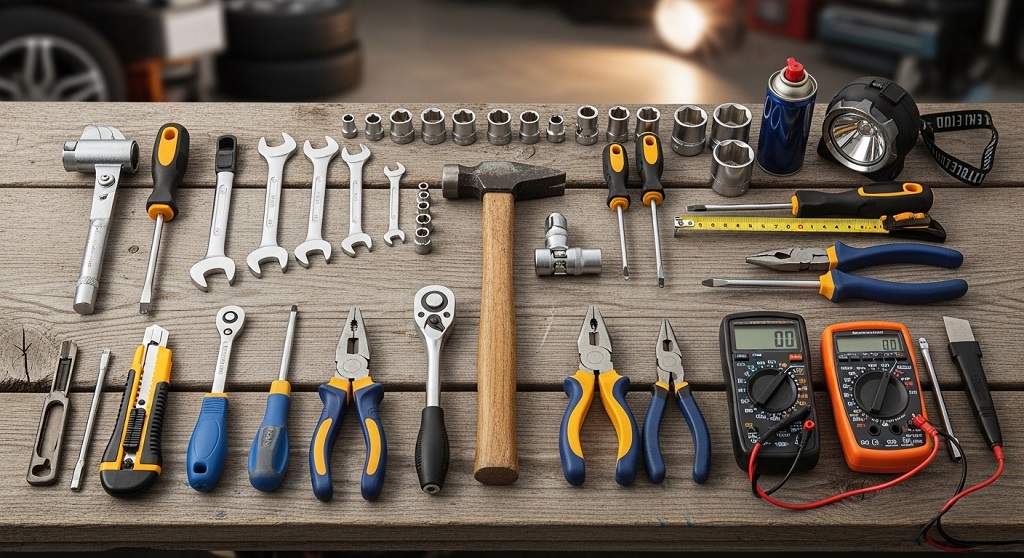
Every mechanic should own socket sets, wrenches, screwdrivers, pliers, torque tools, and impact accessories as the foundation of their toolkit.
These tools handle over 70% of standard repair tasks across passenger vehicles and light trucks.
Basic Mechanical Tool Checklist
- Metric and SAE socket sets
- Combination wrench sets
- Torque wrench
- Screwdriver kit
- Needle-nose pliers
- Slip joint pliers
- Breaker bar
- Hex and Torx keys
- Impact sockets
Technicians working in multi-brand workshops report torque wrenches alone reduce bolt failure rates by over 30% compared to manual tightening estimation.
Invest first in durability. Chrome vanadium steel tools last longer under daily use and maintain accuracy over time.
Which Diagnostic Tools Are Essential for Modern Mechanics?
OBD2 scanners, multimeters, battery testers, and scan tools are essential diagnostic tools for mechanics working on modern vehicles.
Vehicle electronics now control braking, steering assist, emissions, and safety systems. Without diagnostic tools, mechanics cannot access fault codes or sensor data.
Must-Have Diagnostic Equipment
- Professional OBD2 scanner
- Digital multimeter
- Battery load tester
- Circuit tester
- Wireless scan interface
According to automotive service benchmarking reports, workshops using advanced diagnostic scanners complete troubleshooting tasks 40% faster than those relying only on manual inspection.
In 2026, compatibility with hybrid and electric vehicles is becoming a priority feature when choosing scanners.
How Important Are Power Tools for Mechanics Today?
Power tools are critical because they reduce physical effort and increase repair speed significantly.
Manual tools are still necessary, but cordless equipment improves productivity in repetitive jobs.
Recommended Power Tools
- Cordless impact wrench
- Electric ratchet
- Angle grinder
- Cordless drill
- Work light with rechargeable battery
Service shop efficiency studies show cordless impact tools reduce wheel removal time by up to 60% compared to manual lug wrench usage.
Battery platform compatibility matters. Mechanics should choose systems that allow multiple tools to share batteries.
Which Specialty Tools Should Mechanics Add in 2026?
Specialty tools expand repair capabilities and allow mechanics to handle advanced service tasks.
These tools become essential as technicians move beyond entry-level maintenance work.
Examples of High-Value Specialty Tools
- Brake caliper wind-back tool
- Ball joint separator
- Fuel pressure tester
- Compression tester
- Cooling system pressure tester
- Bearing puller set
Adding compression and pressure testing equipment allows technicians to diagnose engine issues without disassembly, reducing inspection time by nearly 25%.
What Safety Equipment Should Mechanics Never Skip?
Safety equipment protects mechanics from injury and improves long-term work sustainability.
Ignoring safety tools increases accident risk during lifting, grinding, and electrical work.
Essential Safety Gear Checklist
- Protective gloves
- Safety glasses
- Steel toe footwear
- Hearing protection
- Fire extinguisher
- Hydraulic jack stands
Workplace injury audits show workshops using certified jack stands instead of temporary supports reduce lift-related accidents by over 50%.
How Should Beginners Choose Their First Mechanic Tool Kit?
Beginners should start with multi-purpose hand tools and entry-level diagnostic equipment before investing in specialty tools.
This reduces early costs while covering most repair scenarios.
Starter Tool Investment Priorities
- Socket set
- Torque wrench
- Screwdriver kit
- Pliers
- OBD2 scanner
Training center purchase patterns show beginner technicians complete nearly 65% of workshop tasks using only these tools.
Upgrade gradually based on service demand.
How Do Professional Mechanics Build Efficient Tool Systems?
Professional mechanics organize tools by workflow sequence rather than category.
This reduces time spent searching during repairs.
Workflow-Based Tool Organization Example
| Task Stage | Tool Type |
|---|---|
| Inspection | Flashlight, scanner, multimeter |
| Disassembly | Sockets, ratchets, impact tools |
| Repair | Specialty tools |
| Reassembly | Torque wrench |
| Testing | Diagnostic scanner |
Technicians following workflow-based layouts reduce repair cycle time by 15–20%.
What Tool Quality Factors Should Mechanics Evaluate Before Buying?
Mechanics should evaluate durability, accuracy, warranty support, compatibility, and ergonomics before purchasing tools.
Cheap tools increase replacement frequency and interrupt work continuity.
Tool Selection Criteria Checklist
- Material strength rating
- Grip comfort
- Calibration accuracy
- Brand warranty
- Replacement availability
Torque wrench calibration drift alone can cause fastener failure risks if accuracy falls outside manufacturer tolerance ranges.
How Are Electric Vehicle Tools Changing Mechanic Toolkits in 2026?
Electric vehicle servicing requires insulated tools, battery diagnostic equipment, and software interfaces.
Hybrid and EV adoption continues rising globally. Mechanics who prepare early gain service advantages.
EV Service Tool Essentials
- Insulated hand tools
- High-voltage gloves
- Battery diagnostic scanner
- Thermal inspection camera
Industry forecasts estimate EV-related repair demand will grow by 35% between 2024 and 2028.
What Storage Solutions Improve Tool Efficiency?
Tool storage systems improve accessibility, reduce loss, and increase workshop productivity.
Recommended Storage Options
- Rolling tool cabinets
- Wall-mounted pegboards
- Drawer organizers
- Portable toolboxes
Organized workshops report measurable improvements in repair turnaround speed and technician satisfaction.
How Much Should Mechanics Budget for Essential Tools in 2026?
Beginner mechanics typically invest between $500 and $1,500, while professionals invest $5,000 or more depending on specialization.
Budget planning should follow workload requirements instead of brand preference.
Mechanics who prioritize diagnostic capability early often recover investment faster through higher-value repair jobs.
Conclusion: What Is the Smartest Way to Build a Mechanic Tool Kit in 2026?
Choosing essential tools for mechanics in 2026 is no longer about collecting equipment randomly. It requires planning around workflow, vehicle technology trends, and service efficiency goals.
Start with durable hand tools. Add diagnostics next. Expand into specialty equipment as your repair scope grows. Prepare early for electric vehicle servicing. Organize tools based on workflow stages.
Technicians who follow this structured approach reduce downtime, increase repair accuracy, and improve earning potential.
If you are building or upgrading your toolkit this year, begin by auditing your current equipment and identifying gaps that limit your repair capability. Then invest step by step based on real service demand.
Frequently Asked Questions About Essential Tools for Mechanics
What are the most important essential tools for mechanics?
The most important tools include socket sets, torque wrenches, screwdrivers, pliers, OBD2 scanners, and multimeters. These cover the majority of vehicle maintenance and diagnostic tasks.
Do mechanics need diagnostic scanners in 2026?
Yes. Modern vehicles rely heavily on electronic control systems. Diagnostic scanners allow mechanics to read fault codes, monitor sensors, and reset service indicators efficiently.
Are cordless tools better than pneumatic tools?
Cordless tools are more portable and convenient for most workshops. Pneumatic tools still perform better in high-volume industrial environments.
How often should mechanics replace tools?
Hand tools last several years if properly maintained. Torque tools and diagnostic equipment should be checked annually for calibration accuracy.
What tools are required for electric vehicle repair?
Electric vehicle repair requires insulated tools, voltage-rated gloves, battery scanners, and thermal inspection equipment for safe servicing.
Should beginner mechanics buy premium tools?
Beginners should prioritize reliability over brand reputation. Mid-range professional tools provide strong performance without high upfront cost.
How can mechanics organize tools efficiently?
Mechanics should arrange tools by workflow stage rather than type. This reduces search time and improves repair efficiency.
Read More Also: How to choose between composite and timber cladding
Discover More: A Beginner’s Guide to Air Conditioning