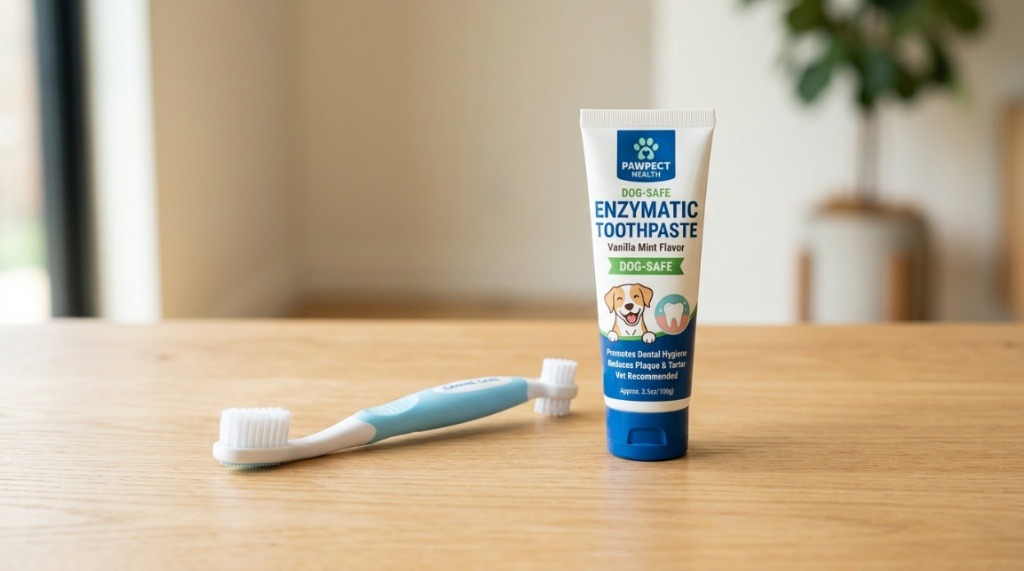
You love your dog, and you probably already feed them high-quality food, take them on regular walks, and make sure they get plenty of playtime. But when was the last time you thought about their teeth? Oral health is one of the most overlooked aspects of canine care, yet it plays a massive role in their overall wellbeing. Without proper care, plaque turns into tartar, which can lead to gingivitis, painful infections, and even heart or kidney issues. The good news? You can prevent most of these problems by learning how to brush dog teeth daily with top toothpaste. It might sound tricky at first, but with the right techniques and a little patience, it becomes a simple part of your routine. This guide walks you through every step, from choosing the right products to making the experience stress-free for both of you.
Key Takeaways
- Daily brushing is the single most effective way to prevent dental disease in dogs, far outpacing dental chews or water additives.
- Never use human toothpaste—it contains xylitol and fluoride, which are toxic to dogs. Always choose a vet-approved canine formula.
- Start slow and create a positive association with brushing, especially if you have a puppy or a senior dog who is new to the process.
- Consistency matters more than perfection. A quick 30-second brush every day is better than a deep cleaning once a week.
- Combine daily brushing with annual veterinary dental check-ups to catch and address issues early.
Why Daily Brushing Is Non-Negotiable for Your Dog
Just like humans, dogs accumulate plaque on their teeth after every meal. When that plaque is not removed within 24 to 48 hours, it mineralizes into tartar, a hard substance that cannot be brushed away. Tartar buildup pushes the gums away from the teeth, creating pockets where bacteria thrive. This leads to periodontitis, which is not just a dental issue—it impacts the entire body. Bacteria from the mouth can enter the bloodstream and damage the heart, liver, and kidneys. In fact, periodontal disease is the most common clinical condition in adult dogs, affecting over 80% of dogs older than three years. Brushing daily interrupts that cycle by removing plaque before it hardens. Even if you are using one of the brush dog teeth daily routines, you are dramatically reducing the risk of pain, tooth loss, and systemic illness.
Choosing the Right Toothpaste for Your Dog
Selecting the right toothpaste is not just about flavor; it is about safety and effectiveness. Dogs cannot spit, so any toothpaste you use must be safe to swallow. Human toothpaste is dangerous because it contains xylitol (a sweetener that causes a rapid insulin spike and can be fatal) and fluoride, which upsets a dog’s stomach. Veterinary toothpaste is formulated with enzymes that break down plaque and are completely safe to ingest. Look for products containing enzymes like glucose oxidase or lactoperoxidase, which actively reduce bacteria and plaque accumulation.
Flavors and Texture Considerations
Dogs do not care about minty fresh breath—they want something that tastes good to them. The most popular flavors are poultry, beef, and peanut butter. The texture matters too. Some dogs prefer a paste, while others do better with a gel or foam that can be rubbed on without a toothbrush. You may need to experiment with a couple of flavors to find one your dog tolerates. The best toothpaste is simply the one your dog will let you use without a fight. If you are trying to figure out which specific brand works best in a warmer climate where storage might be an issue, checking a reliable local resource can help you make an informed choice.
Selecting the Right Toothbrush
You do not need anything fancy, but the brush should fit your dog’s mouth comfortably. For most medium and large breeds, a long-handled toothbrush designed for dogs works well. For small breeds, puppies, or dogs with narrow snouts, a finger brush is often easier to control. However, finger brushes have a downside—your dog’s teeth can accidentally bite down on your finger, and the silicone bristles are not as effective at removing plaque near the gum line. A dual-ended brush is a practical compromise: one end has a larger brush for the back molars, and the other has a smaller head for front teeth. Whichever you choose, make sure the bristles are soft to avoid irritating the gums, If your pet suffers from skin irritation alongside dental issues, you should check out the Best Medicated Dog Shampoo for Itchy Skin and Allergies to keep their coat healthy too.
Step-by-Step Guide: How to Brush Dog Teeth Daily
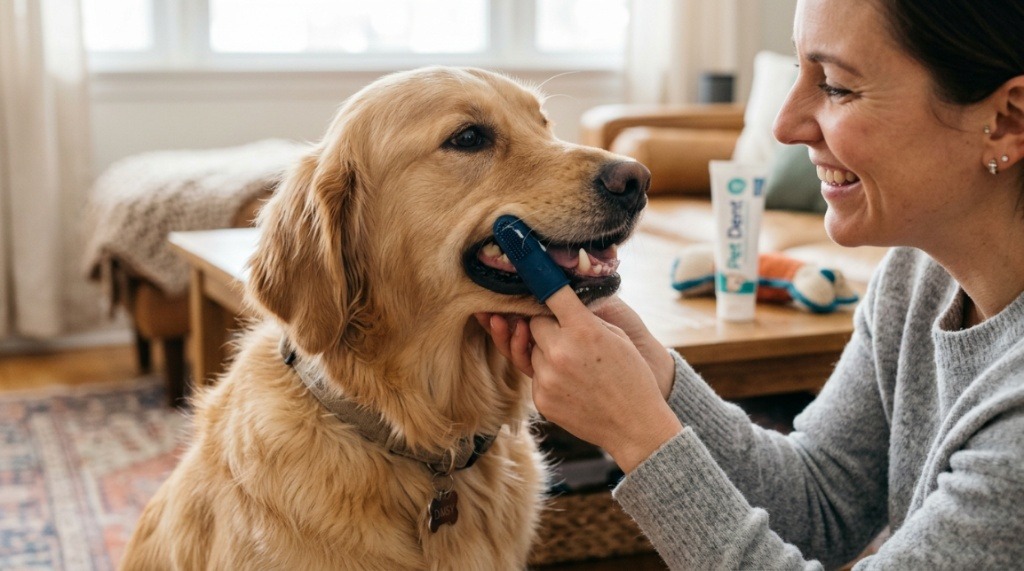
If your dog has never had their teeth brushed, do not expect to do a full cleaning on day one. You need to build trust and tolerance gradually. Rushing this process will make your dog anxious and resistant every time you try again.
Step 1: Create a Calm Environment
Choose a time when your dog is relaxed, usually after a walk or a meal. Sit on the floor with your dog in front of you or at your side. Have the toothpaste and brush ready before you bring the dog over. Speak in a calm, soothing tone and have some treats nearby.
Step 2: Introduce the Toothpaste Taste
Put a small amount of toothpaste on your finger and let your dog lick it off. Repeat this for two to three days. This helps your dog associate the toothpaste with a positive experience rather than something being forced on them.
Step 3: Touch the Teeth and Gums
Once your dog is comfortable licking the toothpaste, gently lift their lip and rub your finger along their teeth and gum line. Keep this brief—about 10 seconds—and do it several times over a few days. If your dog pulls away, stop immediately and try again later. The goal is to build tolerance without pushing too far.
Step 4: Introduce the Toothbrush
Let your dog sniff the toothbrush. Apply a little toothpaste to the bristles and let them lick it off. Then, gently lift their lip and brush a few front teeth using small circular motions at a 45-degree angle toward the gum line. Do not scrub back and forth aggressively; this can damage gums. Focus on the outside surfaces of the teeth, since the tongue naturally keeps the inside surfaces cleaner.
Step 5: Build Up to a Full Brushing Session
Over the course of one to two weeks, gradually increase the number of teeth you brush and the time you spend. Aim for 30 to 60 seconds per session, covering the back molars where plaque accumulates most. Finish each session with a treat and praise so your dog learns that this routine ends positively.
Common Mistakes to Avoid When Brushing Your Dog’s Teeth
Even with the best intentions, many owners make errors that reduce the effectiveness of their brushing or create negative associations. Being aware of these pitfalls will help you stay on track.
Skipping the Gum Line
Plaque hides in the sulcus, the pocket where the tooth meets the gum. If you only brush the tooth surface, you are missing the most critical area. Angle the bristles slightly under the gum line to remove the film before it turns into tartar.
Using a Back-and-Forth Sawing Motion
A sawing motion is inefficient and can cause gum recession over time. Use small, gentle circles or a rolling motion that sweeps the plaque away from the gums. This covers more surface area and is less irritating to sensitive tissue.
Brushing Too Quickly
If you rush, you will finish quickly, but you will likely miss the back teeth and the gum line. Slow down. A thorough 60-second brush is more beneficial than a rushed 15-second one. Play soft music or breathe deeply to keep yourself calm, which in turn keeps your dog calm.
Expecting Perfection Immediately
If you only manage to brush one side of your dog’s mouth in a session, that is fine. Consistency over time will yield results. Do not get frustrated or force your dog to endure a long session; that will only make them resent the routine. Aim for progress, not perfection.
What If Your Dog Absolutely Refuses to Brush?
Some dogs put up a significant fight, especially those with sensitive mouths or past negative experiences. If traditional brushing fails, you still have options, but understand that they are not substitutes for the mechanical action of brushing.
Dental Wipes and Gels
Dental wipes are textured cloths you wrap around your finger and run along the teeth and gum line. They are easier to tolerate for some dogs because they feel less like a foreign object. Enzymatic gels can be applied without a brush—the enzymes help break down plaque when the gel comes into contact with the teeth. These are less effective than brushing but far better than doing nothing.
Dental Chews and Toys
Chewing helps scrape plaque off teeth mechanically. Look for products with the Veterinary Oral Health Council (VOHC) seal, which guarantees a certain level of effectiveness. However, dental chews should complement brushing, not replace it. They do not reach the gum line well and can be high in calories.
How to Track Your Dog’s Oral Health Progress
Regularly monitoring your dog’s mouth helps you spot problems early. Once a week, while brushing, take a moment to look for warning signs. Healthy gums should be a consistent pink color, not red or swollen. There should be no visible yellow or brown tartar on the teeth, and your dog’s breath should not have an offensive odor (beyond normal “dog breath”). If you notice bleeding when you brush, halitosis that gets worse despite brushing, or loose teeth, schedule a veterinary visit. These are signs of advanced dental disease that require professional intervention.
Frequently Asked Questions
How long does it take to see results from daily brushing?
You will often see a noticeable improvement in gum color and breath within two to three weeks of consistent daily brushing. Existing tartar will not disappear, but you will see that new plaque is not accumulating. Full reversal of established gum disease requires a professional dental cleaning by a veterinarian.
Can I use baking soda to brush my dog’s teeth?
No. Baking soda is abrasive and can damage the enamel on your dog’s teeth. It also contains high levels of sodium, which can upset your dog’s stomach if swallowed in significant amounts. Stick to toothpaste explicitly formulated for dogs.
Is it ever too late to start brushing my dog’s teeth?
It is rarely too late, but you should have a vet examine your dog’s mouth first if they are older. If your dog has severe tartar buildup or painful gum disease, brushing may be painful. A professional cleaning followed by a gradual introduction to brushing is the safest approach.
How often should I replace my dog’s toothbrush?
Replace the toothbrush every three months, or sooner if the bristles become frayed or splayed. A worn-out brush is less effective at removing plaque and can be harsher on the gums. If your dog has had a mouth infection, replace the brush after they recover to prevent reinfection.
Do I need to brush my dog’s teeth if they eat dry food?
Dry food does not clean teeth effectively, despite what some commercials suggest. The kibble usually just crumbles without contacting the tooth surface. Even with a purely dry-food diet, daily brushing is still essential to prevent dental disease.
Conclusion
Learning how to brush dog teeth daily with top toothpaste is one of the best investments you can make in your dog’s long-term health. It prevents pain, reduces costly veterinary bills, and can add years to your dog’s life by preventing systemic infections. The process requires patience and consistency, but it is simple once you and your dog find a rhythm. Start with the right toothpaste, use a brush that fits your dog’s mouth, and gradually build the habit over a couple of weeks. Track progress, watch for warning signs, and do not hesitate to consult your veterinarian if you have concerns. Your dog depends on you for everything—a healthy mouth is a vital part of that responsibility. Start today, and your dog will thank you with a healthier, happier smile.