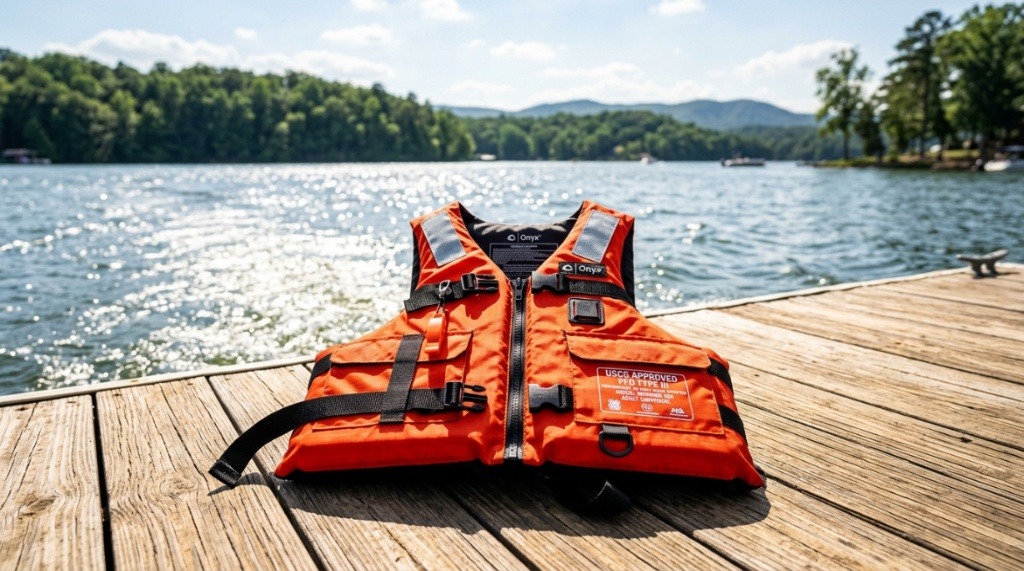
You are standing on a dock in the Outer Banks, watching the water chop up as a summer squall approaches. Your current life jacket is bulky, uncomfortable, and frankly, you are not sure it still floats. You need a solution that keeps you legal, safe, and able to move. The search for the safest life jacket for boating in NC is not just about buying a vest off the shelf; it is about understanding North Carolina’s specific regulations, the unique water conditions from the mountains to the coast, and the technology that makes a PFD truly reliable. Without the right gear, you are taking a risk that no boater should accept.
What Makes a Life Jacket Safe for North Carolina Boating?
A safe life jacket for North Carolina must meet federal Coast Guard approval, fit your body type perfectly, and be appropriate for the specific water activity you are doing. In NC, you face everything from calm mountain lakes to the rough inlets of the Atlantic, so your PFD needs to be versatile and reliable.
Coast Guard Approval and Type Classification
Every PFD sold in the US must be US Coast Guard approved. For North Carolina, the most common types are Type I (offshore), Type II (near-shore), and Type III (flotation aids). Type III vests are the most popular for inland lakes and rivers because they are comfortable, but Type I is the safest for open ocean conditions where rescue may take longer.
Buoyancy Ratings and Your Weight
Buoyancy is measured in Newtons. A standard adult PFD provides at least 15.5 pounds of buoyancy. If you are a larger person or wear heavy gear, look for a high-buoyancy vest (22+ pounds). In North Carolina, where waters can be cold even in spring, extra buoyancy can be a lifesaver if you become incapacitated.
Fit and Sizing Considerations
A life jacket that is too loose will ride up over your head. A jacket that is too tight restricts breathing. Always test your PFD in the water before you need it. Check the chest size range on the label and tighten all straps so the jacket does not lift above your ears when you relax in the water.
Why Do North Carolina Regulations Matter for Choosing a PFD?
North Carolina law requires all vessels to have a wearable PFD for each person on board. Children under 13 must wear theirs at all times while the vessel is underway. Ignoring these rules leads to fines, but more importantly, it puts you at risk in unpredictable NC waters.
Legal Requirements for Children and Adults
In North Carolina, anyone on a personal watercraft (like a Jet Ski) must wear a PFD. Canoes and kayaks must have one PFD per person, even if they are not worn. If you are towing a skier or tuber, the observer must also have a readily accessible PFD. Knowing these rules helps you choose the right number and type of jackets.
How NC Water Conditions Affect PFD Requirements
From the swift currents of the New River to the sudden storms on Lake Norman, NC waters demand a PFD that can handle immersion. Cold water shock is a real danger in spring and fall. A jacket with a high neck collar and reflective tape adds safety in low-visibility situations common in coastal fog.
How to Choose Between Inflatable and Foam Life Jackets
The choice between inflatable and foam boils down to comfort vs. reliability. Inflatables are less bulky and great for fishing or sailing, but they require maintenance. Foam jackets are always ready to use and do not rely on a CO2 cartridge. For the safest life jacket for boating NC, consider where you boat most often.
Pros and Cons of Inflatable Life Jackets
Inflatables are comfortable, allow full range of motion, and are Coast Guard approved for adults 16 and older. However, they require regular inspection of the CO2 cylinder and the inflation mechanism. If you puncture the bladder, you lose flotation. They are not recommended for weak swimmers or children.
When Foam Life Jackets Are the Better Choice
Foam jackets are fail-safe. They do not require inflation, are durable, and work even if torn. They are ideal for kayaking in shallow rivers where snags could puncture an inflatable. The trade-off is bulk and heat retention, which can be uncomfortable during hot North Carolina summers.
Which Type of PFD Is Best for Inland Lakes in NC?
For inland lakes like Lake Lure, Jordan Lake, or High Rock Lake, a Type III foam vest is the best combination of safety and comfort. These lakes are generally calm but can get crowded and windy. You want a jacket that you will actually wear, not store under a seat.
Features to Look For in Lake Vests
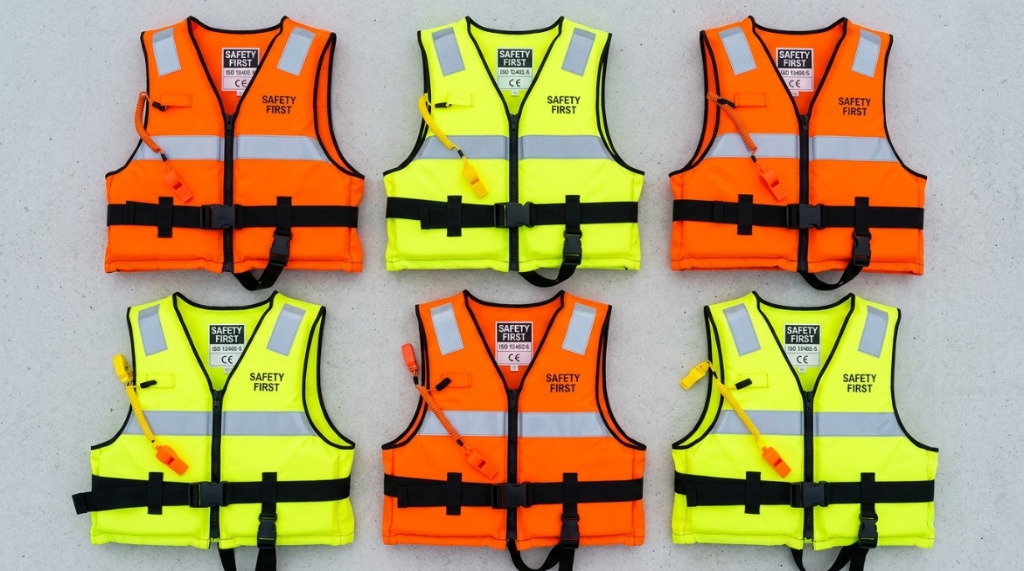
Look for a vest with multiple adjustment points, mesh panels for ventilation, and a front zipper. Bright colors like yellow or orange improve visibility. Many lake vests now come with built-in safety whistles and D-rings for attaching a kill switch lanyard.
Why Comfort Drives Compliance on Calm Waters
Statistics show that most drowning victims in inland lakes were not wearing their life jacket. If your vest is uncomfortable, you will take it off. A comfortable Type III foam vest with soft foam panels and a neoprene collar encourages you to keep it on all day.
What Is the Safest Life Jacket for Coastal Boating in NC?
For coastal boating in the Outer Banks, Cape Fear, or the Pamlico Sound, you need a Type I offshore life jacket or a high-buoyancy inflatable. These waters can turn dangerous quickly, and rescue may be far away. A standard Type III may not provide enough flotation to keep your head above water in rough seas.
High-Buoyancy Offshore Vests
Type I vests provide 22+ pounds of buoyancy and are designed to turn an unconscious person face-up. They are bulky but essential for open water. Many modern versions use segmented foam panels to improve mobility while keeping high flotation.
Inflatable Options for Open Water
A manual or automatic inflatable Type I or Type II jacket is a top choice for coastal boaters. The automatic version activates on contact with water, which is critical if you are knocked unconscious. Always carry spare CO2 cartridges and check the expiration date on the inflator mechanism.
How to Properly Fit and Test a Life Jacket
A properly fitted life jacket should be snug but not restrictive. You should not be able to pull it up over your ears. Testing it in shallow water is the only way to know if it works for your body. Do not skip this step before your first trip of the season.
The Step-by-Step Fit Check
- Fasten all straps and zippers.
- Lift your arms straight up. The jacket should stay in place.
- Have someone pull up on the shoulders. The jacket should not ride up.
- Enter shallow water and relax your legs. The jacket should keep your chin above water.
Common Fit Mistakes to Avoid
Do not buy a jacket that is too large thinking it will be more comfortable. It will float away from your body. Avoid jackets with broken zippers or corroded buckles. Replace any PFD that shows signs of mildew or brittle foam, as foam degrades over time.
Can You Wear a Life Jacket While Fishing or Kayaking?
Yes, and you should. Many anglers and kayakers resist wearing PFDs because of restricted movement. However, specialty fishing and kayaking vests are designed with high arm holes and short torsos to allow casting and paddling without lifting the jacket.
Fishing-Specific PFD Features
Fishing vests often have multiple pockets for tackle, pliers, and tools. Some include rod holders and attachment points for nets. Look for a vest with a built-in knife lanyard and a bright color so you are visible to other boaters.
Kayaking Vests for Mobility and Safety
Kayaking PFDs are cut shorter to avoid interference with the cockpit rim and spray skirt. They often have a low-profile design and multiple adjustment points. A rescue whistle and a quick-release belt are standard features for whitewater or sea kayaking.
How to Maintain Your Life Jacket for Long-Term Safety
Maintenance is often overlooked, but it is critical. A life jacket stored wet or in direct sunlight will degrade. Foam can become brittle, and inflatable bladders can develop pinhole leaks. Regular inspection keeps your PFD reliable when you need it.
Cleaning and Storage Best Practices
Rinse your life jacket with fresh water after every saltwater trip. Hang it to dry in the shade, never in direct sunlight or a dryer. Store it flat or hanging, not crushed under heavy gear. Inflatable jackets should have the CO2 cylinder removed during storage.
When to Replace Your Life Jacket
Replace a foam jacket if it feels hard, crumbly, or has tears in the cover. Replace an inflatable if the bladder leaks or the inflator mechanism shows corrosion. Most manufacturers recommend replacing any PFD after 5-7 years of regular use or after a single deployment,When preparing for a family day on the water, choosing the right safety gear is only the first step. Alongside securing your safety vests, ensuring your children have manageable, lightweight gear—like an Affordable Kids Fishing Pole for Beginners—makes the trip both safe and highly engaging for young anglers.
What Are the Best Brands and Models for NC Waters?
Several brands consistently rank high for safety and comfort in North Carolina conditions. NRS, Mustang Survival, Stohlquist, and Onyx are trusted by professionals. Each brand offers models tailored for specific activities like fishing, paddling, or offshore cruising.
Top-Rated Models for Inland Boating
- Onyx M-24: Affordable, comfortable Type III with multiple adjustment points.
- Stohlquist Edge: Low-profile fishing vest with ample pocket space.
- NRS Vapor: Minimalist design for kayakers who need maximum arm mobility.
Top-Rated Models for Coastal and Offshore Use
- Mustang Survival HIT Inflatable: Automatic inflation, high buoyancy, and a comfortable fit.
- Stearns Type I Offshore Vest: Traditional foam vest with excellent flotation and visibility.
- Kokatat Maximus Prime: High-end inflatable preferred by safety professionals.
When preparing for a family day on the water, choosing the right safety gear is only the first step. Alongside securing your safety vests, ensuring your children have manageable, lightweight gear—like an Affordable Kids Fishing Pole for Beginners—makes the trip both safe and highly engaging for young anglers.
Frequently Asked Questions
Do I need to wear a life jacket on a kayak in NC?
Yes, you must have a wearable PFD for each person on a kayak. While you are not required to wear it at all times, it must be readily accessible. Children under 13 must wear theirs while the vessel is underway.
Can I use an inflatable life jacket on a jet ski in NC?
Inflatable life jackets are legal for adults on personal watercraft in NC, but they must be Coast Guard approved and properly maintained. However, many safety experts recommend foam jackets for jet skis due to the high impact risk.
How often should I replace a foam life jacket?
Foam life jackets should be replaced every 5-7 years or sooner if they show signs of wear like cracking foam, torn fabric, or faded colors. Always check the manufacturer’s label for specific recommendations.
What is the best color for a life jacket in NC waters?
Bright colors like yellow, orange, and lime green are best for visibility in both inland and coastal waters. These colors contrast well with dark water and are easier for rescuers to spot from a distance.
Can a life jacket expire?
Yes, most life jackets have an expiration date printed on the label. Foam jackets degrade over time, and inflatable cylinders lose pressure. Always check the date before buying a used jacket or starting a new season.
Is it safe to buy a used life jacket for boating in NC?
It is risky. You cannot verify the history of a used PFD. It may have been exposed to gasoline, heat, or moisture that compromised the foam or inflator. For safety, always buy new from a reputable dealer.
Conclusion
Finding the safest life jacket for boating in North Carolina requires matching the PFD type to your specific activity and water conditions. Whether you are fishing on a calm lake, kayaking a mountain river, or crossing the Pamlico Sound, the jacket must fit well, be Coast Guard approved, and be maintained properly. Do not compromise on comfort or quality because the right jacket is one you will actually wear. Check your current gear, replace anything that is worn out, and make sure every person on your boat has a PFD that fits. Your safety depends on this simple piece of equipment. Invest in a quality vest today so you can enjoy the water with confidence tomorrow.