Southern California is home to a thriving fiber arts community. Every year, crafters, weavers, spinners, and knitters gather to celebrate their shared love of textile arts. The SoCal Fiber Fair 2026 promises to be the biggest and most exciting event yet. Taking place on November 21 and 22, 2026, this two-day celebration brings together fiber artists, independent vendors, and creative learners from across the region.
Whether you are a seasoned spinner or a curious beginner, this guide covers everything you need to know before you go. From ticket options and class schedules to vendor highlights and shopping tips, you will leave fully prepared to make the most of your weekend.
What Is the SoCal Fiber Fair?
The SoCal Fiber Fair is an annual gathering dedicated to fiber arts in all their forms. It celebrates spinning, weaving, knitting, crochet, dyeing, and more. The event welcomes people of all skill levels. Beginners find it welcoming and educational. Experienced artists find it inspiring and professionally enriching.
The fair features hands-on workshops, curated vendor booths, artist demonstrations, and open community spaces. It is more than a marketplace. It is a creative hub where ideas are exchanged and friendships are formed.
Event Details at a Glance
| Detail | Information |
| Event Name | SoCal Fiber Fair 2026 |
| Dates | November 21–22, 2026 |
| Days | Saturday and Sunday |
| Location | Southern California (venue TBA) |
| Hours | 9:00 AM – 5:00 PM (both days) |
| Admission | General, Workshop, and VIP options |
| Suitable For | All ages and skill levels |
Ticket Options and Pricing
Getting your tickets early is strongly recommended. The fair typically sells out its workshop seats well in advance. Therefore, planning ahead saves both time and disappointment.
There are three main ticket tiers available for 2026:
General Admission gives you full access to the vendor hall, artist galleries, and live demonstrations. It is the most affordable option and perfect for shoppers and first-time visitors.
Workshop Passes are available as add-ons to general admission. Each workshop requires a separate registration. These sessions fill up quickly, so early booking is essential.
VIP Access includes early entry to the fair on both days, a welcome gift bag, and priority seating at select presentations. It is ideal for serious enthusiasts who want the full experience.
| Ticket Type | Includes | Best For |
| General Admission | Vendor hall, demos, galleries | Shoppers and browsers |
| Workshop Pass | Hands-on learning sessions | Students and learners |
| VIP Access | Early entry, gift bag, priority seating | Dedicated fiber arts fans |
Tickets can be purchased online through the official event website. Additionally, a limited number of walk-in tickets may be available at the door, but availability is not guaranteed.
Classes and Workshops: Learn Something New
One of the most popular aspects of the fair is its workshop lineup. Classes run throughout both days on November 21 and 22. They cover a wide range of fiber arts disciplines.
Spinning and Fiber Preparation
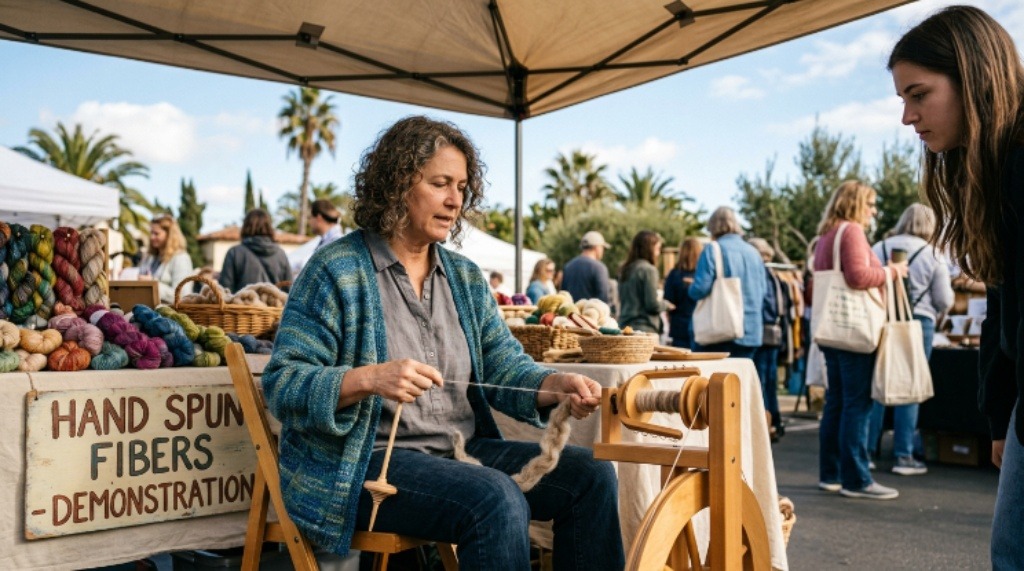
Beginners can learn the basics of drop spindle spinning. More advanced attendees can explore wheel spinning techniques. Sessions also cover fiber selection, cleaning, and carding. These workshops are hands-on, and tools are often provided.
Natural Dyeing
Natural dye workshops are consistently among the most attended. You will learn how to use plants, berries, and other natural materials to color wool and yarn. Instructors walk you through mordanting, color development, and rinsing processes. The results are always beautiful and unique.
Weaving for All Levels
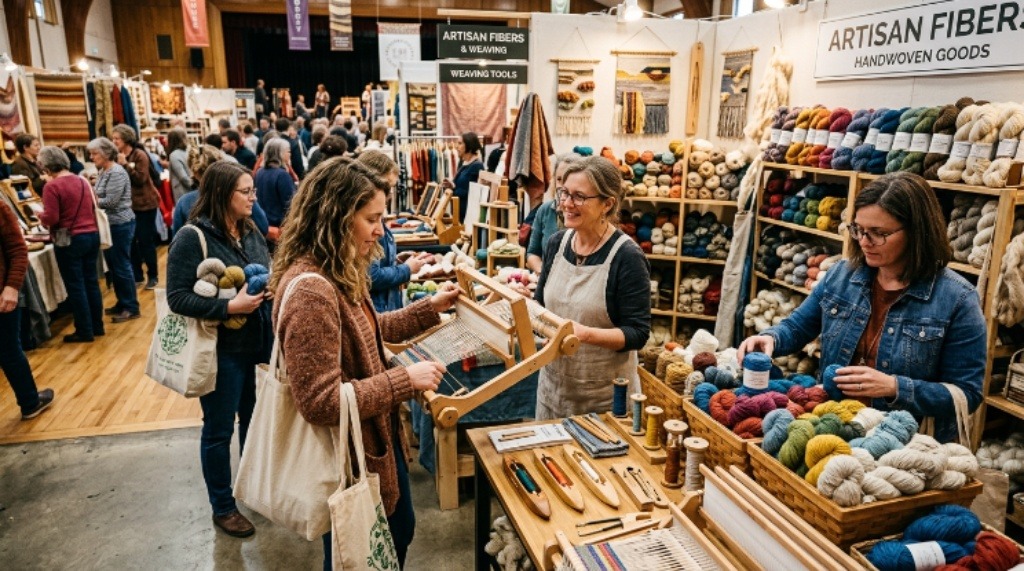
Weaving workshops range from simple rigid heddle projects to complex floor loom techniques. Beginners can complete a small woven piece during a single session. Advanced weavers can explore pattern drafting and color work.
Knitting and Crochet
These sessions focus on technique refinement rather than basic instruction. Topics include colorwork, lace knitting, tunisian crochet, and finishing methods. Instructors are experienced teachers who offer personalized guidance.
Specialty Workshops
Each year, a handful of specialty workshops are introduced. In 2026, topics may include felting with exotic fibers, Saori weaving philosophy, and sustainable fiber sourcing. These limited-seat sessions sell out the fastest.
Featured Fiber Artists
The SoCal Fiber Fair 2026 will highlight a curated selection of talented fiber artists. Their work will be on display throughout the weekend. Many will also offer demonstrations at their booths or in dedicated gallery spaces.
Visitors can watch artists at work, ask questions, and purchase original pieces directly. This is a wonderful opportunity to connect with makers whose work you may have admired online. However, keep in mind that many pieces are one-of-a-kind. If something catches your eye, do not wait too long to decide.
Artists at the fair work in diverse media, including hand-woven tapestries, sculptural fiber installations, hand-dyed skeins, and intricately knitted garments. The gallery section of the fair offers a peaceful space to appreciate textile arts as fine art.
Vendors and the Shopping Floor
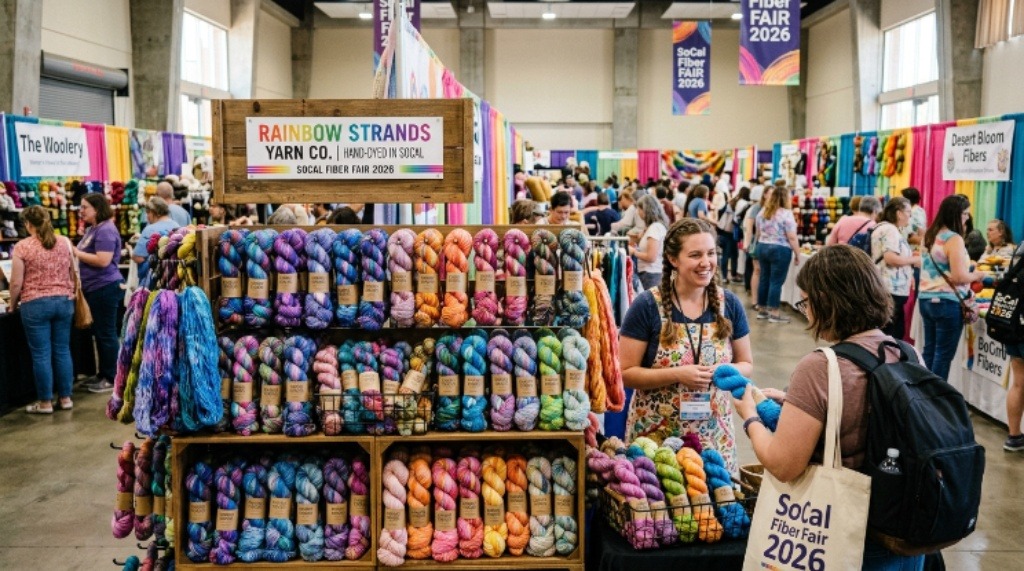
The shopping floor is a highlight for many attendees. Dozens of independent vendors set up beautifully curated booths across the event hall. You will find products that are hard to come by anywhere else.
What You Can Expect to Find
- Hand-dyed yarn in small-batch colorways
- Locally sourced and ethically produced fiber (wool, alpaca, silk, linen, cotton)
- Spinning wheels, drop spindles, and accessories
- Weaving looms, shuttles, and heddles
- Knitting needles, crochet hooks, and notions
- Pattern collections and fiber arts books
- Finished goods, including garments, accessories, and home decor
- Natural dye kits and mordanting supplies
Tips for Shopping Smart
Shopping at the fair requires a little strategy. First, arrive early on the first day to see the full selection before popular items sell out. Additionally, bring cash as a backup. While most vendors accept card payments, some smaller booths may not.
Walk the entire floor before making large purchases. This helps you compare quality and pricing. However, if you find something truly special at a fair price, do not hesitate. Unique handmade items rarely appear twice.
Consider bringing a sturdy tote bag or rolling cart. After a few hours of shopping, your arms will thank you. Many vendors also offer shipping for larger or heavier purchases.
Planning Your Visit: Day-by-Day Breakdown
Both days of the fair offer a full schedule of activities. However, each day has its own rhythm.
| Day | Highlights | Best For |
| Saturday, Nov 21 | Opening day, full vendor floor, morning workshops | First-timers, shoppers |
| Sunday, Nov 22 | Artist talks, closing demos, last-chance shopping | Learners, community seekers |
Saturday tends to be the busier of the two days. Arrive at opening if possible. Sunday is generally a bit more relaxed, making it ideal for attending talks and lingering at demonstrations.
What to Wear and Bring
Comfortable clothing is key. You will be on your feet for most of the day. Layers are a smart choice since event venues can shift in temperature as the day progresses.
Here is a simple packing list to keep in mind:
- Comfortable walking shoes
- Reusable tote bag or cart
- Cash and cards for purchases
- A small notebook for writing down vendor names or class notes
- Water bottle and snacks
- A camera or fully charged phone for photos
- Your personal fiber tools if attending hands-on workshops
Parking, Transit, and Accessibility
The fair will provide detailed venue and parking information closer to the event date. However, it is always wise to plan ahead. Carpooling with fellow fiber enthusiasts is a popular and practical option. It also makes for a fun road trip experience.
Accessibility is a priority at the SoCal Fiber Fair. The venue is expected to be fully accessible for attendees with mobility needs. Organizers are committed to making the event inclusive and welcoming for everyone.
Community and Connections
Beyond the classes and vendors, the fair is a place for community. Many attendees return year after year not just for the shopping, but for the people they meet. Fiber arts can be a solitary hobby, so events like this provide a rare chance to connect in person.
Local guilds and fiber arts groups often have tables at the fair. Joining a guild is a wonderful way to stay connected to the community throughout the year. Therefore, stop by guild tables and learn what your local fiber community has to offer.
Social media also plays a role. Many attendees share their hauls, class projects, and vendor discoveries online. Following the official fair hashtag during and after the event is a great way to stay connected and see the weekend through others’ eyes.
Conclusion
The SoCal Fiber Fair 2026, taking place on November 21 and 22, is shaping up to be an unforgettable celebration of textile arts. Whether you come to shop, learn, create, or connect, the fair offers something meaningful for everyone. Plan your tickets and workshop registrations early to secure your spot. Come with curiosity and leave with new skills, beautiful materials, and friendships that last well beyond the weekend. Southern California’s fiber arts community is vibrant, generous, and growing — and this fair is proof of that.
Frequently Asked Questions
When and where is the SoCal Fiber Fair 2026 held?
The SoCal Fiber Fair 2026 takes place on November 21 and 22, 2026, in Southern California. The specific venue address will be confirmed and announced on the official event website closer to the date.
Do I need to buy tickets in advance?
Advance ticket purchase is strongly recommended, especially if you plan to attend workshops. General admission tickets may be available at the door, but workshop seats are strictly limited and sell out quickly.
Are the workshops suitable for complete beginners?
Many workshops are designed specifically for beginners. The class descriptions on the event website will indicate skill level requirements so you can choose sessions that match your experience.
Can I bring children to the fair?
Yes, the fair is family-friendly. Children who are accompanied by an adult are welcome. Some workshops may have age restrictions, so it is best to check individual class requirements before registering younger attendees.
Is there food available at the event?
Most years, the fair includes food vendors or nearby dining options. However, bringing your own snacks and a water bottle is always a good idea, especially if you have dietary restrictions or want to maximize your time on the floor.