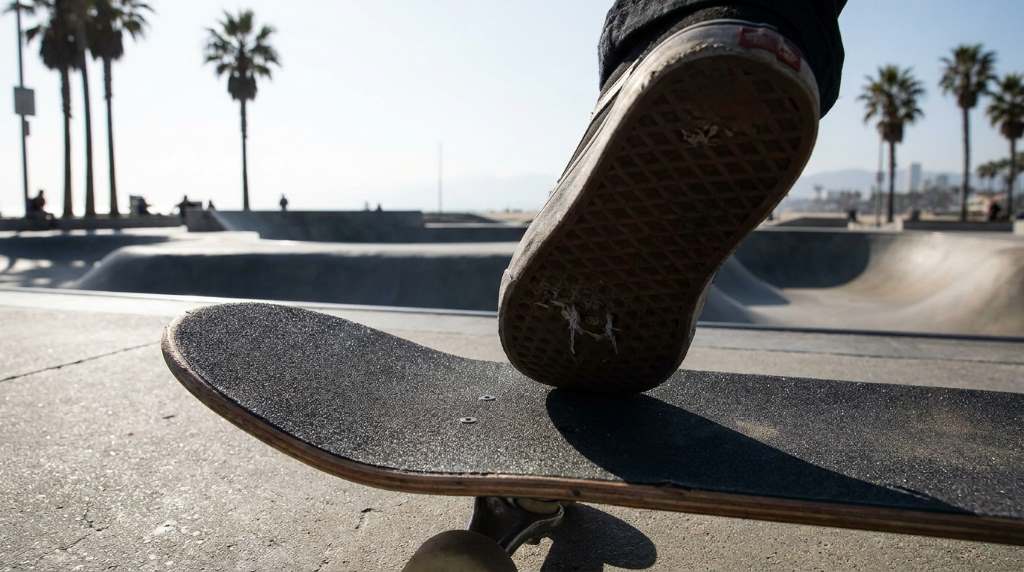
Yes, skateboard grip can ruin shoe soles quickly in Los Angeles, especially during frequent street sessions. Most skateboard grip uses abrasive surfaces, while many skate shoes use rubber outsoles under 5 mm thick. Heat, concrete, repeated foot movement, and rough grip compound the damage. Choosing suitable footwear, adjusting technique, and rotating shoes can significantly slow outsole wear. The right approach also helps you choose among the top skate shoe brands more intelligently.
Why Los Angeles Conditions Accelerate Sole Wear
Los Angeles creates a particularly demanding environment for skateboard footwear. Dry weather, warm pavement, rough concrete, and constant skating create several sources of abrasion simultaneously.
Grip tape already acts like coarse sandpaper against rubber. However, outdoor surfaces around Los Angeles can increase friction and accelerate the same wear from another direction.
During a normal session, your shoe repeatedly contacts the grip while your foot shifts position. Every adjustment removes tiny amounts of outsole rubber and exposed upper material.
Beginners often experience faster damage because they drag their feet during balance corrections. Therefore, improving technique can protect shoes without changing equipment.
Los Angeles also offers extensive street skating opportunities across sidewalks, plazas, parking structures, and skateparks. Consequently, skaters often accumulate more abrasive contact during longer sessions.
Warm pavement can soften some rubber compounds slightly, which may increase material loss under friction. Although temperature alone does not destroy soles, repeated heat and abrasion can accelerate deterioration.
Humidity also matters less than many skaters assume. Instead, surface roughness, grip texture, skating frequency, foot pressure, and rubber formulation usually matter more.
Understanding those factors makes shoe wear easier to control. More importantly, it prevents you from blaming grip tape for every damaged sole.
How Grip Tape Actually Damages Shoe Soles
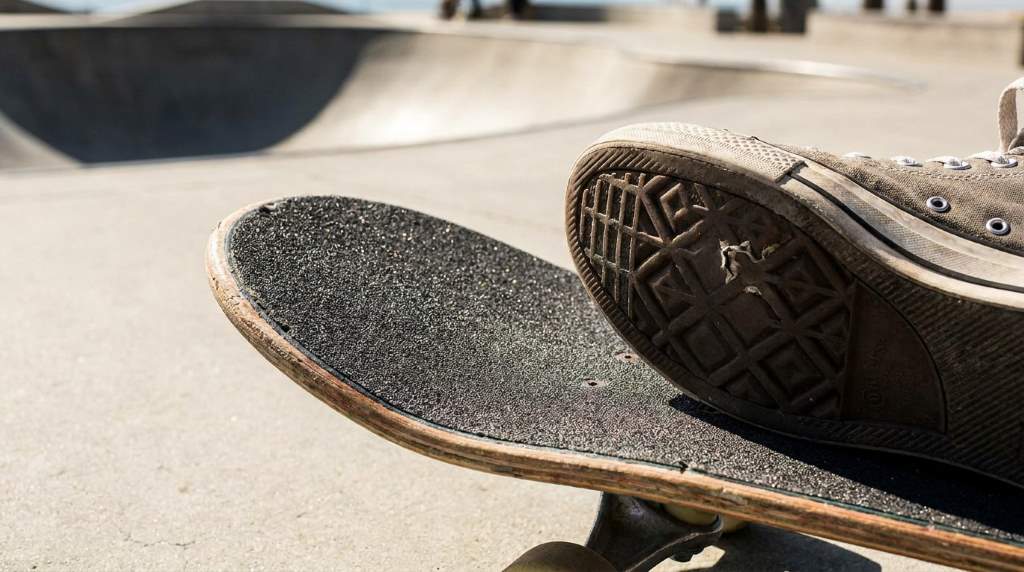
Grip tape damages footwear through repeated mechanical abrasion rather than one dramatic event. The rough surface catches rubber whenever your foot pivots, slides, or adjusts.
For a closer look at beginner technique, this easy to learn skateboard guide can help explain why foot control matters.
Think about a kickflip, for example. Your front foot moves across the board while your shoe presses firmly against abrasive grip.
That motion creates friction across a concentrated area of the sole. Eventually, the rubber becomes thinner, smoother, and less capable of absorbing impact.
Skaters also create wear through repeated foot braking and repositioning. These movements can produce concentrated abrasion even during relatively short sessions.
Three Wear Zones Deserve Attention
Not every part of your outsole experiences equal punishment. Usually, the heel, forefoot, and edges around pivot points show damage first.
Watch for these common wear zones:
- Forefoot: Repeated flicking and sliding can thin rubber around the toe area.
- Heel: Foot braking and repositioning can grind down heel rubber quickly.
- Outer edge: Pivoting places heavy pressure against small outsole sections.
- Toe area: Flip tricks can create additional friction near the front.
- Flex points: Repeated bending can expose seams as surrounding rubber wears.
Once these zones become thin, the shoe can lose structural support. Therefore, early inspection can prevent a small wear spot from becoming a major failure.
Why Skate Shoe Construction Matters
Grip tape does not affect every shoe equally. Shoe construction determines how effectively the outsole and upper resist repeated friction.
A complete complete skateboard gear setup should include footwear suited to your skating style. The board, trucks, wheels, and shoes all influence how much pressure reaches your feet.
Vulcanized shoes typically offer strong board feel and flexible construction. However, their thinner soles may wear faster when skaters perform frequent flip tricks.
Cupsole designs generally provide thicker construction and stronger impact protection. They can also offer more material between your foot and abrasive surfaces.
Still, thicker does not automatically mean better. A poorly matched shoe can feel restrictive, reduce board control, or encourage inefficient foot movement.
Rubber Compound Makes a Difference
Outsole rubber varies considerably between skate shoes. Manufacturers balance grip, flexibility, durability, weight, and board feel when selecting compounds.
Softer rubber can provide excellent traction and board sensitivity. However, aggressive grip tape can remove softer material more quickly during repeated movements.
Harder rubber may resist abrasion better during long sessions. Nevertheless, excessive hardness can change how the shoe feels during technical tricks.
Therefore, experienced skaters should match rubber characteristics with their skating frequency. Someone skating five days weekly needs different priorities than an occasional weekend rider.
How Your Skateboarding Technique Affects Sole Life
Your technique can either protect your shoes or accelerate their destruction. Small changes in foot placement can dramatically reduce unnecessary friction.
Many beginners develop inefficient movements while learning tricks. This problem becomes clearer when reviewing common skateboard stance mistakes during repeated practice.
For example, excessive foot pressure can force the outsole harder against grip. That extra pressure increases friction without necessarily improving trick control.
Instead, use controlled pressure and deliberate foot movement. Your shoes should guide the board rather than constantly scrape against it.
Reduce Unnecessary Drag
Start by watching how your feet move during basic tricks. Record a short session if possible, then inspect unnecessary dragging or repeated repositioning.
Focus on these technique adjustments:
- Lift slightly before repositioning your foot.
- Use controlled pressure during flicking motions.
- Avoid dragging the sole during balance corrections.
- Keep your stance stable before initiating tricks.
- Practice difficult movements at moderate speed first.
These changes can reduce abrasion while improving consistency. Furthermore, better technique often makes tricks feel smoother and less physically demanding.
How to Make Skateboard Shoes Last Longer
You cannot eliminate grip-related wear completely. However, you can slow it considerably with maintenance, rotation, and appropriate shoe selection.
First, inspect your shoes after demanding sessions. Look for exposed stitching, thinning rubber, separated soles, and unusually smooth sections.
Next, rotate between two suitable pairs when your schedule allows. Alternating shoes gives materials more recovery time between intensive sessions.
Use skate shoes specifically designed for abrasion whenever possible. Casual sneakers often lack reinforced areas that protect against repeated grip contact.
Use Shoe Repair Before Damage Spreads
Small outsole problems deserve attention before they become structural failures. Shoe adhesive can sometimes reinforce minor separation around edges and seams.
However, adhesive cannot replace missing structural rubber. Once your outsole becomes dangerously thin, replacement provides a safer and more reliable solution.
Some skaters use shoe repair compounds around high-wear areas. These products can extend footwear life when applied early and allowed to cure properly.
Never apply random household chemicals to rubber. Certain solvents can weaken adhesives, alter rubber properties, or damage synthetic materials.
How to Choose Shoes for Los Angeles Skate Sessions
Choosing footwear requires more than finding the toughest outsole available. Consider your skating style, session frequency, preferred tricks, and local surfaces.
Street skaters often need strong abrasion resistance because concrete and rough pavement create demanding conditions. Park skaters may prioritize flexibility, impact protection, and board feel.
Technical skaters should pay particular attention to flick zones. Reinforced toe areas can reduce premature upper and outsole damage during repeated flip tricks.
Heavy skaters may benefit from additional cushioning and durable cupsole construction. However, fit should remain secure without creating excessive pressure points.
Check These Features Before Buying
Look for construction features that directly address your skating demands. Avoid choosing shoes based solely on appearance or brand popularity.
- Outsole: Look for durable rubber with suitable traction.
- Toe protection: Reinforcement helps resist repeated flick abrasion.
- Stitching: Dense stitching can improve durability around stressed areas.
- Midsole: Adequate cushioning helps manage repeated pavement impacts.
- Fit: Secure heel and forefoot positioning reduce unnecessary movement.
- Board feel: Choose enough flexibility for your preferred skating style.
Also examine outsole patterns rather than judging thickness alone. A well-designed tread can distribute pressure more effectively during repeated movements.
When Grip Tape Itself Becomes the Problem
Sometimes footwear wears unusually fast because the grip tape creates excessive abrasion. Different grip products can vary significantly in texture and aggressiveness.
Very coarse grip may provide exceptional traction for technical skating. However, that same aggressive texture can increase shoe wear during frequent foot movement.
If several shoes develop identical damage unusually quickly, inspect your grip tape. The pattern may reveal whether friction concentrates around specific sections.
Replace worn or damaged grip when necessary. Old grip can develop uneven areas that create inconsistent friction and unwanted pressure points.
Balance Traction Against Durability
Maximum grip does not always produce maximum performance. Excessive traction can sometimes restrict smooth foot movement during certain techniques.
Choose grip according to your skating needs rather than automatically selecting the roughest option. A balanced surface can provide control without unnecessary abrasion.
Experienced skaters often develop personal preferences through repeated sessions. Therefore, testing different grip textures can reveal what works best for your footwear and technique.
A Practical Shoe-Saving Routine for Frequent Skaters
Build a simple routine around inspection, cleaning, rotation, and technique. Consistency matters more than complicated maintenance products.
After each session, remove dirt from the outsole and upper using a suitable brush. Clean footwear generally makes wear patterns easier to identify.
Then inspect the toe, heel, edges, and stitching. Marking early damage helps you decide whether repair or replacement makes more sense.
Allow wet shoes to dry naturally before another session. Avoid intense direct heat because excessive heat can damage adhesives and synthetic materials.
Finally, rotate footwear according to session intensity. Reserve your most durable pair for demanding tricks and rough outdoor locations.
Simple Weekly Check
Once weekly, compare both shoes side by side. Uneven wear can reveal stance habits that place excessive pressure on one foot.
Check these areas:
- Toe rubber: Look for thinning or exposed material.
- Heel rubber: Check for uneven flattening.
- Sidewall: Watch for grip-related abrasion.
- Stitching: Inspect loose or exposed threads.
- Sole bond: Look for separation around the edges.
This inspection takes only a few minutes. Nevertheless, it can prevent unexpected failures during an important skating session.
When You Should Replace Your Skate Shoes
Sole appearance alone should not determine replacement timing. Functional performance matters more than cosmetic scuffing.
Replace shoes when the outsole loses meaningful traction or cushioning. You should also replace them when structural separation exposes vulnerable areas.
Do not continue skating in shoes with major sole separation. Reduced stability can change foot placement and increase the chance of losing board control.
Similarly, exposed stitching deserves attention because grip can catch vulnerable threads. Early replacement often costs less than repairing extensive structural damage.
Frequent skaters should budget for predictable footwear replacement. Treat shoes as performance equipment rather than ordinary casual sneakers.
Key Takeaways
- Grip tape can rapidly abrade rubber through repeated foot movement.
- Los Angeles pavement can increase overall friction during street sessions.
- Technique affects shoe wear as much as equipment selection.
- Vulcanized and cupsole shoes offer different durability and board-feel advantages.
- Regular inspections can catch damage before structural failure develops.
- Rotating suitable skate shoes can extend the usable life of each pair.
Conclusion
Skateboard grip ruins soles fast because repeated friction removes rubber from concentrated contact zones. Los Angeles conditions can intensify that process through rough pavement, frequent outdoor skating, and warm surfaces.
The best solution combines durable footwear, controlled technique, suitable grip, and regular inspection. Start by checking your wear pattern and reducing unnecessary foot drag during every session.
Then choose skate shoes that match your skating style and practice frequency. Take action now, because preventing premature wear costs less than replacing damaged shoes repeatedly.
FAQs
Why does skateboard grip wear shoe soles?
Grip tape uses an abrasive surface that removes outsole rubber through repeated friction during skating movements.
Does rough grip tape damage shoes faster?
Yes, highly abrasive grip generally creates greater friction and can accelerate footwear wear during frequent foot movement.
Are cupsole shoes better for grip durability?
Cupsole shoes often provide thicker construction, but rubber compound and skating technique still strongly influence durability.
How can I reduce skateboard shoe wear?
Use durable skate shoes, reduce unnecessary dragging, rotate pairs, and inspect high-wear areas regularly.
When should I replace skateboard shoes?
Replace them when worn rubber, separation, exposed stitching, or reduced stability compromises skating performance.