Living in Florida presents a unique set of challenges for anyone who relies on wheels whether that’s a longboard cruising the beachfront, a bicycle commuting through downtown Miami, or industrial equipment operating in humid coastal conditions. The combination of heat, humidity, salt air, and frequent afternoon downpours creates a perfect storm for corrosion, grit buildup, and increased rolling resistance. If you’ve noticed your bearings feeling sluggish or grinding after just a few weeks, the culprit isn’t just wear and tear it’s the environment. The solution many riders and mechanics are turning to is ceramic grease, a high-performance lubricant designed to minimize friction and withstand extreme conditions. This guide breaks down exactly how to use ceramic grease to reduce friction in Florida’s demanding climate, what to look for in a quality product, and how to apply it correctly for lasting results.
Why Florida’s Climate Demands a Different Lubrication Strategy
Standard petroleum-based greases often break down quickly in Florida’s subtropical environment. High ambient temperatures cause conventional oils to thin out and migrate away from the bearing surfaces, leaving metal parts unprotected. Meanwhile, the high humidity introduces moisture that can wash out lubricant and initiate rust almost overnight. Add salt air from the coast, and you have a recipe for accelerated bearing wear.
Ceramic grease is engineered to address these exact problems. Unlike traditional lithium or polyurea greases, ceramic formulas use synthetic base oils combined with ceramic or boron nitride micro-particles. These particles act like microscopic ball bearings themselves, filling in surface irregularities on metal races and rolling elements. The result is a smoother rolling surface, reduced heat generation, and a barrier that repels water far more effectively than standard options. For anyone dealing with the unique friction challenges of Florida, switching to a ceramic-based lubricant is less of a luxury and more of a practical necessity.
What Is Ceramic Grease and How Does It Reduce Friction?
Ceramic grease is a specialized lubricant that uses a synthetic base oil typically polyalphaolefin (PAO) or ester-based thickened with a complex soap or silica thickener. What sets it apart is the addition of micro-ceramic particles, usually boron nitride or similar compounds. These particles are extremely hard, chemically stable, and have a low coefficient of friction.
When applied to bearings, the grease performs two critical functions. First, the synthetic base oil provides a durable fluid film that separates moving metal surfaces, preventing direct metal-on-metal contact. Second, the ceramic particles fill microscopic voids and imperfections in the bearing races. This creates a smoother surface profile, which means the rolling elements don’t have to work as hard to overcome surface roughness. The practical result is lower rolling resistance, cooler operating temperatures, and a noticeable improvement in how freely wheels spin.
Mastering Thermal Stability and Bearing Micro-Polishing
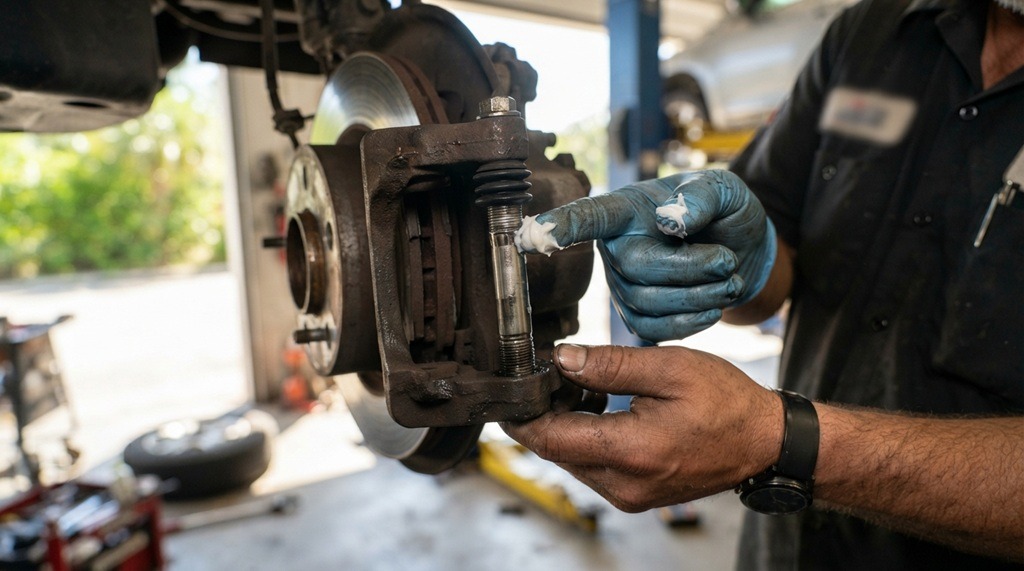
Friction within a bearing assembly stems from two distinct mechanics: fluid friction caused by the viscous drag of the lubricant, and solid friction generated when rolling elements contact the raceway. Standard heavy greases generate significant fluid drag particularly at lower starting temperatures and break down under extreme heat. In contrast, ceramic grease utilizes a synthetic base oil engineered to maintain structural viscosity across extreme temperature shifts, preventing drag during cool morning starts and avoiding fluid breakdown under high afternoon heat. Furthermore, suspended ceramic micro-particles act as a continuous micro-polishing agent. As the bearing rotates, these ultra-hard particles smooth microscopic surface imperfections along the raceway without eroding the component, progressively refining the metal interface for lower mechanical drag over time. Beyond internal bearing dynamics, minimizing mechanical drag across all moving assemblies plays a critical role in overall vehicle performance. Ensuring your braking components are correctly lubricated reduces unnecessary rotational resistance, making it an essential baseline before implementing these must-know car fuel efficiency hacks for city driving to achieve maximum fuel economy.
Choosing the Right Ceramic Grease for Your Application
Not all ceramic greases are created equal, and the best choice depends heavily on what you’re lubricating. A skateboard bearing spinning at high RPM with light load has different requirements than a bicycle hub bearing supporting a rider’s weight or an industrial motor running continuously.
For high-speed, low-load applications like skateboard or roller skate bearings, you want a grease with a lighter viscosity and a high dropping point. This ensures the grease stays in place without creating drag. For bicycle hubs and bottom brackets, you need a grease that can handle higher loads and resist water ingress, especially if you ride in wet conditions. For industrial equipment, you’ll need to consider extreme pressure (EP) additives and long-term thermal stability.
Key Specifications to Look For
When evaluating different ceramic greases, pay attention to a few critical specifications:
- Dropping Point: The temperature at which the grease melts and runs off. Look for a dropping point above 500°F (260°C) for Florida summer conditions.
- Base Oil Viscosity: Measured in centistokes (cSt). For general-purpose use, a viscosity of 40-100 cSt at 40°C is versatile. Lower for high-speed bearings, higher for heavy loads.
- Water Resistance: A rating of 1-2 on the ASTM D1264 test is ideal for humid and wet environments.
- NLGI Grade: This indicates the thickness of the grease. Grade 2 is the most common and works well for most applications. Grade 1 is softer, Grade 3 is firmer.
For those who need a reliable option that handles Florida’s unique combination of heat and humidity, checking a resource like ceramic grease friction Florida can provide specific product recommendations tailored to local conditions.
Step-by-Step Guide to Applying Ceramic Grease
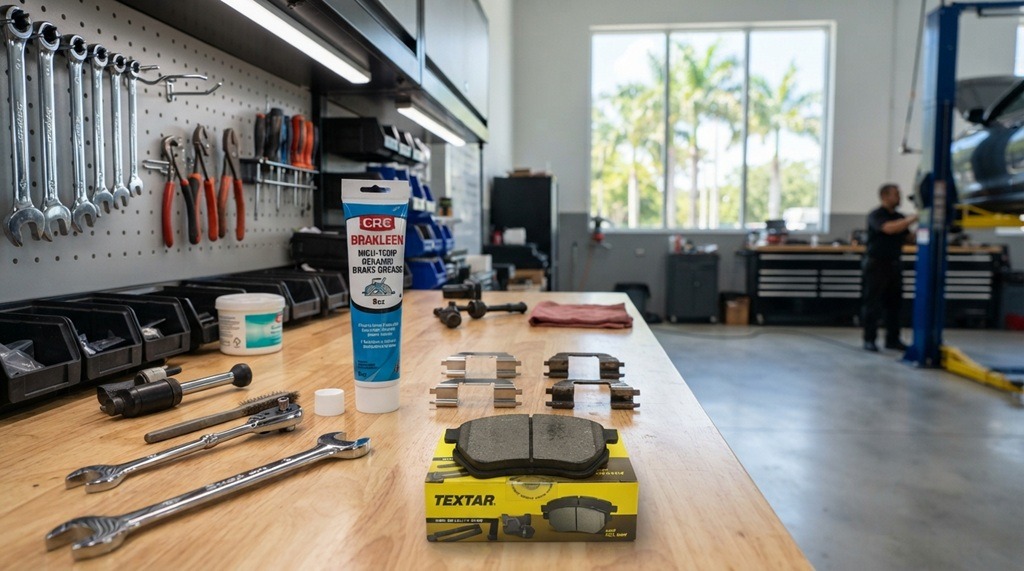
Proper application is just as important as the grease itself. Applying too much, too little, or contaminating the grease during application can negate its benefits. Here is a practical guide to getting the most out of your ceramic grease.
Step 1: Complete Disassembly and Cleaning
Before applying new grease, you must remove all old lubricant and debris. Use a bearing cleaner or a degreaser like isopropyl alcohol (90% or higher). Place the bearings in a small container, cover them with cleaner, and shake gently. Repeat until the solvent remains clear. Allow the bearings to dry completely. Any residual solvent will dilute the new grease and wash it out.
Step 2: Apply the Correct Amount
Contrary to popular belief, more grease is not better. Over-packing a bearing creates internal drag as the rolling elements churn through excess grease. This increases operating temperature and actually increases friction. The ideal fill is about 30-40% of the free space inside the bearing. For a standard 608 skateboard bearing, this is roughly a pea-sized amount. For larger bicycle hub bearings, you may need slightly more, but the principle remains the same.
Step 3: Work the Grease In
After applying the grease, spin the bearing slowly by hand. This distributes the grease evenly around the races and rolling elements. You should see a thin, even film coating all internal surfaces. If you see thick globs, you’ve used too much. Remove the excess and spin again.
Step 4: Proper Reassembly
When reinstalling bearings, ensure your hands are clean and free of dirt. Use a lint-free cloth to wipe the outside of the bearing before insertion. This prevents contaminants from being introduced into the freshly greased internals. For sealed bearings, ensure the seals are seated properly and not damaged during removal or installation.
Common Mistakes That Increase Friction
Even with high-quality ceramic grease, several common errors can lead to increased friction and premature bearing failure. Being aware of these can save you time and money.
- Mixing Greases: Never mix ceramic grease with lithium or other soap-based greases. The thickeners are often incompatible and can cause the mixture to separate or harden, leading to bearing failure.
- Ignoring Seal Integrity: Ceramic grease is water-resistant, but it cannot work if the bearing seals are damaged. In Florida’s rainy season, water can enter through compromised seals and wash out the grease.
- Using Solvents That Leave Residue: Some citrus-based cleaners leave a film that can attract dirt. Always finish with a high-purity solvent like isopropyl alcohol to ensure a clean surface.
- Forgetting the Axle or Spindle: Friction isn’t only inside the bearing. Applying a thin coat of grease to the axle or spindle prevents seizing and makes future removal much easier.
When to Reapply Ceramic Grease in Florida
Florida’s environment accelerates grease degradation. Even the best ceramic grease will eventually need replacement. The frequency depends on usage, exposure to water, and riding conditions.
For a daily commuter bicycle ridden in the rain, a full bearing repack every 3-4 months is a reasonable interval. For skateboards or longboards used primarily on dry days, you can extend this to every 6 months. Industrial equipment operating in a humid, non-climate-controlled environment should be inspected monthly for signs of grease breakdown, such as darkening, separation, or a gritty feel.
Pay attention to how your equipment feels. If you notice increased rolling resistance, unusual noise, or heat coming from the hub, it’s time to inspect and likely re-grease. Waiting too long can lead to metal-on-metal contact, which generates heat and causes permanent damage to the bearing races.
Comparing Ceramic Grease to Other Lubricants
To understand the value of ceramic grease, it helps to see how it stacks up against other common options. The table below highlights the key differences for Florida-specific conditions.
| Lubricant Type | Water Resistance | Temperature Stability | Friction Reduction | Best Use Case |
|---|---|---|---|---|
| Ceramic Grease | Excellent | Excellent (High dropping point) | Superior (Ceramic particles) | High-performance bearings, wet/humid climates |
| Lithium Grease | Good | Moderate | Good | General automotive, dry conditions |
| White Lithium Grease | Moderate | Moderate | Moderate | Metal-on-metal, garage door tracks |
| Wet Lube (Chain) | Excellent | N/A (for chains) | Good | Bicycle chains in wet conditions |
| Dry Lube (Chain) | Poor | N/A (for chains) | Good | Bicycle chains in dry, dusty conditions |
As the table shows, ceramic grease offers the best combination of water resistance and temperature stability, making it the most reliable choice for Florida’s challenging environment.
Frequently Asked Questions
Can I use ceramic grease on my bicycle chain?
While you can technically use ceramic grease on a chain, it is not recommended. Chains require a lubricant that can penetrate the inner pins and bushings. Grease is too thick to penetrate effectively and will attract dirt and grit, turning into a grinding paste. Use a dedicated chain lubricant instead.
Is ceramic grease safe for all bearing types?
Yes, ceramic grease is safe for steel, ceramic, and hybrid ceramic bearings. It is compatible with standard bearing seals made of rubber or metal. However, always check the manufacturer’s recommendations for your specific equipment, especially for high-precision industrial machinery.
How often should I repack my bearings with ceramic grease in Florida?
For bicycles used regularly in wet conditions, every 3-4 months is a good interval. For skateboards or less frequently used equipment, every 6 months is sufficient. Always inspect bearings for contamination or grease breakdown and re-grease as needed.
Does ceramic grease actually make my wheels spin faster?
Ceramic grease reduces friction, which means less energy is lost to heat and resistance. This translates to a free-spinning wheel that maintains speed longer. However, the difference is more noticeable in high-precision bearings and under load, rather than just spinning the wheel by hand.
Can I mix ceramic grease with other greases?
No, you should never mix ceramic grease with other types of grease. Different thickeners (lithium, polyurea, etc.) are not chemically compatible. Mixing them can cause the grease to separate, harden, or lose its lubricating properties, leading to bearing failure.
Conclusion
Reducing friction in Florida’s harsh climate requires more than just routine maintenance it requires the right materials and techniques. Ceramic grease offers a significant advantage over conventional lubricants by providing superior water resistance, thermal stability, and a lower coefficient of friction. By choosing a high-quality ceramic grease, applying it correctly at a 30-40% fill rate, and maintaining a regular reapplication schedule, you can keep your bearings rolling smoothly, extend their lifespan, and enjoy a more efficient ride or operation. Don’t let Florida’s heat and humidity slow you down; make the switch to ceramic grease and feel the difference in every rotation.