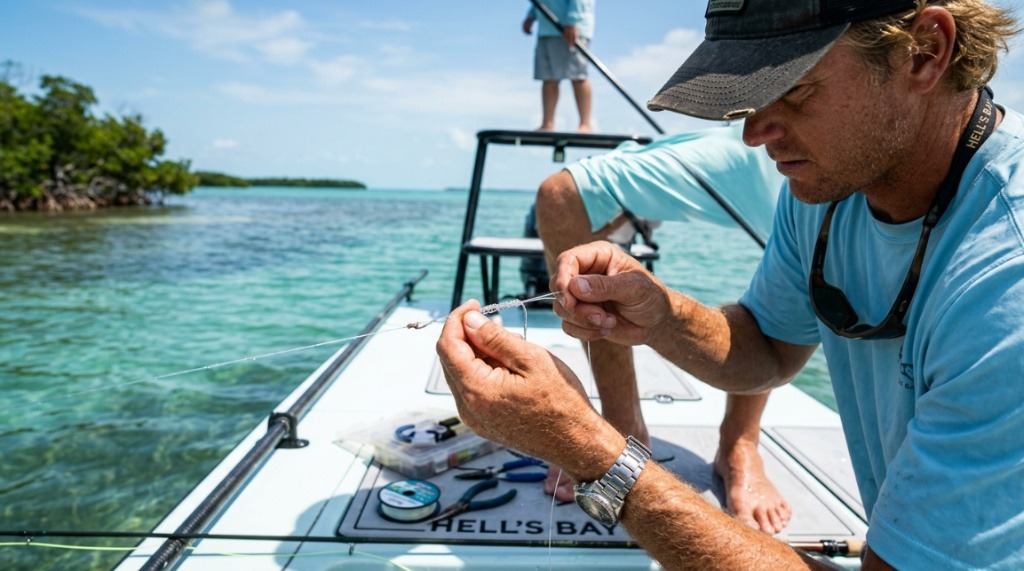
Fishing in Florida is a completely different animal than fishing almost anywhere else in the country. Between the relentless sun, the brackish backwaters, the offshore reefs, and the sheer variety of species, your gear takes a beating in ways you might not expect. If you show up with the wrong setup, you’ll spend more time untangling line and swapping out corroded gear than actually fighting fish. The challenge isn’t finding gear—it’s finding the right gear that survives the unique conditions of the Sunshine State. This guide breaks down exactly what you need to prioritize, what you can skip, and how to make smart choices that hold up trip after trip. Whether you’re wading the flats for redfish or chasing snapper offshore, these essential Florida fishing accessories will keep you on the water longer and fishing smarter.
Why Florida Fishing Demands a Different Gear Strategy
Florida’s environment is uniquely brutal on fishing equipment. The combination of high humidity, salt spray, and intense UV radiation accelerates corrosion and material breakdown. A rod that works fine for years in a freshwater lake might only last a season here if you don’t choose wisely. Understanding this reality shapes every gear decision you make.
Saltwater is the primary culprit. It’s not just the water itself—it’s the salt-laden air that settles on everything, even when you’re not fishing. Reels left in a rod holder for an afternoon can develop corrosion on the line roller and bail arm. Additionally, Florida’s shallow flats mean you’re often fishing in water that’s only a foot or two deep, which requires different line management and stealth approaches than deeper water fishing.
The Corrosion Factor You Can’t Ignore
When selecting gear, look for components that explicitly resist saltwater corrosion. This means sealed drag systems, stainless steel hardware, and anodized aluminum bodies. If a product description doesn’t mention saltwater resistance, it’s probably not designed for Florida conditions. Cheap pliers and tackle boxes that work fine in freshwater will rust out quickly here, so investing in corrosion-resistant versions from the start actually saves money in the long run.
Must-Have Accessories for Every Florida Angler
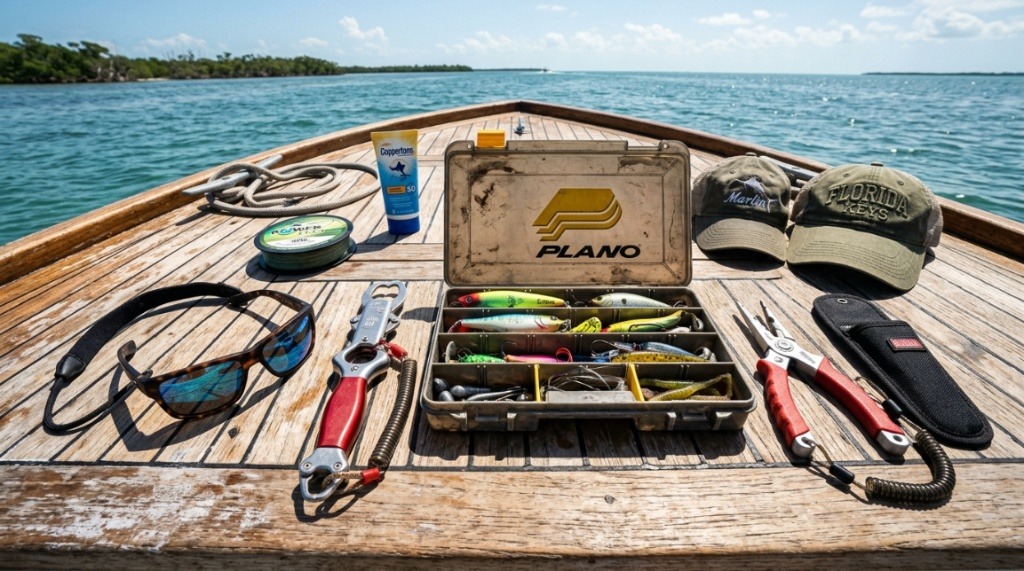
While rods, reels, and line are the obvious essentials, the accessories you carry determine how smoothly your day goes. These are the items that solve problems before they happen and make the difference between a frustrating outing and a productive one.
Sun Protection That Actually Works
The Florida sun is relentless, and the reflection off the water intensifies exposure. Sun protection isn’t just about comfort—it’s a safety necessity. A quality buff or neck gaiter protects the back of your neck and face, areas that get burned even when you’re wearing a hat. Look for UPF 50+ rated clothing that’s lightweight and quick-drying. Avoid cotton, which stays wet and heavy. A good pair of polarized sunglasses is non-negotiable, not just for eye protection but for spotting fish in the glare. The polarization cuts through the surface reflection, letting you see redfish tails and trout shadows before you cast.
Leaders and Line Management Tools
Florida fish have sharp eyes and sharper teeth. Fluorocarbon leaders are essential for nearly every type of fishing here, from sight casting to bottom fishing. The key is carrying a range of leader strengths so you can adapt to changing conditions. A 20-pound leader works for most inshore species, but you’ll want 30-40 pound for snook around docks and 50-80 pound for shark or tarpon. A good line cutter that clips onto your shirt or vest saves time and frustration. You’ll also want a quality pair of braid scissors—regular scissors dull quickly on superline.
Practical Tackle Storage Solutions
Your tackle box needs to work in a hot, humid environment. Plastic tackle boxes with multiple compartments are fine, but consider waterproof versions. The humidity causes hooks and jig heads to rust even inside a closed box. Silica gel packs inside your tackle box absorb moisture and dramatically extend the life of your terminal tackle. For wading anglers, a hip pack or waist pack keeps essentials accessible without dragging in the water. For boat anglers, a soft-sided tackle bag with individual boxes is easier to organize and carry than a hard box.
How to Choose the Right Line for Florida Waters
Line selection is one of the most debated topics among Florida anglers, and for good reason. The right line improves casting distance, sensitivity, and hook-setting power. The wrong line costs you fish and time.
Braid vs. Monofilament vs. Fluorocarbon
Braided line is the most popular choice for Florida inshore and offshore fishing because of its thin diameter, high strength, and zero stretch. It casts farther and lets you feel even subtle bites. However, braid is visible to fish in clear water, which is why a fluorocarbon leader is necessary. Monofilament still has its place, particularly for topwater lures where its buoyancy and stretch help keep the lure working correctly. Fluorocarbon is the go-to for leader material because it’s nearly invisible underwater and abrasion-resistant, which matters when fish rub against oyster bars or dock pilings.
For most Florida fishing, a braided main line in the 15-30 pound range paired with a fluorocarbon leader is the most versatile setup. Adjust the line weight based on your target species and the structure you’re fishing around. Heavier line is necessary around heavy cover, while lighter line gets more bites in open water.
Tools That Save You Time and Money
Having the right tools on hand prevents lost fish and damaged gear. A few high-quality tools are worth more than a bag full of cheap ones that fail when you need them most.
Pliers and Cutters You Can Rely On
Corrosion-resistant pliers are essential for removing hooks from toothy fish like mackerel and bluefish. Look for pliers with a tungsten carbide cutter for braided line and a needle-nose tip for reaching deep hooks. A lanyard attached to your pliers keeps them from falling overboard—a common and expensive mistake. For larger fish, a set of jaw spreaders helps open a fish’s mouth safely to remove hooks without injuring the fish or yourself.
The Importance of a Quality Net
A rubber-coated net is a game-changer. The rubber mesh is gentler on fish, reducing slime loss and improving survival rates when you release fish. It also doesn’t snag hooks the way nylon mesh does, which saves time and frustration. For wading anglers, a smaller hand net that clips to your belt is practical. For boat anglers, a larger net with a telescoping handle gives you reach when fish are alongside the boat.
Specialized Accessories for Different Florida Fishing Styles
Florida offers diverse fishing opportunities, and each style has its own accessory requirements. Understanding what you need for your preferred style prevents you from carrying unnecessary gear.
Inshore and Flats Fishing Gear
Flats fishing is all about stealth and presentation. A push pole or power pole is essential for maneuvering in shallow water without spooking fish. A quality stripping basket keeps your fly line or braid organized when wading. For lure anglers, a selection of weedless jig heads and soft plastics is critical because you’re often casting into grass beds and around structure. A small waterproof pouch for your phone and keys keeps your valuables dry when you’re wading.
Offshore and Deep Sea Considerations
Offshore fishing requires heavier gear and additional safety considerations. A good fighting belt or harness distributes the strain of fighting large fish like grouper or amberjack. A gaff is necessary for landing fish you intend to keep, but it must be kept sharp and secured safely on deck. For deep dropping, an electric reel is a worthwhile investment that saves your arms and lets you fish deeper water more effectively. Don’t forget a quality cooler with good ice retention—it’s essential for keeping your catch fresh in the Florida heat.
Common Mistakes Florida Anglers Make
Even experienced anglers make mistakes with their gear choices. Being aware of these common pitfalls helps you avoid them.
Overlooking the Importance of Rinsing Gear
The single most important maintenance step is rinsing your gear with fresh water after every trip. Salt residue left on reels, rods, and tools causes corrosion that eventually ruins them. A simple spray down with a garden hose or a freshwater washdown on the boat takes two minutes and dramatically extends the life of your equipment. Pay special attention to the reel’s line roller, bail arm, and drag system, where salt tends to accumulate,If you are planning a family trip or introducing younger anglers to the sport, make sure to check out the Best Affordable Kids Fishing Pole for Beginners to keep the whole crew equipped and ready.
Using the Wrong Hook Size
Hook size matters more than most anglers realize. A hook that’s too large makes it hard for fish to take the bait naturally, resulting in missed bites. A hook that’s too small bends or straightens out on larger fish. Match your hook size to the bait you’re using and the size of fish you’re targeting. Circle hooks are required for many Florida reef fish because they hook fish in the corner of the mouth, reducing gut hooking and improving survival rates for released fish.
How to Maintain Your Accessories for Longevity
Proper maintenance is the difference between gear that lasts years and gear that fails after a few trips. A simple routine keeps everything working smoothly.
After each trip, rinse all gear with fresh water. For reels, use a reel cloth to wipe down the exterior and pay attention to the line roller. Periodically, apply a small amount of reel oil to the moving parts and a light grease to the gears. For tools and pliers, a silicone spray protects against corrosion and keeps the moving parts functioning smoothly. Store everything in a dry, shaded area—prolonged exposure to direct sunlight degrades rubber grips and plastic components.
Check your line regularly for nicks and abrasions. Florida’s structure—oyster bars, rocks, dock pilings—takes a toll on line. Retie your leaders frequently, especially after catching a fish or getting snagged. A few minutes of preventive maintenance saves you from losing a trophy fish to a weak spot in your line.
Frequently Asked Questions
What is the most important accessory for Florida fishing?
Polarized sunglasses are arguably the most important accessory. They protect your eyes from the intense sun and allow you to see fish and structure beneath the water’s surface. Without them, you’re fishing blind in many situations.
Do I need a specialized saltwater tackle box?
Not necessarily specialized, but you should use a waterproof or water-resistant tackle box. The humidity and occasional splashes cause standard tackle boxes to accumulate moisture, which rusts hooks and corrodes terminal tackle. Adding silica gel packs helps control moisture.
How often should I replace my fishing line in Florida?
Replace braided line every 6-12 months depending on usage. Replace monofilament and fluorocarbon leaders more frequently—after every trip or whenever you notice nicks, abrasions, or reduced strength. Florida’s structure and sun degrade line faster than in other environments.
Can I use freshwater fishing gear in saltwater?
You can, but it won’t last long. Freshwater gear lacks the corrosion-resistant components needed for saltwater exposure. The drag systems, bearings, and hardware will corrode quickly. If you plan to fish Florida regularly, invest in gear designed for saltwater use.
What’s the best way to protect my reels from salt damage?
Rinse your reels with fresh water after every trip, paying attention to the line roller and bail arm. Dry them with a cloth and apply a light reel oil to moving parts. Store reels in a dry place, and consider having them professionally serviced once a year.
Conclusion
Selecting the right Florida fishing accessories comes down to understanding the environment and choosing gear that withstands its challenges. Prioritize corrosion-resistant materials, sun protection, and tools that solve real problems on the water. A few high-quality, well-maintained accessories outperform a collection of cheap gear that fails when you need it most. Start with the basics—polarized sunglasses, a good leader system, reliable pliers, and proper line management tools—then build out your setup based on the specific fishing you do most. Rinse your gear after every trip, store it properly, and replace line and leaders regularly. With the right accessories and a solid maintenance routine, you’ll spend more time fishing and less time dealing with equipment failures. Get out there, be prepared, and enjoy everything Florida’s waters have to offer.