You’re staring at your overflowing gym bag, wondering how you’re going to fit your size 15 sneakers, a week’s worth of jerseys, a basketball, and your toiletries into one compact backpack. If you play hoops in the Lone Star State, you know the struggle of hauling gear from the truck to the court at local rec centers or high school gyms. The solution isn’t buying a larger duffel; it’s learning the smart packing techniques that maximize every cubic inch of your Texas basketball backpack.
Most players pack incorrectly, tossing items in randomly and wasting valuable space. This guide breaks down the exact, step-by-step process to fit everything—including your court shoes, compression gear, and even a basketball—into a specialized backpack with a shoe compartment. By the end, you’ll walk into any Texas gym with one organized bag, zero clutter, and everything you need for game night.
What Makes a Texas Basketball Backpack Different from a Standard Book Bag?
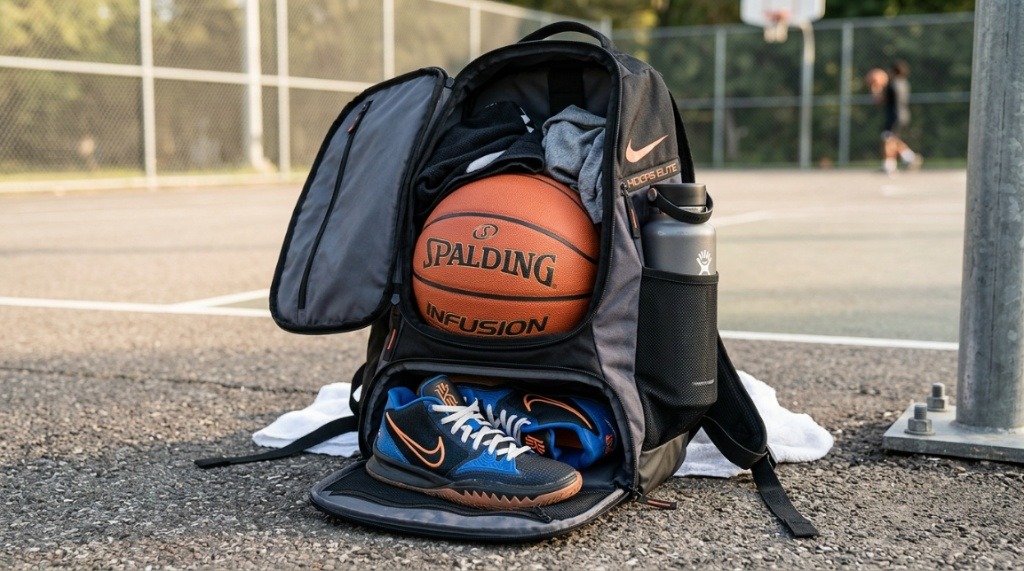
A standard school backpack lacks the specialized compartments, durable materials, and ventilation systems required for athletic gear. A Texas basketball backpack is engineered with a dedicated shoe compartment, moisture-wicking fabric, and reinforced straps to handle heavy loads without breaking down.
Unlike a generic bag, these backpacks feature a clamshell opening for the main compartment, allowing you to access items at the bottom without digging. They also include thermal pockets for hydration and valuables, ensuring your phone doesn’t get crushed under a set of ankle weights.
Key Structural Differences You Should Know
The primary difference lies in the internal divider system. Standard bags have one large cavity; basketball backpacks in Texas usually have a separated lower chamber specifically for footwear. This separation keeps your clean clothes free from dirt and odor.
Why Material Matters for Texas Heat
Texas summers are brutal, and your gear will sweat. High-quality backpacks use water-repellent, high-denier nylon that withstands 100°F heat and sudden rainstorms. The bottom panel is often made of a rubberized material to resist abrasion when you set it down on gritty concrete courts.
Assessing Capacity: Liters vs. Cubic Inches
Most basketball backpacks range from 30 to 40 liters. For a full gear loadout, you need at least 34 liters. If your bag is smaller, you must be strategic about rolling clothes tightly rather than folding them.
How Do You Maximize the Main Compartment for Jerseys and Apparel?
To maximize the main compartment, you must roll your apparel using the military “ranger roll” technique and stack items vertically rather than horizontally. This method eliminates air pockets and allows you to fit twice as much clothing in the same space.
Start by placing your heaviest items (like a hoodie or warm-up jacket) at the bottom of the bag. This creates a stable base and lowers the center of gravity, making the backpack easier to carry on your shoulders.
The “Ranger Roll” Technique for Jerseys
Lay your jersey flat. Fold the sleeves inward. Starting from the bottom hem, roll it tightly toward the collar. The result is a compact, cylindrical bundle that fits perfectly into the gaps around your shoes or water bottle. This prevents wrinkles and saves significant space.
Separating Clean and Post-Game Gear
Use a waterproof laundry bag or a simple plastic grocery bag to store your sweaty post-game clothes. Press the air out before sealing to reduce bulk. place this bag at the top of the compartment so you can easily grab it when you get home without touching your clean items.
Utilizing Vertical Stacking vs. Horizontal Stacking
Instead of piling clothes flat on top of each other (horizontal), stand the rolled items upright like files in a drawer. This vertical stacking method allows you to see every item at a glance and requires zero rummaging, which keeps your gear organized during the chaos of a tournament.
Can You Fit a Size 15 Shoe Pair in the Dedicated Shoe Compartment?
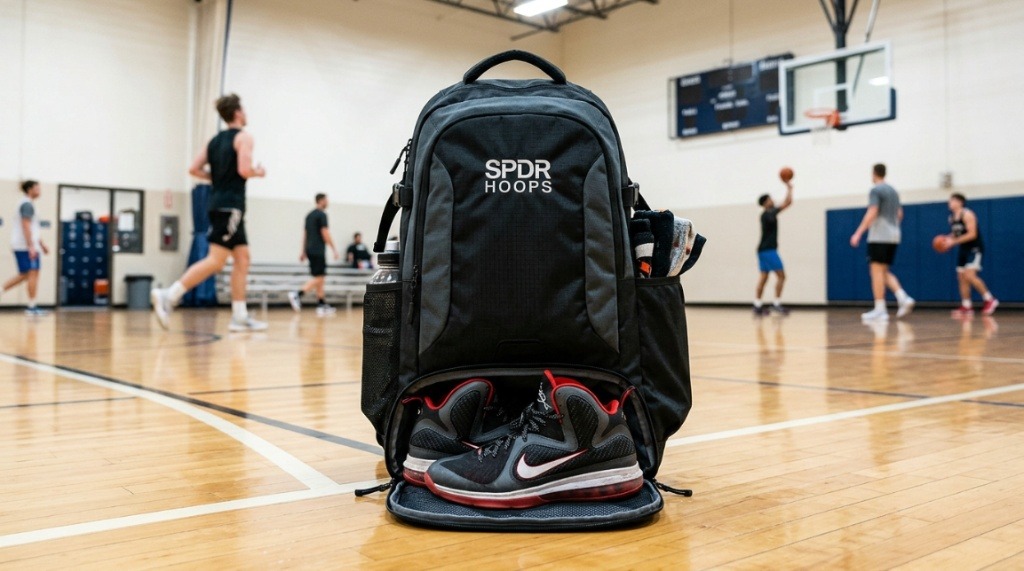
Yes, most specialized basketball backpacks with shoe compartments accommodate up to a US size 15 sneaker, provided the compartment is designed with a gusseted expansion panel. However, you must insert the shoes heel-first and toe-down to utilize the slanted angle of the pocket.
If you find your shoes are too large even for the shoe pocket, you can reverse the process. Remove the insoles and stuff socks inside the shoes to maintain their shape, then use the compression straps on the side of the backpack to secure them externally.
Step-by-Step Guide to Inserting Footwear
First, loosen the compression straps located at the bottom of the backpack. Open the zipper fully. Slide the first shoe in lengthwise, with the toe angled inward. Place the second shoe on top, with the heel facing the opposite direction (interlocking them). Zip up while pressing down gently.
Pros and Cons of Clamshell vs. Front-Loading Shoe Pockets
A clamshell opening (which folds down completely) allows for easier placement of high-top sneakers. A front-loading pocket is quicker but requires more maneuvering. For bulky basketball shoes, always choose the clamshell style for maximum accessibility.
What to Do When Shoes Are Too Dirty for the Compartment
Use a shoe bag or wrap them in a shower cap. If your shoes are caked in mud, knock off the excess dirt outside. Placing them directly into the clean compartment risks ruining the lining and transferring grime to your jersey.
Which Packing Order Prevents Damage to Electronics and Valuables?
The correct packing order is: heavy items at the bottom (shoes), soft items in the middle (clothing), and fragile electronics at the very top or in the designated padded “command center” pocket. This ensures that weight does not bear down on your phone, earphones, or keys.
Do not place your electronics in the same compartment as your basketball. The ball shifts during transit and can easily crack a screen or bend a charging cable.
Using the “Command Center” Pockets Correctly
Most Texas basketball backpacks feature a separate, raised pocket at the top front. This is designed for your phone, keys, and wallet. It sits away from your back, making it accessible without unzipping the main bag. Only use this for hard objects.
Airtight Containers for Toiletries and Liquids
Always use travel-size bottles and place them in a quart-sized, ziplock bag. Even if the bottle leaks, the bag catches the liquid and prevents it from seeping into your electronics. Store this bag in a side mesh pocket, not the main compartment, to isolate the risk.
The “Top-Loading” Rule for Quick Access
Your post-game shower kit (towel, sandals, toiletries) should be the last thing packed. Place it on top of your clothes so you can shower immediately without pulling out your entire uniform. This also allows you to keep your sweaty gear contained until wash time.
Why Is a Dedicated Basketball Pocket Essential for Carry-On? (And Can It Fit?)
A dedicated basketball pocket is essential because it eliminates the need to carry a separate ball bag, freeing your hands and preventing the ball from rolling around the car floor. Most external ball pockets or side sleeves can hold a 29.5-inch men’s regulation basketball securely.
However, if your backpack relies on the main compartment to hold the ball, you lose an immense amount of space—roughly 6 liters. This forces you to compress your clothing and restricts how much gear you can bring.
External Ball Sleeves: Pros and Cons
The side mesh sleeve is external, which means it keeps your clothes clean but exposes the ball to the elements and makes the bag wider. The pro is that you can access the ball without opening your bag. The con is that it makes traversing crowded corridors difficult.
Integrating the Ball with Your Clothes
If you must place the ball inside, deflate it slightly to reduce its volume by 20%. Put the deflated ball in a trash bag and place it in a corner. Reinflate it when you reach the gym. This is a pro-tip for tournament travel, though not ideal for daily use. If you need a robust model that handles this load well, check the features of a Texas basketball backpack to see which offers external sleeves.
When Should You Use Compression Straps vs. External Hooks?
Use compression straps to stabilize the load and reduce the backpack’s profile when you are packing light or traveling. Use external hooks (like daisy chains or bungee cords) when you have exceeded the internal capacity and need to attach a hoodie or a towel externally.
Compression straps pull the sides inward, tightening the load. This stops the gear from shifting and reduces strain on your spine. Hooks are for overflow, but relying on them for a heavy water bottle can tip the backpack over.
Balancing the Load for Spinal Health
Your backpack should weigh no more than 15% of your body weight. If you are carrying a heavy ball and shoes, the load must sit high on your back. Adjust the compression straps at the top to pull the weight upward toward your shoulders.
When to Use the Daisy Chain System
Use the looped webbing on the front to clip on a wet towel, a separate flip-flop bag, or a small med kit. Never hang heavy items like a full water bottle on these loops, as they can tear the stitching under the weight of the harness.
How Do You Organize the Front Pockets for Maximum Utility?
Organize front pockets using a “zoning” system: assign one pocket for drills and accessories, one for hygiene, and one for tech cables. This prevents the “everything falls out” syndrome when you open a jam-packed pocket.
You can fit an incredible amount of gear in these small pockets if you use small organizer pouches or cosmetic bags to group similar items together.
Hanging Organizers for Small Accessories
Use a toiletry bag with a hook to hang on the backpack’s top loop. This allows you to access your earrings, hair ties, and lip balm without digging through your main bag. Keep these in the very front zipper pocket.
Managing Wires and Charging Cables
Wrap cables using velcro ties. Do not use rubber bands as they degrade over time. Store the battery pack and cables in a small hard-shell case to prevent the power button from being pressed accidentally in transit.
Is a Ventilated Shoe Compartment Worth the Additional Cost?
Yes, a ventilated shoe compartment is worth the additional cost because it prevents the growth of odor-causing bacteria and keeps your bag smelling fresh for years. Without ventilation, your shoes create a sealed environment that traps moisture and stench.
Look for compartments with mesh windows or grommets that allow airflow. If your bag lacks this feature, you must remove your shoes immediately after every game to air them out.
The Science of Odor Control in Nylon Bags
Odor molecules embed deeply into the woven fibers of standard nylon. Ventilation permits airflow to dry out the damp fabric, preventing the bacteria from multiplying. A simple mesh panel can reduce odor build-up by 70% compared to sealed vinyl pockets.
DIY Odor Control Solutions
Place dryer sheets or activated charcoal pouches in the shoe compartment. Do not spray perfume directly onto the lining, as the alcohol can break down the water-resistant coating. Baking soda in a sock also works as a natural, non-damaging odor absorber.
Which Extras Should You Carry for a Texas Game Day Emergency?
For Texas emergencies, you should carry an extra pair of socks, a small first aid kit with blister pads, and a rain poncho folded into a tiny pouch. The weather can be unpredictable, swinging from dust storms to flash floods within hours.
You also need a spare change of clothes, not just for hygiene, but for the extreme temperature changes between scorching parking lots and freezing indoor gyms.
The “Just-in-Case” Toiletry Kit
Pack a sample-sized deodorant, a mini tube of toothpaste, and a stick of Body Glide to prevent chafing. These fit in the smallest front pocket and save you from a trip to the concession stand.
Hydration and Snacks
Your backpack should have a side pocket for a 32-ounce insulated water bottle. Texas heat demands hydration. Pack a granola bar or beef jerky in the front pocket; do not put food in the main compartment where it will absorb the shoe odor,If you are planning a sports trip to watch global events live, check out LA28 Olympics Tickets: Registration, Ticket Draw, Prices, Schedule & Hospitality to secure your seats early.
Step-by-Step: The Complete Packing Sequence for 2026
The optimized sequence for 2026 is Shoes → Towel → Bulk Clothes → Electronics/Snacks → Overflow (Strapped externally). Follow this order strictly to balance the weight and ensure no item is crushed.
This sequence prioritizes the heaviest items lowest to the ground, protecting your spine and making the bag easier to carry for extended walks from remote parking lots.
Phase 1: The Bottom Layer
Begin with the shoes in the bottom compartment. Then, place your rolled towel in the main compartment vertically against the back panel. This creates a cushion between your spine and the hard objects in the bag.
Phase 2: The Core Clothing Stack
Place your rolled jerseys and compression shorts vertically into the main compartment. Ensure they are tight against the towel to prevent sagging. Keep your warm-up jacket flat on top of these vertical rolls.
Phase 3: The Utility Top
Place your electronics pouch in the dedicated padded pocket (velcro or zippered). Insert the toiletries bag into the side mesh. Zip up the bag, then attach any wet items to the external bungee cords.
Frequently Asked Questions
Can I wash a Texas basketball backpack in a washing machine?
It is not recommended to machine wash a basketball backpack, as the agitator can break the internal dividers and foam padding. Instead, spot clean with mild soap and water, and use a gentle hose-down for mud.
Why does my backpack smell even with a shoe compartment?
The smell persists if you pack sweaty clothes into the same section as the shoes or if you keep the bag zipped up for long periods. Air it out overnight, and always seal your dirty clothes in a separate waterproof bag.
Is it better to carry a basketball in the backpack or in my hands?
It is better in the backpack if it has a dedicated external pocket, as it keeps your hands free for a water bottle and your phone. If carrying in your hands, you increase the risk of leaving it behind on the court.
How much weight is safe to carry in a basketball backpack?
You should carry no more than 15 to 20 percent of your body weight to avoid postural issues. For a 180-pound player, that means a maximum load of 27 to 36 pounds, which is more than enough for full gear.
Can I fit a 30-inch basketball in a 32-liter backpack?
Yes, if the backpack has a stretchy external sleeve or a standard 32-liter main compartment. A 30-inch ball requires roughly 5 liters of space. Check the specific diameter of your backpack’s opening before pushing it in to avoid stretching out the zipper.
Do these backpacks carry laptops for student-athletes?
Yes, most modern basketball backpacks include a padded laptop sleeve, usually 15 or 17 inches, located inside the main compartment. This allows you to carry your tablet for film study without needing a second bag.
What is the best way to dry the backpack after a rainy game?
Turn the backpack inside out if possible, or leave all zippers open. Place it in a dry, shady spot. Do not use a tumble dryer or direct sunlight, as the heat can melt the waterproof coating and crack the zipper pulls.