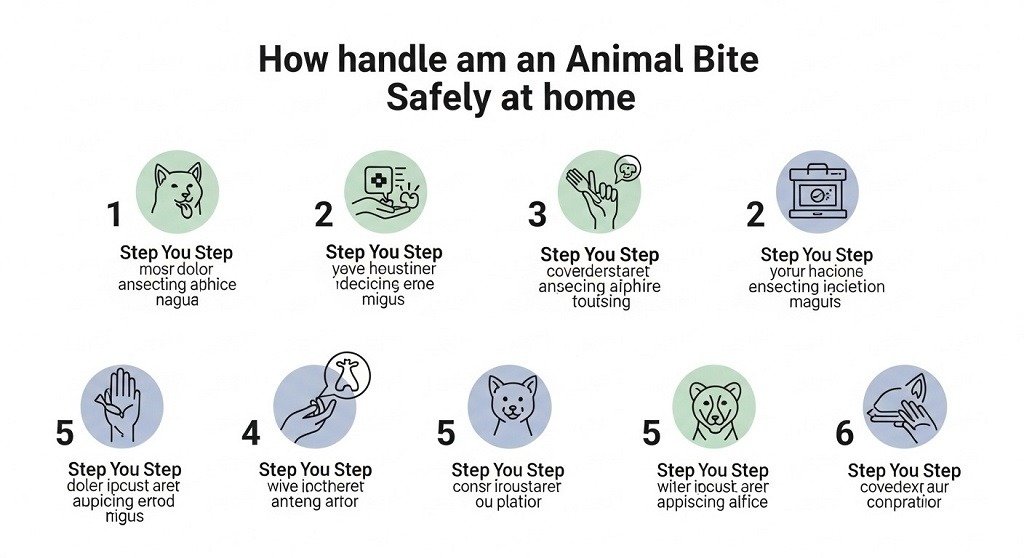
How to handle an animal bite safely at home means taking immediate, correct first-aid steps to reduce infection risk, control bleeding, and protect long-term health before professional medical care is needed.
An animal bite can happen in seconds. A pet dog snaps while eating. A stray cat scratches in panic. A rodent bites while trapped. According to global injury data, animal bites account for millions of emergency visits every year, with dogs responsible for nearly 80% of reported cases worldwide. Many of these bites happen at home or in familiar environments.
The problem is not just the bite itself. The real danger comes from bacteria, viruses, and delayed treatment. Infections such as tetanus, rabies, and serious soft-tissue damage often start with small wounds that people underestimate.
This guide explains exactly how to handle animal bite incidents at home using clear, practical steps. You will learn how to clean an animal bite wound, what mistakes to avoid, when home care is enough, and when medical attention is urgent. The goal is simple. Reduce risk. Act fast. Stay safe.
Why Is an Animal Bite a Serious Health Risk?
Short answer: Animal bites introduce bacteria deep into the skin, which can lead to infection, nerve damage, or disease if not treated properly.
Animal mouths contain hundreds of bacterial strains. Research published in clinical infectious disease studies shows that over 50% of untreated animal bites become infected. Cat bites have an even higher infection rate due to deep puncture wounds.
Beyond bacteria, animal bites can transmit serious diseases:
- Rabies: Almost always fatal once symptoms appear.
- Tetanus: Affects the nervous system if vaccinations are outdated.
- Pasteurella infection: Common in dog and cat bites, causing swelling and pain within 24 hours.
Ignoring a bite or delaying proper cleaning increases risk. That is why knowing how to handle animal bite situations immediately is critical.
What Should You Do Immediately After an Animal Bite?
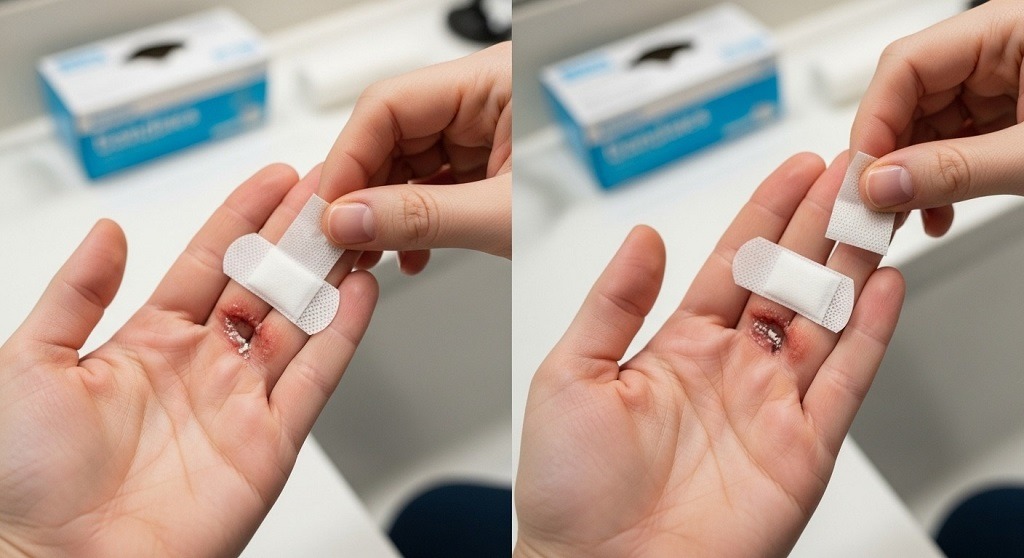
Short answer: Wash the wound with running water and soap, control bleeding, and assess the bite severity.
The first 10 minutes after a bite matter the most. Follow these steps carefully.
Step 1: Ensure Safety
Move away from the animal to prevent further injury. Do not attempt to restrain or punish the animal. Your priority is safety.
Step 2: Wash Your Hands
Before touching the wound, wash your hands with soap and water. This prevents introducing new bacteria.
Step 3: Rinse the Bite Thoroughly
Hold the wound under clean, running water for at least 5 minutes. This flushes out saliva, dirt, and bacteria.
This step is essential in how to clean an animal bite wound correctly.
Step 4: Clean With Mild Soap
Use a gentle soap around the wound area. Avoid harsh chemicals like hydrogen peroxide inside deep wounds, as they can damage tissue.
Step 5: Control Bleeding
Apply gentle pressure with a clean cloth or bandage. Most minor bites stop bleeding within a few minutes.
How to Clean an Animal Bite Wound Properly at Home?
Short answer: Clean with water, mild soap, apply antiseptic, and cover with a sterile dressing.
Cleaning is the most important part of handling an animal bite.
Correct Cleaning Process
- Rinse with running water for 5–10 minutes.
- Wash surrounding skin with soap.
- Pat dry with a clean towel.
- Apply an antiseptic solution like povidone-iodine or chlorhexidine.
- Cover with a sterile, non-stick bandage.
Clinical case reviews show that proper wound cleaning alone reduces infection risk by nearly 60%. Skipping this step or rushing through it is one of the most common mistakes people make when learning how to handle animal bite injuries.
Should You Let an Animal Bite Bleed or Stop It?
Short answer: Let minor wounds bleed briefly, then stop bleeding with pressure.
Light bleeding helps flush bacteria out of the wound. For small bites or scratches, allow bleeding for a few seconds before applying pressure.
However, if bleeding is heavy, continuous, or spurting, stop it immediately and seek medical care. Excessive blood loss is dangerous and cannot be managed at home.
When Is Home Treatment Enough for an Animal Bite?
Short answer: Home care is only suitable for minor, shallow bites from healthy, vaccinated animals.
You may manage the bite at home if:
- The wound is shallow.
- Bleeding is minimal.
- The animal is known and vaccinated.
- No signs of infection appear within 24 hours.
Even in these cases, monitor the wound closely for swelling, redness, warmth, or discharge.
When Should You See a Doctor After an Animal Bite?
Short answer: Seek medical care for deep wounds, unknown animals, or signs of infection.
Immediate medical attention is required if:
- The bite is deep or large.
- The wound is on the face, hand, or joint.
- The animal is stray or wild.
- You have not had a tetanus shot in 5 years.
- Signs of infection appear.
Data from emergency departments show that delayed treatment increases hospitalization rates by over 30% in severe bite cases.
What Are the Signs of Infection After an Animal Bite?
Short answer: Redness, swelling, pain, pus, fever, or red streaks from the wound.
Infection usually develops within 24 to 72 hours. Watch for:
- Increasing pain
- Warmth around the wound
- Pus or foul-smelling discharge
- Fever or chills
If any of these occur, do not rely on home care. Medical treatment is necessary.
Can You Get Rabies From an Animal Bite at Home?
Short answer: Yes, rabies can be transmitted through bites from infected animals.
Rabies causes over 59,000 deaths globally each year. The virus enters through broken skin and attacks the nervous system.
Any bite from a wild animal, stray animal, or unvaccinated pet should be evaluated by a doctor. Post-exposure treatment is highly effective when given early.
Conclusion: How to Handle an Animal Bite the Right Way
Knowing how to handle animal bite situations at home can prevent serious complications. The key steps are simple. Act fast. Clean thoroughly. Monitor closely.
Most minor bites can be managed safely with proper cleaning and care. But never ignore warning signs. Infection, rabies, and nerve damage are real risks when bites are underestimated.
If you are unsure, always choose medical advice over guesswork. Early treatment saves time, money, and health.
Call to Action: Save this guide, share it with your family, and stay prepared. One quick decision can protect your health when an animal bite happens.
Frequently Asked Questions About Handling an Animal Bite
How long should I clean an animal bite wound?
Rinse the wound under running water for at least 5 minutes. Longer cleaning reduces infection risk.
Can I use alcohol or hydrogen peroxide on a bite?
Use antiseptics around the wound, not deep inside. These chemicals can damage tissue.
Is a small animal bite dangerous?
Yes. Even small bites can become infected if not cleaned properly.
Should I cover an animal bite or leave it open?
Cover it with a clean bandage after cleaning. Change the dressing daily.
How soon do infection signs appear?
Most infections develop within 24–72 hours after the bite.
Do all animal bites need antibiotics?
No. Antibiotics are prescribed only when infection risk is high.
Related Topics: Best Budget Rice Cooker in 2025? Toshiba 3-Cup Mini Reviewed
Related Topics: Why Should I Buy Plants Wholesale vs Retail?