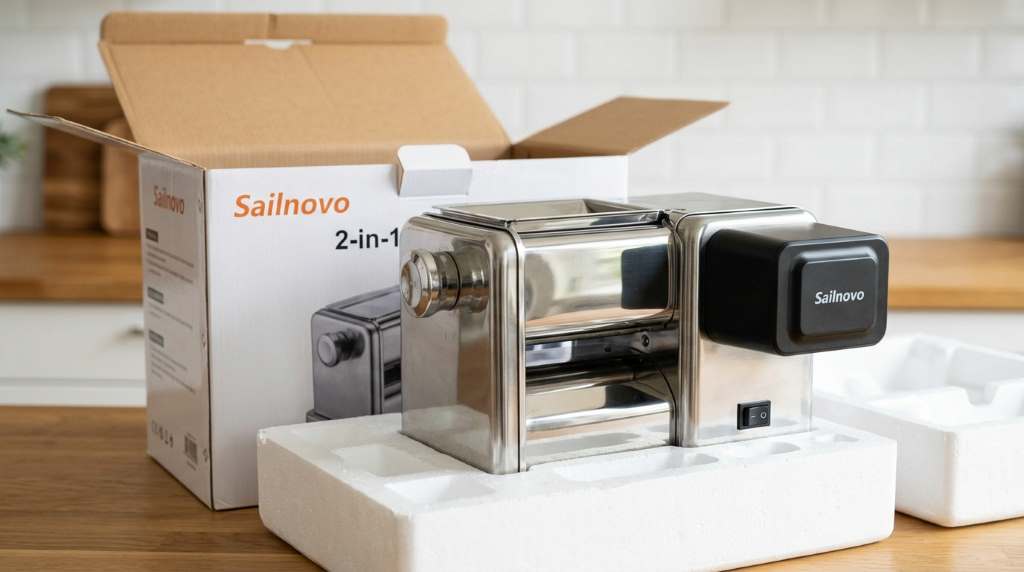
The Sailnovo 2-in-1 can suit beginners, but it is not an electric pasta maker. It uses a hand crank, nine thickness settings, and integrated cutters to make fresh pasta at home.
Fresh pasta remains a serious home-cooking trend, while the global pasta market already exceeds $20 billion. Meanwhile, modern kitchens increasingly favor compact tools that combine multiple functions. If you want an automatic pasta maker, however, Sailnovo may not match your expectations. This review examines its design, performance, limitations, cleaning needs, and overall value.
Key Takeaways
- It is manual: The Sailnovo 2-in-1 uses a hand crank instead of an electric motor.
- It offers flexibility: Nine thickness settings support several pasta-making applications.
- It cuts and rolls: The integrated rollers and cutters reduce the need for separate tools.
- It needs technique: Dough consistency strongly affects rolling, cutting, and sticking.
- It saves counter space: One compact machine handles several basic pasta tasks.
- It suits enthusiasts: Frequent cooks may appreciate its control more than automation.
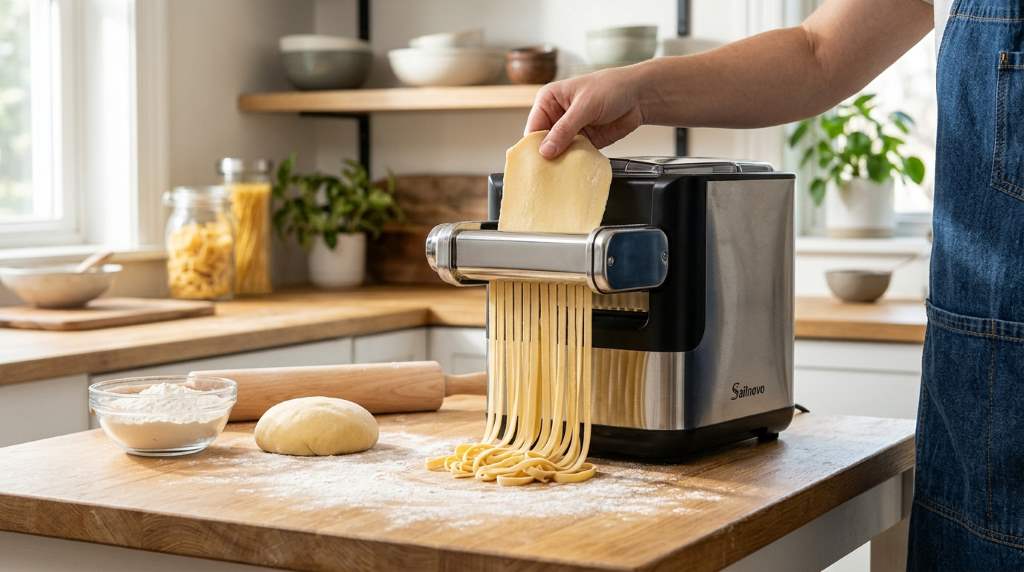
What Exactly Is the Sailnovo 2-in-1 Pasta Maker?
The Sailnovo 2-in-1 is a countertop pasta machine designed for home cooks. Unlike some product descriptions suggest, the standard model operates manually rather than through an electric motor.
That distinction matters because shoppers often search for electric machines expecting automated dough processing. Instead, Sailnovo requires you to feed the dough and turn the crank yourself. Therefore, its main appeal comes from control, simplicity, and affordability rather than hands-free convenience.
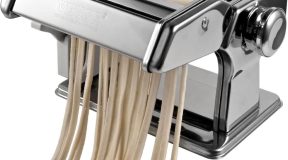
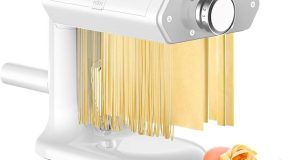
The machine combines dough rolling and noodle cutting in one body. Depending on the selected configuration, it can produce pasta sheets, spaghetti-style noodles, fettuccine, and other thin dough applications.
For kitchens emphasizing practical equipment, this compact approach makes sense. It also pairs naturally with other eco kitchen essentials when you want a functional preparation space without excessive equipment.
Why the Electric Label Creates Confusion
The biggest issue with this product category involves terminology rather than performance. Some online discussions group countertop pasta machines together without clearly separating manual and motorized designs.
Consequently, shoppers can mistake the Sailnovo for an automated appliance. If you specifically want motor-powered extrusion or automated mixing, check the exact model before purchasing. The documented Sailnovo model lists manual operation and no electrical requirement.
Sailnovo 2-in-1 Features That Matter
The Sailnovo focuses on mechanical simplicity instead of electronic controls. Its design typically includes aluminum and stainless-steel components, a hand crank, a table clamp, adjustable rollers, and cutting mechanisms.
Its nine thickness settings provide the most meaningful customization. The documented range reaches approximately 0.3 to 3 millimeters, depending on the model listing.
That range gives home cooks useful control over pasta texture. You can gradually thin dough for delicate sheets instead of relying on one fixed roller position.
Rolling and Cutting in One Machine
The 2-in-1 design combines sheet rolling with noodle cutting. Therefore, you can prepare dough sheets and convert them into narrower noodles without buying separate equipment.
Common applications include spaghetti, fettuccine, lasagna sheets, and dumpling skins. However, the available cutting widths limit the range compared with machines offering numerous interchangeable cutters.
For most household recipes, that limitation remains manageable. Still, serious pasta hobbyists should consider whether they need specialty shapes before buying.
Build Quality and Countertop Stability
The documented Sailnovo model uses aluminum and stainless-steel construction. Its relatively substantial weight also helps the machine remain planted during operation.
However, the clamp deserves attention before your first batch. A loose clamp can make rolling uncomfortable, especially when working with firm dough.
For better stability, attach the machine to a solid countertop with a compatible edge. Then tighten the clamp securely before feeding any dough. The manual specifically recommends checking clamp tightness when the machine becomes unstable.
How Well Does the Sailnovo Actually Perform?
The Sailnovo performs best when you treat dough preparation as part of the machine’s performance. A pasta roller cannot compensate for excessively wet, poorly kneaded, or uneven dough.
Start with a firm, smooth dough that feels pliable without becoming sticky. Then allow sufficient resting time before rolling, because rested dough generally becomes easier to manage.
Begin at the widest roller setting and feed the dough gradually. After each pass, fold or reshape the sheet before reducing the thickness. The manufacturer’s troubleshooting guidance recommends this gradual approach for more even sheets.
What Happens With Sticky Dough?
Sticky dough can quickly turn an easy session into a frustrating cleanup job. Excess moisture encourages dough to cling to rollers and cutters.
Fortunately, the solution remains straightforward in most cases. Reduce moisture, dust the dough lightly with flour, and avoid forcing wet dough through the mechanism.
Do not compensate by dumping large amounts of flour onto every surface. Excess flour can change the dough texture and create unnecessary mess during cooking.
What Happens With Uneven Pasta Sheets?
Uneven sheets usually indicate technique problems rather than a defective machine. Poor kneading, rushed thickness changes, or irregular feeding can produce inconsistent results.
Instead, repeatedly pass the dough through the widest setting first. Fold it between passes until the sheet becomes smooth and uniform, then reduce thickness gradually.
Using the Sailnovo for Different Pasta Styles
The Sailnovo makes the most sense when you want basic pasta styles without investing in a large appliance. Its roller system gives you control over sheet thickness, while its cutters create narrower noodles.
For lasagna, choose a suitable sheet thickness and focus on consistent rolling. For fettuccine, use the wider cutter and separate the strands immediately after cutting.
For spaghetti-style noodles, use the narrower cutter and dust the finished strands lightly. For dumpling wrappers, thin the dough carefully while maintaining enough structure for filling.
Best Uses for Beginners
Beginners can learn several fundamental pasta skills with this machine. The manual operation also makes each stage visible instead of hiding the process behind automated controls.
Start with one simple dough recipe and repeat it several times. Once your dough consistency becomes predictable, experiment with thickness settings and different flour combinations.
That approach produces better results than changing recipes and settings simultaneously. It also helps you identify whether problems originate from dough preparation or machine technique.
Best Uses for Experienced Cooks
Experienced cooks may appreciate the Sailnovo for occasional fresh pasta sessions. Its mechanical design provides direct control without software, programming, or complicated electronic components.
Nevertheless, large batches expose its biggest weakness. Turning a hand crank repeatedly becomes tiring when you prepare pasta for many guests.
In that situation, an electric model can justify its higher price. The convenience becomes more valuable when speed and reduced physical effort matter more than hands-on control.
Cleaning and Maintenance: The Part Buyers Often Miss
Cleaning deserves serious consideration because pasta dough leaves flour and small pieces inside mechanical components. The documented manual advises against washing the machine with water.
Instead, let residual dough dry slightly before removing stubborn pieces. Use a dry brush, cloth, or suitable toothpick to clear accessible crevices.
Never force a sharp object deep into the mechanism. Careful cleaning protects the rollers and cutters while reducing the risk of accidental damage.
Storage matters just as much as cleaning. Keep the machine dry and away from persistent humidity, because moisture can encourage corrosion on susceptible components.
A Simple Post-Pasta Cleaning Routine
Follow this routine after every pasta session:
- First: Remove loose flour and dried dough from accessible surfaces.
- Next: Brush around the rollers and cutters carefully.
- Then: Wipe external surfaces with a dry cloth.
- Finally: Store the machine somewhere dry and protected.
This routine takes little time and prevents small dough particles from accumulating. It also keeps the machine ready for your next pasta session.
Sailnovo 2-in-1 Pros and Cons
A good buying decision requires separating genuine strengths from attractive specifications. Sailnovo has several useful advantages, but its limitations become obvious when you expect automation.
Pros
- Manual simplicity: No electrical connection or complicated controls are required.
- Adjustable thickness: Nine settings provide meaningful control over dough thickness.
- Dual functionality: Rolling and cutting functions occupy one countertop footprint.
- Broad usefulness: The machine supports several familiar pasta and dough applications.
- Hands-on control: Users can adjust feeding speed and dough handling throughout the process.
- Compact concept: The design avoids the footprint of larger automated pasta appliances.
Cons
- No motor: The standard documented model requires manual cranking.
- Physical effort: Large batches can make repetitive cranking tiring.
- Limited cutters: Basic widths cannot replace a full attachment ecosystem.
- Clamp dependence: Countertop compatibility affects operating stability.
- Cleaning restrictions: The machine should not receive routine water washing.
- Technique required: Poor dough preparation can cause sticking or uneven sheets.
Is Sailnovo Better Than an Electric Pasta Maker?
That comparison depends entirely on what you value during pasta preparation. Sailnovo wins when you prioritize simplicity, control, and a traditional hands-on process.
An electric machine wins when convenience, speed, and reduced physical effort dominate your priorities. Automated systems can make more sense for frequent batches or households that dislike manual preparation.
However, automation does not automatically produce better pasta. Dough hydration, flour selection, kneading, resting, and cooking technique still determine much of the final result.
Therefore, choose the machine according to your cooking habits rather than the word “electric” on a product search page. If you already invest heavily in kitchen equipment, your surrounding setup also matters, including commercial kitchen equipment efficiency principles.
Choose Sailnovo If You:
- Enjoy hands-on cooking and traditional preparation.
- Want fresh pasta without buying a large appliance.
- Prefer mechanical controls over electronic interfaces.
- Usually prepare small or moderate pasta batches.
- Want rolling and cutting functions in one machine.
- Do not need automated dough mixing or extrusion.
Consider an Electric Model If You:
- Want motor-assisted pasta preparation.
- Prepare large batches frequently.
- Have limited tolerance for repetitive cranking.
- Prefer automated or semi-automated workflows.
- Want built-in mixing or extrusion capabilities.
- Value convenience more than traditional hands-on preparation.
What Should You Check Before Buying?
First, verify the exact model number and operation type on the retailer’s current listing. Sailnovo products can appear under different listings, specifications, and configurations.
Next, inspect the included cutters and thickness range. A machine may sound versatile while still offering fewer pasta shapes than your recipes require.
Also, measure your countertop before ordering. Stable clamping requires an appropriate edge and enough working space for the crank.
Finally, consider your cleaning habits and storage environment. If you want equipment that tolerates routine water washing, this manual design may require more care than expected.
Your kitchen layout can influence the decision too. For broader workspace planning, reviewing best kitchen flooring options can help when designing a durable cooking area.
Final Verdict: Is the Sailnovo 2-in-1 Right for You?
The Sailnovo 2-in-1 is a sensible choice for home cooks who want affordable, hands-on fresh pasta making. However, calling it an electric pasta maker creates the wrong expectation because the documented model operates manually.
Its nine thickness settings, integrated rolling and cutting functions, and straightforward mechanical design create genuine value. Still, users must accept manual cranking, careful dough preparation, countertop clamping, and dry cleaning.
Ultimately, Sailnovo works best for cooks who enjoy participating in the process. If you want fresh pasta with minimal automation and strong control, it deserves consideration.
On the other hand, choose a genuine electric pasta maker if your priority involves speed, motor assistance, or automated preparation. Before buying, verify the exact model, included accessories, operating method, and current specifications.
Ready to choose? Decide whether you want hands-on control or automated convenience first, then match the pasta maker to your cooking frequency. That simple decision will prevent an expensive mismatch between your expectations and your machine.
Frequently Asked Questions
Is the Sailnovo 2-in-1 pasta maker electric?
No, the documented Sailnovo 2-in-1 model operates manually with a hand crank rather than an electric motor.
How many thickness settings does the Sailnovo have?
The documented model provides nine adjustable thickness settings, with listings showing a range reaching approximately 0.3 to 3 millimeters.
Can the Sailnovo make spaghetti and fettuccine?
Yes, its integrated cutting system supports common noodle styles including spaghetti and fettuccine.
Can you wash the Sailnovo pasta maker with water?
No, the available instructions recommend dry cleaning methods instead of washing the machine with water.
Is the Sailnovo good for beginners?
Yes, beginners can learn pasta-making fundamentals effectively, provided they prepare firm dough and adjust thickness gradually.