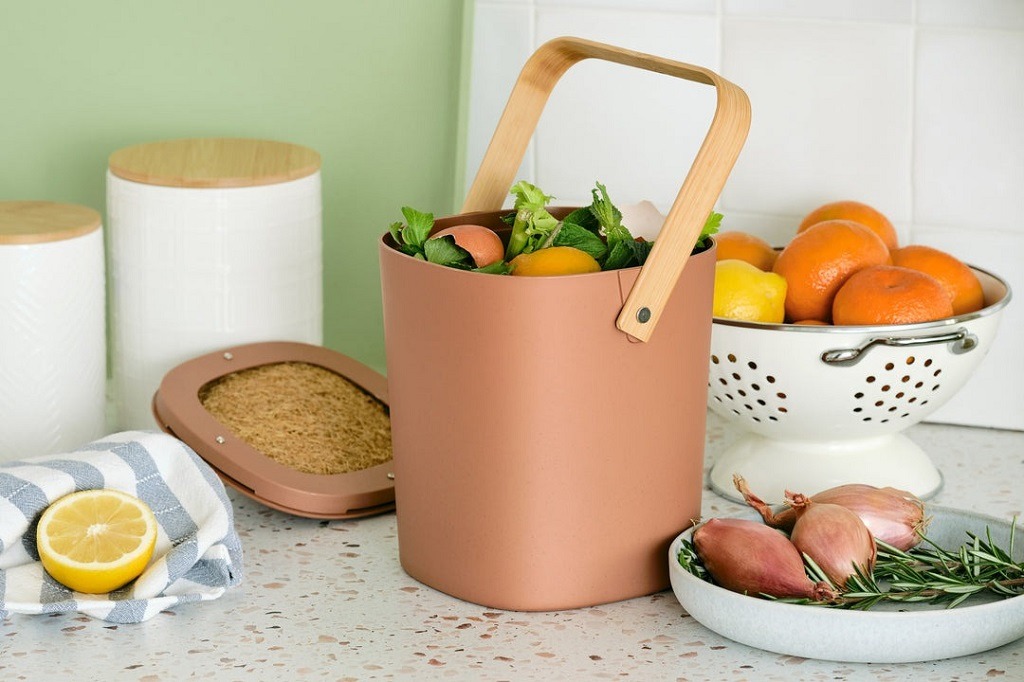
Houston is quickly becoming a hotbed for sustainable eco kitchen essentials living. With the city’s population exceeding 2.3 million, it’s no surprise that more Houstonians are seeking eco-friendly lifestyle changes. A key part of this movement begins in the kitchen—the heart of every home. Among the most impactful yet accessible tools for green living are bamboo utensils and compost bins. These two essentials help reduce plastic use and food waste while promoting sustainable habits at home.
Why Bamboo Utensils Are a Smart Eco Upgrade
Plastic utensils have long dominated kitchens. However, they contribute significantly to landfill buildup. According to the EPA, over 40 million tons of plastic waste were generated in 2021 alone. Most single-use plastic cutlery ends up in oceans and landfills, taking up to 1,000 years to decompose.
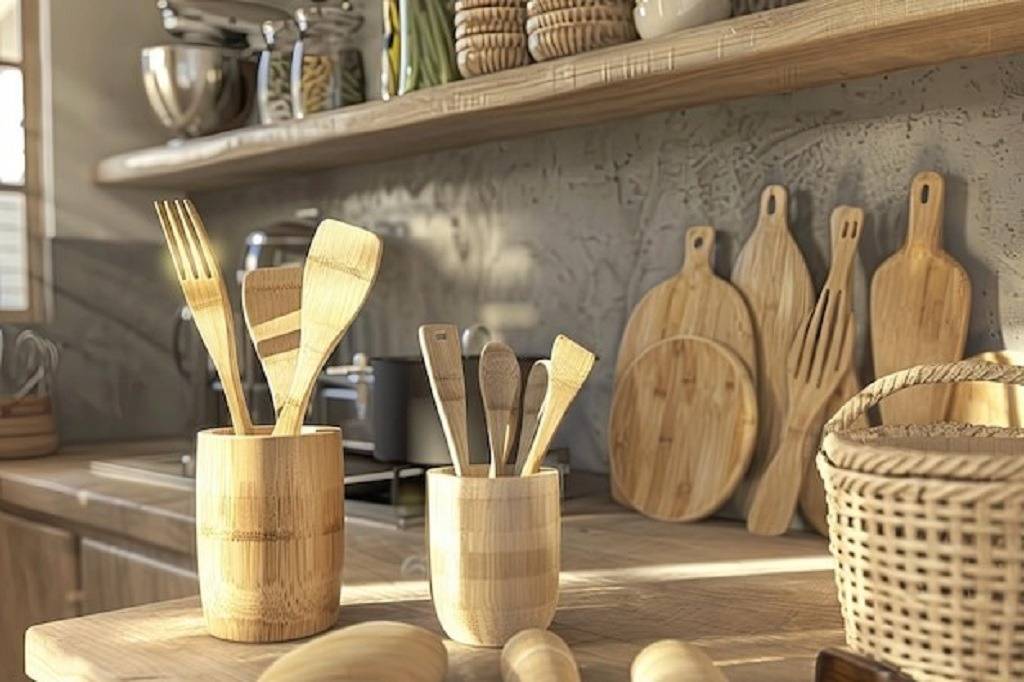
Bamboo utensils, in contrast, offer a powerful alternative. Bamboo is one of the fastest-growing plants on Earth—it can grow up to 3 feet in a single day. Its rapid growth makes it highly renewable and ideal for producing kitchenware. Moreover, bamboo utensils are biodegradable, durable, and naturally antibacterial, which reduces the risk of bacterial contamination in eco kitchen essentials .
From spatulas and spoons to forks and tongs, bamboo tools are heat-resistant and safe for non-stick cookware. They don’t leach chemicals like BPA or phthalates, unlike plastic. More importantly, they’re aesthetically pleasing, often adding a rustic, modern feel to any Houston kitchen.
Local eco-stores like The Refill Station HTX and Zero Market offer handcrafted bamboo sets sourced sustainably. They prioritize fair-trade labor and use minimal packaging, further minimizing environmental impact.
Compost Bins: A Must-Have for Houston Kitchens
While bamboo utensils reduce plastic waste, compost bins tackle another major environmental issue—food waste. According to the USDA, 30–40% of the food supply in the U.S. goes uneaten, much of which ends up in landfills. Food in landfills emits methane, a greenhouse gas over 25 times more potent than CO₂.
Houston residents can take charge by composting at home. Indoor compost bins make it simple to manage food scraps like vegetable peels, coffee grounds, and eggshells. Many models feature charcoal filters to eliminate odors, making them ideal for apartments or homes without yards.
Options like Bokashi bins or worm composters allow for quicker decomposition. For outdoor enthusiasts, traditional backyard bins made from recycled plastic or metal are highly effective. Brands like Vitamix, Bamboozle, and Lomi offer tech-enabled bins that simplify the process and even produce compost in under 24 hours.
Local compost pickup services such as Happy Earth Compost and Zero Waste Houston provide weekly collection, helping residents who don’t have the time or space to compost at home. These services divert hundreds of pounds of organic waste from landfills every year.
Combining Bamboo and Compost: A Sustainable Power Duo
Using bamboo utensils and compost bins together maximizes impact. Instead of throwing away broken or old bamboo tools, you can compost them if they’re untreated and chemical-free. This full-circle approach supports a zero-waste kitchen.
Additionally, compost created from kitchen scraps can nourish your garden soil or potted herbs. This naturally fertilizes plants without chemical additives. Studies show that compost-enriched soil retains water better and supports healthier plant growth.
Houston’s climate—humid subtropical—is perfect for composting. Warm temperatures and abundant rain create ideal conditions for microbial activity, accelerating the breakdown of organic eco kitchen essentials material.
Economic and Environmental Payoffs
Investing in bamboo utensils and compost bins may seem like small steps, but their collective impact is substantial. A family of four can save over 500 plastic utensils a year by switching to reusable bamboo options. Composting can reduce household trash by up to 30%, cutting down the need for weekly garbage pickups.
This can lead to lower utility bills, reduced municipal waste handling, and healthier ecosystems. Houston’s increasing landfill fees and strain on waste facilities make home composting not only eco-conscious but economically smart.
Houston’s Support for Eco Kitchens
Houston has started to encourage more sustainable living through community initiatives. The City of Houston Solid Waste Management Department has launched educational programs on composting and zero-waste living. Public libraries and local nonprofits also host workshops on eco-friendly kitchen practices.
Retailers like Whole Foods, HEB, and Central Market now carry bamboo kitchen tools and eco-friendly bins. Many local chefs have begun showcasing bamboo in their cooking classes and pop-up events, normalizing its use in professional settings.
Opinions From the Community
Environmental advocates praise the accessibility of bamboo and compost bins. According to Sustainable Houston Alliance, over 60% of surveyed residents showed interest in reducing kitchen waste, citing ease of use as a top motivator.
However, some critics argue that bamboo production, if not sourced ethically, can contribute to deforestation and exploitation. Experts recommend looking for FSC-certified or organic bamboo utensils to ensure responsible sourcing.
Compost bins face similar scrutiny—tech-enabled options can be expensive. Yet, DIY solutions using buckets and drill holes are cost-effective and efficient. It all comes down to choosing the method that fits your lifestyle.
FAQs
Are bamboo utensils dishwasher safe?
Yes, but hand-washing extends their life. Dishwashers may cause warping or splitting over time.
Can I compost cooked food scraps?
Most home compost bins aren’t suited for oily or cooked foods. Stick to fruits, veggies, and grains.
Where can I buy bamboo utensils in Houston?
Try local eco-stores like The Refill Station HTX or online retailers with sustainable certifications.
How do I know if bamboo utensils are ethically made?
Look for FSC or organic bamboo certifications. These labels indicate sustainable and ethical practices.
What should I avoid composting?
Avoid meat, dairy, and oily foods in standard bins. These attract pests and slow down decomposition.
Can I use compost in houseplants?
Yes. Compost adds nutrients and improves soil texture, enhancing plant growth naturally.
Is composting messy or smelly?
Not with proper maintenance. Odor-sealing bins and regular stirring keep things clean and odor-free.
Read More Also: Restorative Yoga Poses for Emotional Release and Trauma
Final Thought
Switching to bamboo utensils and using compost bins may seem minor—but their impact is massive. These Houston eco kitchen essentials transform how households interact with their environment. As more Houstonians embrace sustainable living, these small changes pave the way for cleaner communities, reduced waste, and a healthier planet. Whether you’re a beginner or seasoned green enthusiast, now is the time to join the movement. Sustainable kitchens start with conscious choices—start with yours today.