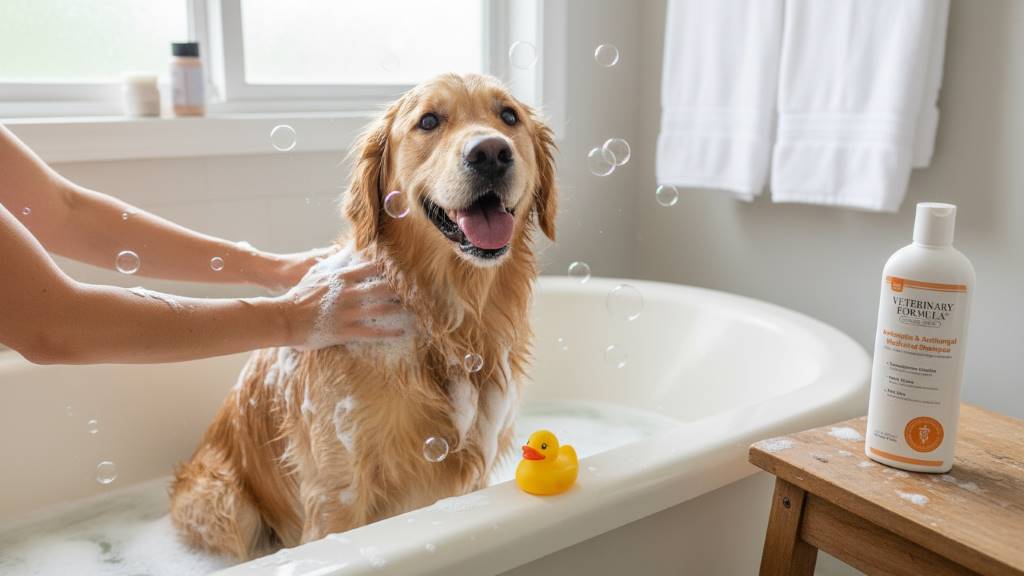
Picture your furry friend scratching endlessly, looking miserable with red, irritated skin. Many dog owners face this heartbreaking scene. Itchy skin and allergies plague countless pups, turning playtime into discomfort. Fortunately, the right medicated shampoo offers real relief. These products soothe inflammation, fight infections, and restore comfort. For effective itchy dog skin relief, start with a vet-recommended option. According to a 2024 study in PMC, canine atopic dermatitis affects 3 to 15 percent of dogs worldwide. Additionally, a 2025 Elanco report reveals nearly nine in 10 U.S. dogs experience itchiness at some point. This article guides you through the best choices, helping your dog feel better fast.
Dogs suffer from itchy skin for various reasons. Allergies top the list, but infections and parasites play roles too. Medicated shampoos target these issues directly. They clean deeply while providing healing benefits. You want something safe and effective. This piece covers causes, ingredients, top picks, and tips. By the end, you gain tools to ease your dog’s woes.
Understanding Itchy Skin in Dogs
Itchy skin disrupts a dog’s life. Owners notice constant scratching or biting. This condition, known as pruritus, signals underlying problems. Vets see it often in clinics. First, recognize the signs early. Then, address the root cause. Medicated shampoos help, but knowledge empowers better care.
Skin acts as a barrier for dogs. When compromised, irritation follows. Allergens penetrate, sparking reactions. Infections thrive in weakened areas. Parasites burrow or bite. Environmental factors worsen matters. For instance, pollen triggers seasonal flares. Food sensitivities cause year-round issues. Understanding these helps in choosing treatments.
Research shows allergies affect many breeds. Smaller dogs like terriers face higher risks. Larger ones, such as labs, deal with it too. However, any pup can develop symptoms. Genetics play a part. So do living conditions. Urban dogs encounter more pollutants. Rural ones face different allergens. Consequently, tailored approaches work best.
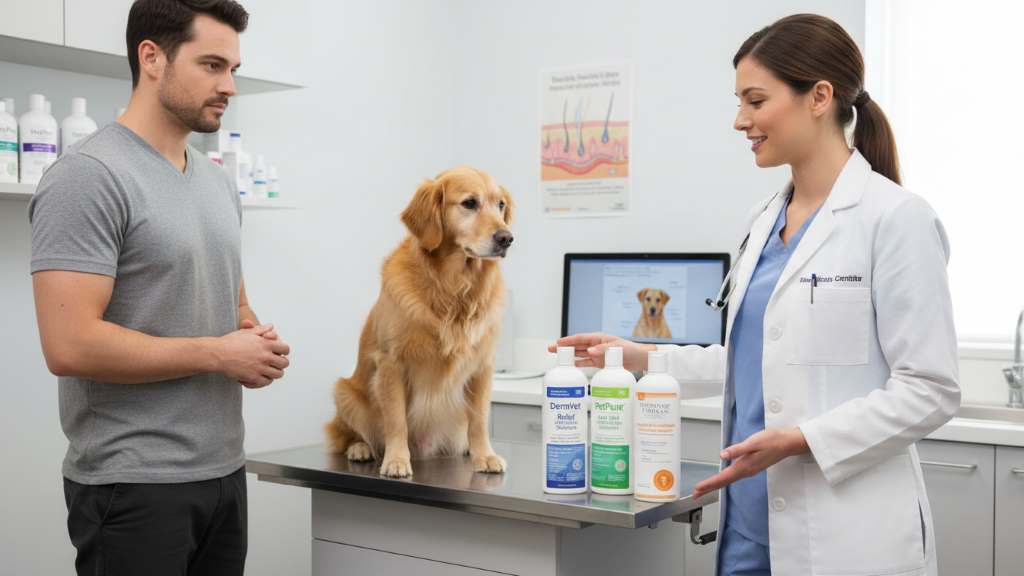
Symptoms vary but include redness and flaking. Dogs lick paws excessively. They rub against furniture. Bald patches appear from over-scratching. Odor signals secondary infections. Watch for these cues. Early intervention prevents complications. Therefore, consult vets promptly.
Common Causes of Itchy Skin
Allergies lead the pack in causing itch. Environmental types, like pollen or dust, affect many. Food allergies, though rarer, trigger skin issues. A 2018 Banfield report notes food allergies impact only 0.2 percent of dogs. Yet, they cause intense discomfort. Flea bites spark allergic reactions too. Even one flea bites repeatedly.
Infections follow closely. Bacterial ones arise from scratches. Yeast overgrowth loves moist areas. Fungal problems, like ringworm, spread easily. Parasites beyond fleas include mites. Sarcoptic mange burrows deep. Demodectic mites affect puppies more. Both cause severe itching.
Dry skin stems from low humidity. Frequent baths strip oils. Poor diet lacks essential fatty acids. Hormonal imbalances, like hypothyroidism, dry out skin. Contact irritants, such as harsh cleaners, inflame. Additionally, stress weakens immunity, worsening symptoms.
Seasonal changes influence itch levels. Spring brings pollen highs. Winter dries air indoors. Transitions challenge sensitive dogs. Moreover, age factors in. Puppies explore, picking up irritants. Seniors have thinner skin. Thus, causes interconnect.
Symptoms to Watch For
Redness appears first in many cases. Skin looks inflamed and hot. Dogs scratch vigorously. They chew feet or flanks. Hair loss follows from trauma. Scabs form over wounds. Odor hints at infection.
Behavioral changes signal distress. Dogs grow restless. They avoid touch. Sleep suffers from discomfort. Appetite drops sometimes. Excessive licking creates hot spots. These raw areas worsen quickly.
Ears and paws often show issues. Dogs shake heads if ears itch. Paws turn red between toes. Belly and groin areas redden too. Watch for patterns. For example, seasonal flares suggest environmental allergies. Year-round issues point to food or mites.
Secondary problems arise untreated. Infections spread. Wounds invite bacteria. Chronic itch leads to thickened skin. Consequently, quality of life dips. Owners feel helpless. But spotting symptoms early allows quick action.
Benefits of Medicated Dog Shampoos
Medicated shampoos transform itchy dogs’ lives. They target specific issues unlike regular ones. Active ingredients fight infections. Soothing agents calm irritation. Regular use maintains healthy skin.
First, they remove allergens. Pollen and dust wash away. This breaks the itch cycle. Additionally, they moisturize dry areas. Hydrated skin resists cracking. Healing promotes faster recovery.
Antibacterial formulas kill harmful microbes. Antifungal ones tackle yeast. Anti-inflammatory components reduce swelling. Therefore, symptoms ease quickly. Dogs scratch less. Owners notice happier pets.
These shampoos support overall skin health. They balance pH levels. Natural barriers strengthen. With consistent application, flare-ups decrease. Moreover, they complement other treatments. Vets often prescribe them alongside meds.
Stories from owners highlight benefits. One lab mix scratched nonstop. After medicated baths, relief came fast. Fur grew back shiny. Playfulness returned. Such tales inspire hope. Thus, these products prove invaluable.
Key Ingredients to Look For in Medicated Shampoos
Ingredients make or break a shampoo’s effectiveness. Chlorhexidine fights bacteria broadly. It cleans without harshness. Ketoconazole targets fungi and yeast. Together, they handle infections well.
Colloidal oatmeal soothes naturally. It locks in moisture. Aloe vera cools inflamed skin. Essential oils like tea tree add antiseptic power. However, check for sensitivities.
Pramoxine numbs itch temporarily. This allows healing time. Hydrocortisone reduces inflammation. But use sparingly under vet guidance. Omega fatty acids nourish from within.
Avoid harsh chemicals. Sulfates irritate further. Parabens raise concerns. Opt for hypoallergenic formulas. They minimize reactions. Consequently, safe choices yield better results.
Research backs these ingredients. Studies show chlorhexidine reduces bacterial loads. Oatmeal calms atopic skin. Therefore, informed selections help dogs thrive.
Natural vs. Synthetic Ingredients
Natural options appeal to many. They use plant extracts. For example, lavender calms. Coconut oil moisturizes. These gentle choices suit sensitive pups.
Synthetic ones offer targeted action. They penetrate deeper. Stability ensures consistent results. Vets favor them for severe cases. However, blends combine best of both.
Consider your dog’s needs. Mild itch? Go natural. Infections? Synthetic helps. Always patch test. Monitor reactions. Thus, balance guides choices.
Top Medicated Dog Shampoos for Itchy Skin and Allergies
Selecting the best medicated dog shampoo involves research. Focus on proven products. They address allergies and itch effectively. Below, find top recommendations. Each suits different needs.
Veterinary Formula Clinical Care stands out. It tackles hot spots and itch. Active agents soothe while cleaning. Dogs with allergies benefit greatly. Users report quick relief.
Virbac KetoChlor excels in antifungal action. It combines ketoconazole and chlorhexidine. This duo fights infections. Skin irritation drops. Ideal for yeast issues.
4-Legger Natural Shampoo uses organic ingredients. Lemongrass and aloe condition skin. It moisturizes red, itchy areas. Allergy-prone dogs respond well.
Elanco Relief Shampoo includes pramoxine. Colloidal oatmeal adds soothing power. It relieves allergies fast. Gentle formula suits frequent use.
Vetnique Dermabliss offers medicated strength. Chlorhexidine and ketoconazole work together. Aloe vera heals. Perfect for skin allergies.
TropiClean OxyMed provides medicated relief. It eases flaking and seborrhea. Oxygenated formula cleans deeply. Itch reduces noticeably.
Vetericyn FoamCare foams for easy application. It heals dermatitis and hot spots. Non-irritating for sensitive skin.
These shampoos vary in focus. Some emphasize moisture. Others fight microbes. Choose based on symptoms. Always follow labels.
Related:
How to Tell if Your Dog Has a Fever
The Benefits of Using a Reflective Dog Leash for Your Canine Friend
Reviews and User Experiences
Owners share positive stories. One user tried Veterinary Formula. Their bulldog stopped scratching. Skin cleared in weeks. Happiness returned.
Another praised Virbac KetoChlor. Yeast infections vanished. Odor gone. Dog played freely. Relief brought joy.
4-Legger impressed with natural scent. Allergies eased. Fur softened. Eco-friendly appeal added bonus.
Elanco helped a golden retriever. Seasonal itch faded. Baths became enjoyable. Bond strengthened.
Vetnique worked for mixed breed. Hot spots healed. No more biting. Comfort restored.
TropiClean suited active pup. Flaking stopped. Energy boosted. Adventures resumed.
Vetericyn’s foam eased application. Senior dog relaxed. Healing progressed smoothly.
These tales show real impact. However, results vary. Consult vets for personalization.
How to Choose the Right Medicated Shampoo
Choosing demands thought. Start with vet advice. They diagnose accurately. Then, match to condition.
Consider breed and size. Small dogs need gentle formulas. Large ones handle stronger ones. Age matters too. Puppies require mild options.
Read labels carefully. Check active ingredients. Avoid allergens. Look for vet approvals.
Think about frequency. Some suit weekly use. Others for acute flares. Scent preferences count. Natural ones smell fresh.
Test small areas first. Watch for reactions. Adjust as needed. Therefore, patience pays off.
Research brands. Reputable ones use quality sources. Reviews guide decisions. Consequently, informed picks succeed.
Factors to Consider Based on Dog’s Breed and Age
Breeds differ in skin needs. Bulldogs have folds prone to infection. Shampoos must reach deep.
Labs swim often. Water-resistant formulas help. Terriers face allergies. Hypoallergenic choices soothe.
Puppies grow fast. Gentle ingredients prevent irritation. Seniors have thin skin. Moisturizing agents protect.
Adjust for life stages. Active adults need durable relief. Calm seniors prefer soothing baths.
Thus, customization enhances effectiveness.
Proper Application Techniques for Medicated Shampoos
Application maximizes benefits. Wet fur thoroughly first. Warm water opens pores.
Apply shampoo evenly. Massage gently. Focus on itchy spots. Let sit for minutes. This allows absorption.
Rinse completely. Residue irritates. Dry with towel. Avoid blow dryers if possible.
Frequency varies. Vets suggest twice weekly initially. Then, taper down. Monitor progress.
Combine with brushing. It removes debris. Enhances circulation. Therefore, routines build health.
Stories illustrate success. One owner followed steps. Dog’s itch vanished. Coat shone. Consistency mattered.
Step-by-Step Bathing Guide
Gather supplies beforehand. Shampoo, towels, treats ready.
Brush fur to remove mats. This prevents tangles.
Wet dog from neck down. Avoid eyes.
Lather shampoo. Work in sections.
Massage for five minutes. Sing to calm.
Rinse top to bottom. Check for suds.
Towel dry gently. Reward with play.
Air dry or low heat. Praise throughout.
Repeat as directed. Track improvements.
This method ensures thorough care.
Complementary Treatments for Itchy Skin
Shampoos work best with others. Diet changes help. Omega-rich foods reduce inflammation.
Supplements like fish oil boost skin health. Probiotics balance gut, aiding immunity.
Environmental controls matter. Vacuum often. Wash bedding weekly. Reduce allergens.
Flea prevention stops bites. Topical meds protect.
Holistic options include acupuncture. It relieves chronic itch.
Vets combine approaches. For example, meds plus shampoos speed recovery.
Owners report better outcomes. Integrated care transforms lives.
Home Remedies and Natural Alternatives
Oatmeal baths soothe mildly. Grind oats, mix with water.
Coconut oil moisturizes. Apply sparingly.
Apple cider vinegar rinses balance pH. Dilute properly.
Herbal teas like chamomile calm. Brew, cool, rinse.
These complement medicated ones. However, consult vets first.
Natural paths appeal. They feel gentle. Yet, monitor effects.
When to See a Vet for Your Dog’s Itchy Skin
Persistent itch warrants visits. If home care fails, seek help.
Sudden worsening signals issues. Infections spread fast.
Behavioral shifts like lethargy concern. They indicate systemic problems.
Vets diagnose accurately. Tests identify causes.
Early visits prevent scars. Chronic cases harden skin.
Therefore, proactive care saves trouble.
Stories underscore importance. One delay led to infection. Vet intervention healed.
Prompt action restores comfort.
Conclusion
Itchy skin and allergies challenge dogs and owners. Understanding causes guides solutions. Medicated shampoos offer targeted relief. Key ingredients like chlorhexidine and oatmeal work wonders. Top products such as Veterinary Formula and Virbac stand out. Choose based on needs, apply correctly, and complement with diet tweaks. Always watch symptoms. With these steps, your dog enjoys itch-free days. Take action today. Schedule a vet check and pick a suitable shampoo. Your pup deserves comfort.
FAQs
What Causes Itchy Skin in Dogs?
Allergies, parasites, and infections top causes. Environmental factors like pollen trigger reactions. Food sensitivities add to woes. Vets pinpoint exact issues through exams.
How Often Should I Bathe My Dog with Medicated Shampoo?
Start twice weekly for flares. Then, reduce to maintenance. Follow vet advice. Over-bathing dries skin.
Can Medicated Shampoos Cure Allergies?
They manage symptoms effectively. But cures depend on causes. Combined treatments work best.
Are Natural Shampoos as Effective as Medicated Ones?
Natural ones soothe mild cases. Medicated tackle infections. Blend both for optimal results.
What If My Dog Still Itches After Using Shampoo?
Reevaluate with vet. Adjust formula or add therapies. Persistence pays in finding relief.
References